
Whilst tv programmes, articles and radio broadcasts are highlighting the plight of our seas and our obsession with plastic and waste, campaigns abound highlighting the use of straws and microplastics in beauty and cleaning products, there’s one other easy way to drastically reduce our contribution to needless plastic waste and other forms of pollution and whilst saving money.
It was 8 years ago when I first started to look at this issue. I was initially struck by the plastic packaging that menstrual products come in, the chemicals used to produce them, from the plastic production itself and from the harmful chemicals used to produce inorganic cotton – harming and exploiting both the environment and workers (1. 2.), and that 90% of the finished product of a menstrual pad itself is made of oil-based, non-biodegradable plastic (3).
According to Friends of the Earth, 1.5-2bn menstrual products are flushed down Britain’s toilets alone, pushing their environmental impacts further by creating unnecessary stress on water systems and the energy they rely on to process and clean water supplies.
Washable Menstrual Pads
I first switched to washable pads, made with organic cotton by an independent maker in the UK. For around £35 (8 years ago) I had myself a pack to last each period. They worked well, initially feeling bulky, I soon got used to them and got over the paranoia that they would be seen under my clothes. I got used to cleaning and presoaking before washing in the washing machine. I used these for the next 4 years. They were made by a friendly one-woman business called Moon Rabbits. However, she no longer seems to be making them but there are lots of others to be found by independent crafters on Etsy and bigger companies too. If you’re feeling crafty yourself, you could even make some of your own, a quick internet search reveals a plethora of methods and sewing patterns.
Menstrual Cups
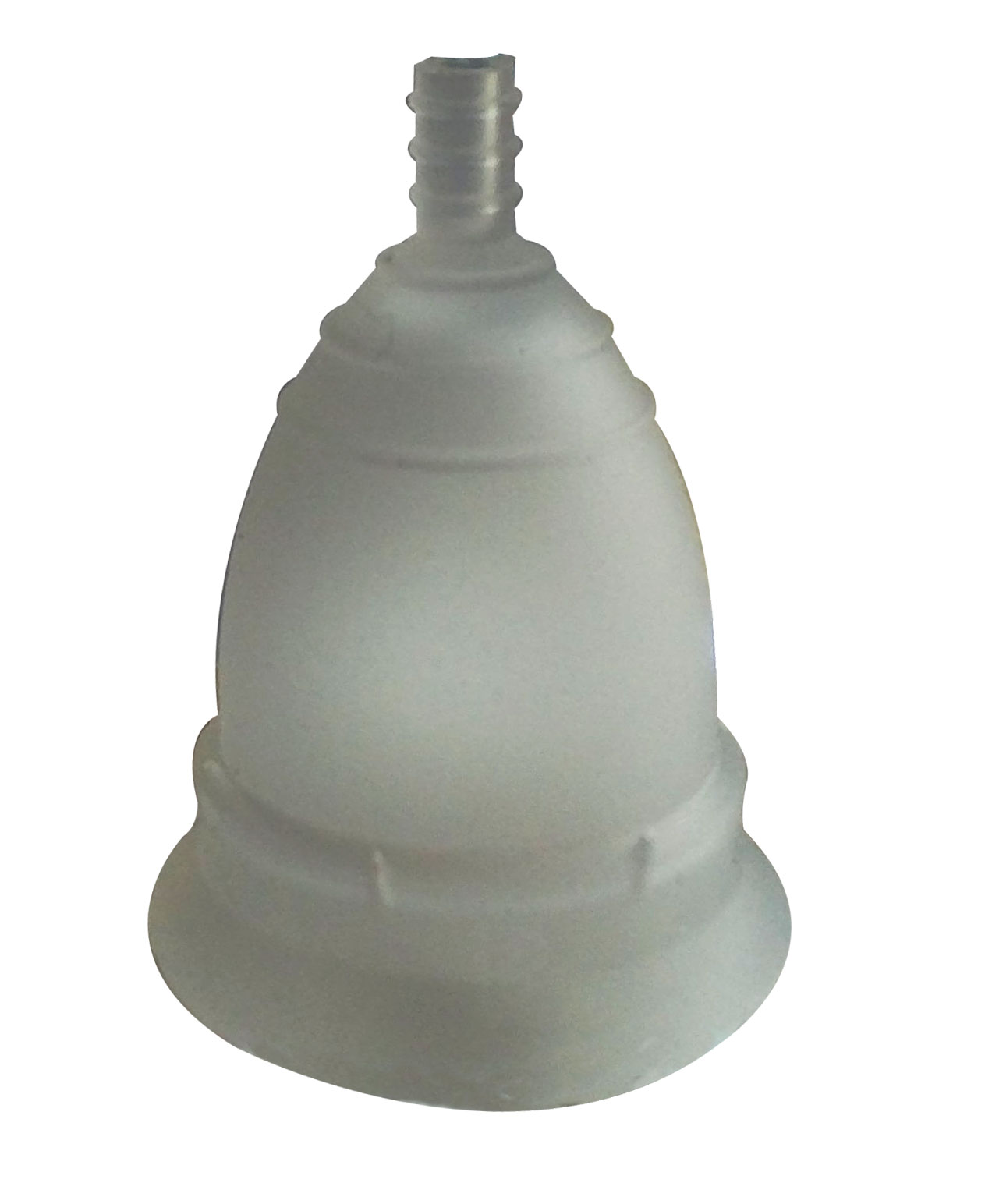
In 2015 my living situation changed drastically – I was accepted onto a placement in Malta and Sicily, volunteering for 11 months doing environmental conservation. This would involve living with new people and sharing a room, it didn’t quite seem the right introduction to have menstrual pads soaking in the flat. This gave me the impetus to look again at menstrual cups. I had been put off these with the usual fears of leakage, pain, mess etc.
Luckily, one of my fellow volunteers (and now a very good friend) happened to use one so we had a very reassuring and open chat and she laid all these fears to rest. So I ordered a cup from UK brand Mooncup.
My first day’s experience with the cup was dreadful. I couldn’t get the position right, I could feel it, I didn’t know if I’d cut the stem too short, or was it still too long?! It felt so awkward, I wondered if I could cope, but I knew I wanted to persevere, especially as I’d read similar stories of initial discomfort. I did some breathing, calmed down and tried again later that day, taking the time to relax. This helped and I found the right position by practising as well as finding the best way for me to insert the cup as there are a few options detailed on the instructions.
Since that day I haven’t looked back, it’s comfortable every time, it feels cleaner, I feel more comfortable doing sports and activities (namely yoga, running, tae kwon do) compared to alternatives, and I even forget it’s in there sometimes.
Is it really worth the switch and hassle?
There are so many reasons to switch, reducing plastic waste, hygiene, avoiding harmful chemical exposure and absorption through tampons. It’s also, very simply, cheaper. My cup cost £20 3 years ago, with proper care (boiling for a few minutes to sterilise after a cycle) it will last longer. According to Bloody Good Period periods come with an average lifetime price tag of £4800 or €5485 (4). By replacing disposable products with a cup, for example, even if that was replaced once a year (they’ll generally last much longer), assuming an average of 39 years of menstruation, this would be reduced to around £780 or €1,131 based on average cup prices in Ireland and the UK.
Apart from the environmental, personal health, convenience and financial reasons, some of the biggest brands and makers of readily available disposable products are owned by parent companies who are known for testing on animals such as Procter & Gamble (Tampax, Always) and Johnson & Johnson (Carefree).
Okay, so where on earth do I buy them?
Things have progressed so much in the last 8 years – when I first bought reusable pads. Cups are readily available from natural health shops and chain pharmacies, and reusable menstruale pads are a click away. Other solutions such as ‘period pants’ are available too, having no personal experience with them I have chosen not to include them in my writing. The following lists are not exhaustive.
Menstrual Cups in Ireland
Reusable Menstrual Pads
References
1. https://www.bbc.com/news/world-asia-16639391
2. https://organiccotton.org/oc/Cotton-general/Impact-of-cotton/Risk-of-cotton-processing.php
3. https://friendsoftheearth.uk/plastics/plastic-periods-menstrual-products-and-plastic-pollution
 The Greedy Herbivore