
26th – 30th December 2022
Where we stayed:
Castle Peak Hotel
F. Cabahug St, Cebu City, 6000 Cebu
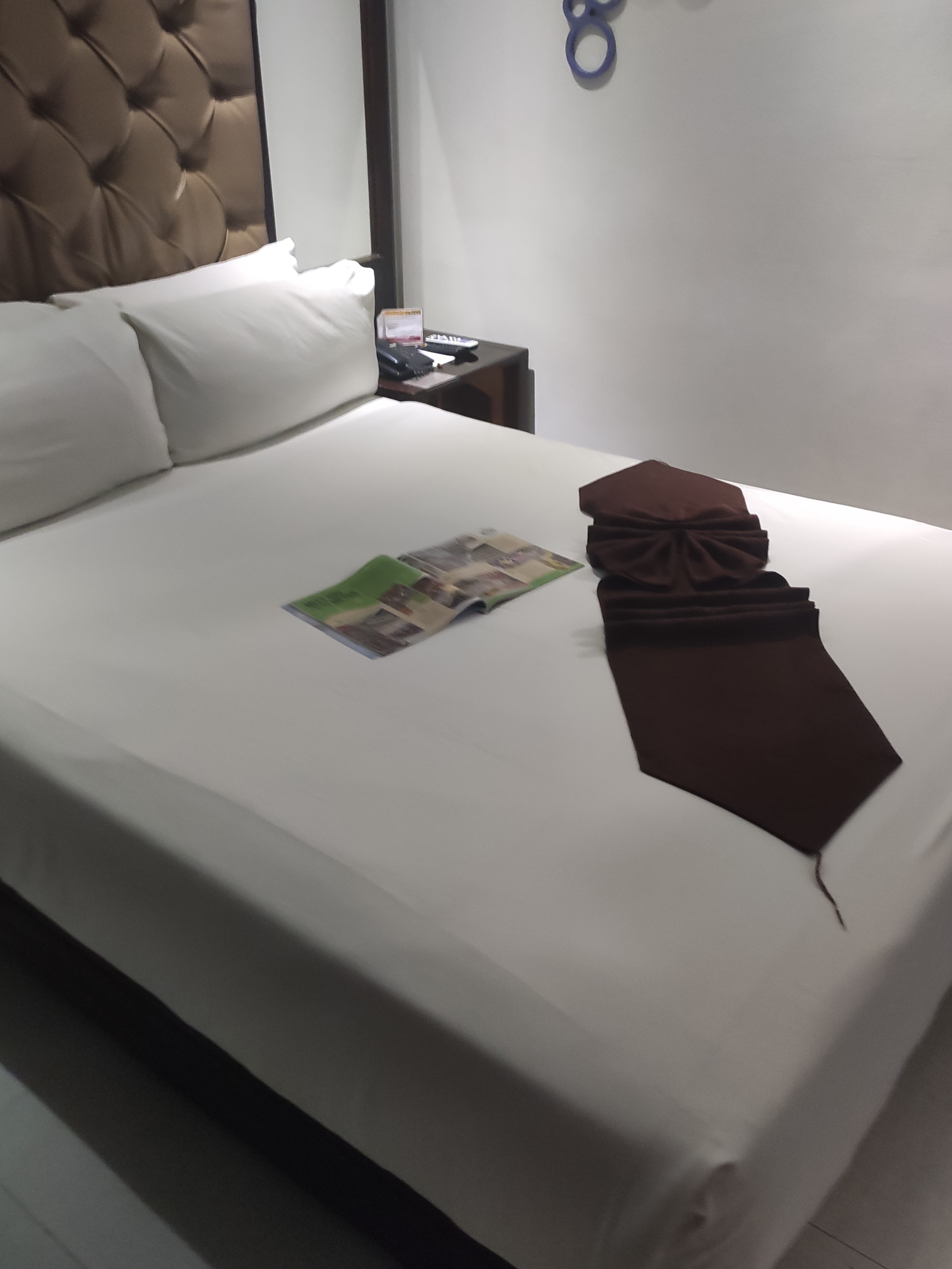
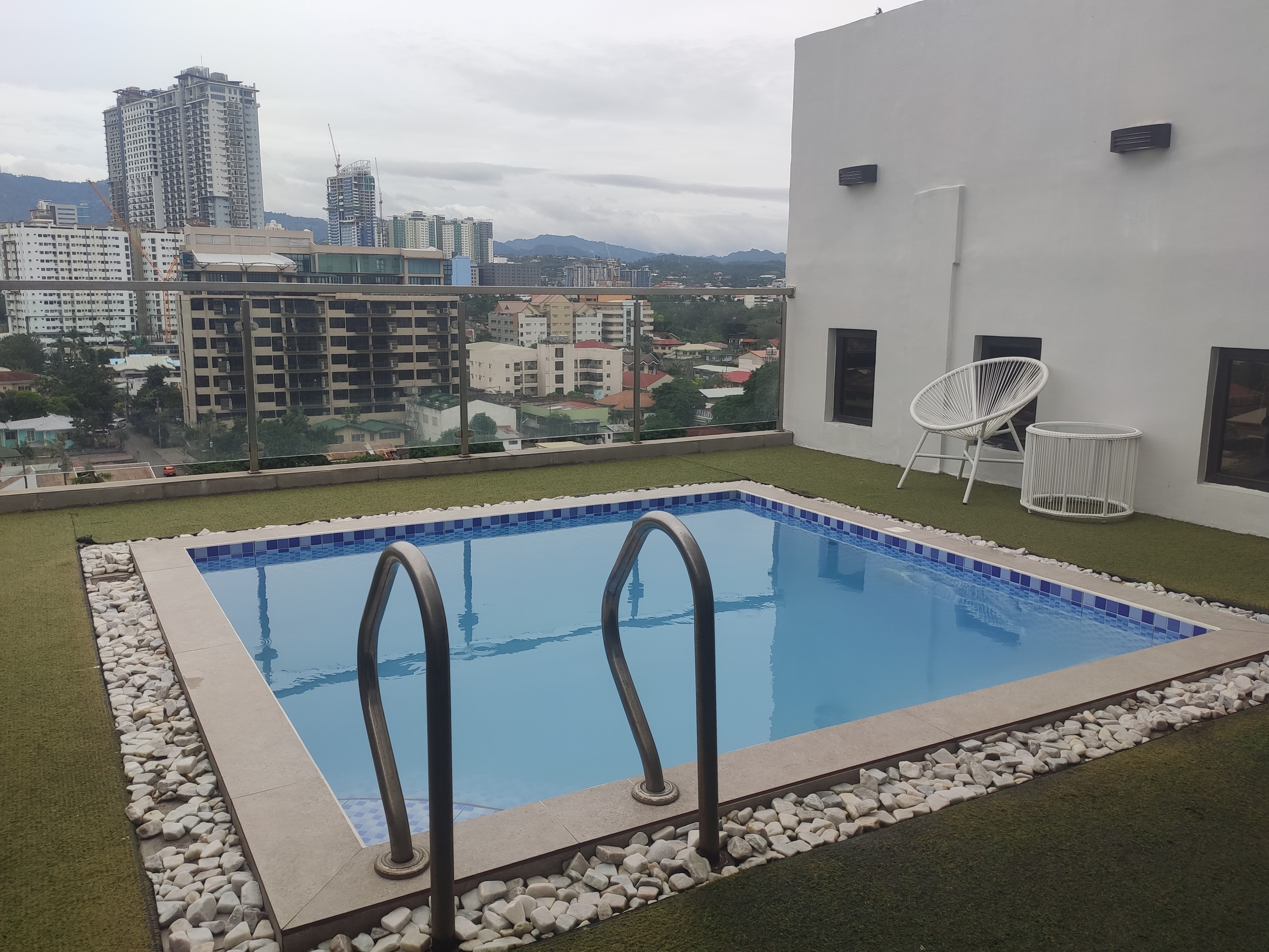
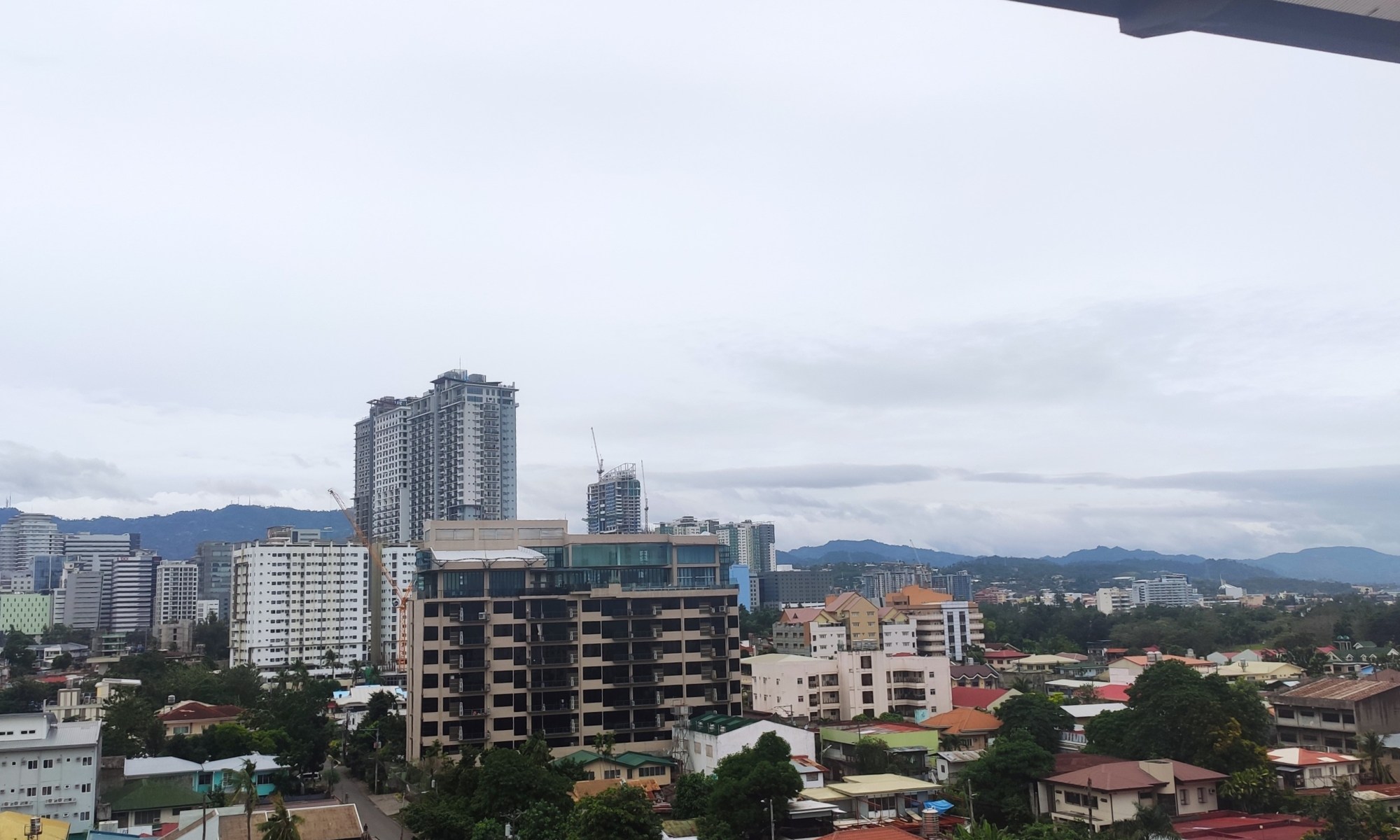
Castle Peak was a bit out of the way of the main areas of the city, but within walking distance of a few places such as Ayala Mall. There was also a handy laundry place and small shop too. The first room we were in didn’t have a window but as soon as I moved to ask they found us a room with one and we moved. The hotel was clean, and had a nice massage facilities and a small pool on the rooftop too.
As mentioned in my previous post, we were a bit unlucky and spent three days in bed with food poisoning, luckily, we managed to fit a lot of sightseeing in, in our first day there.
Magellan’s Cross
P. Burgos St, Cebu City, Cebu
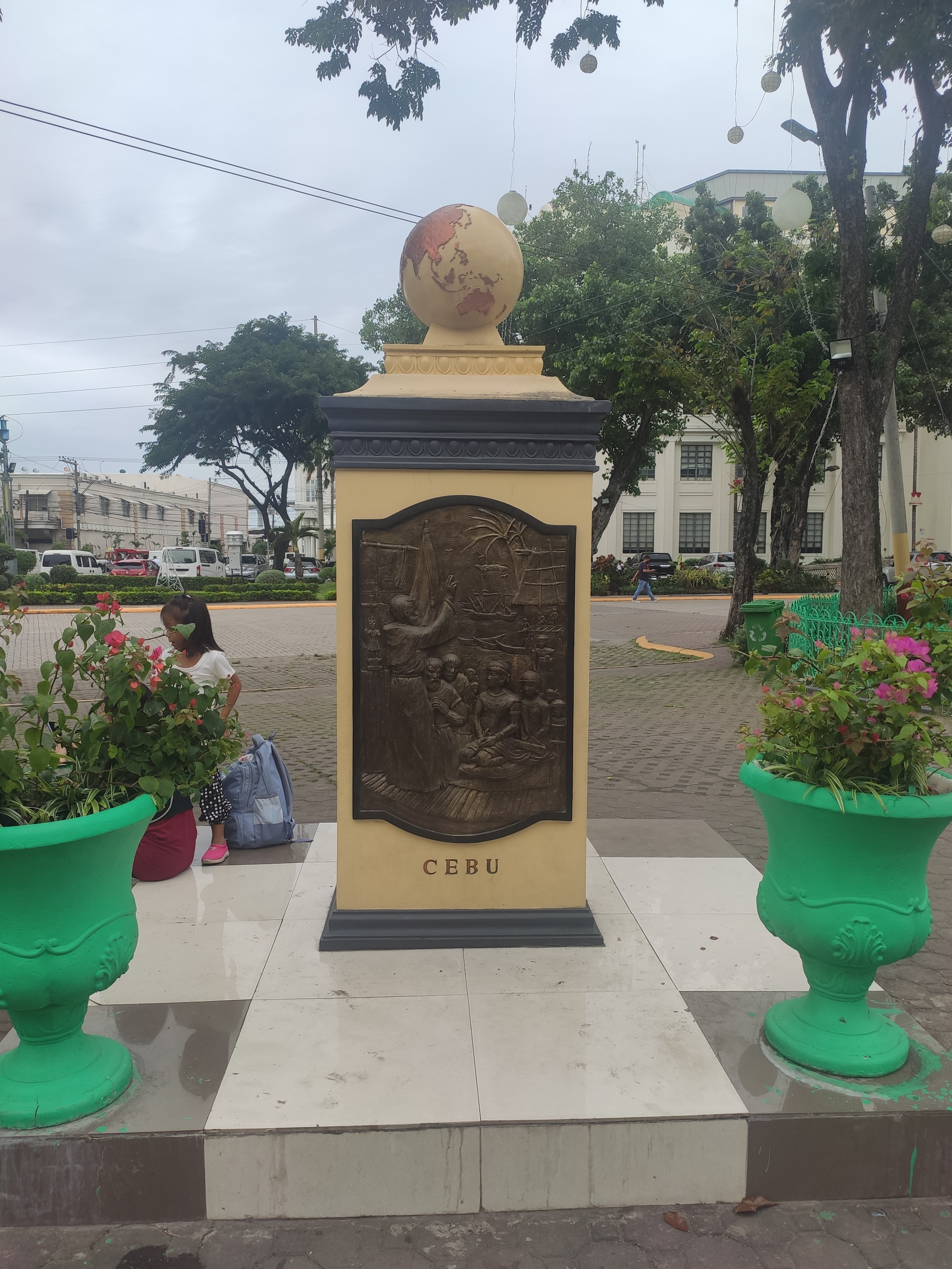
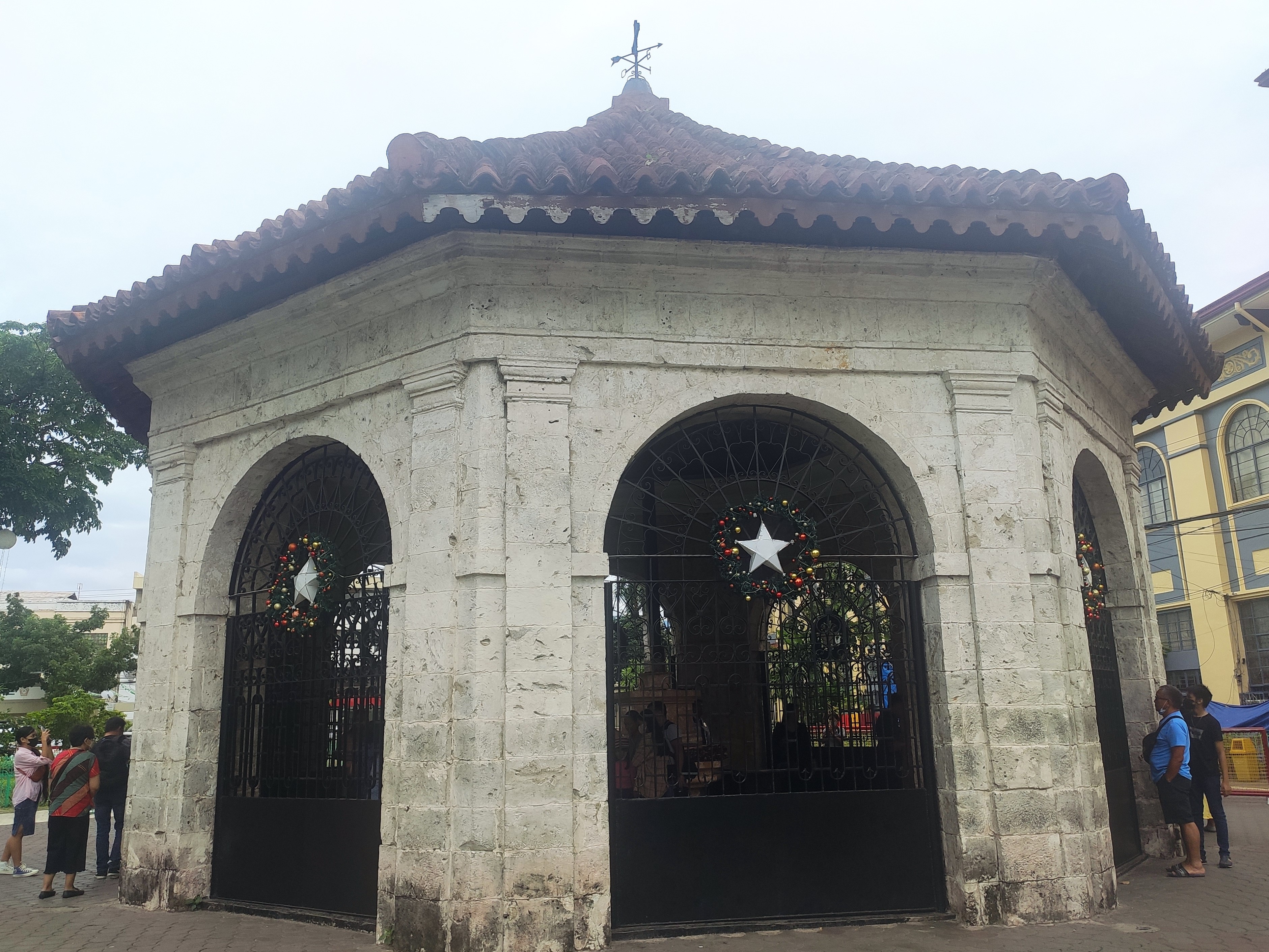
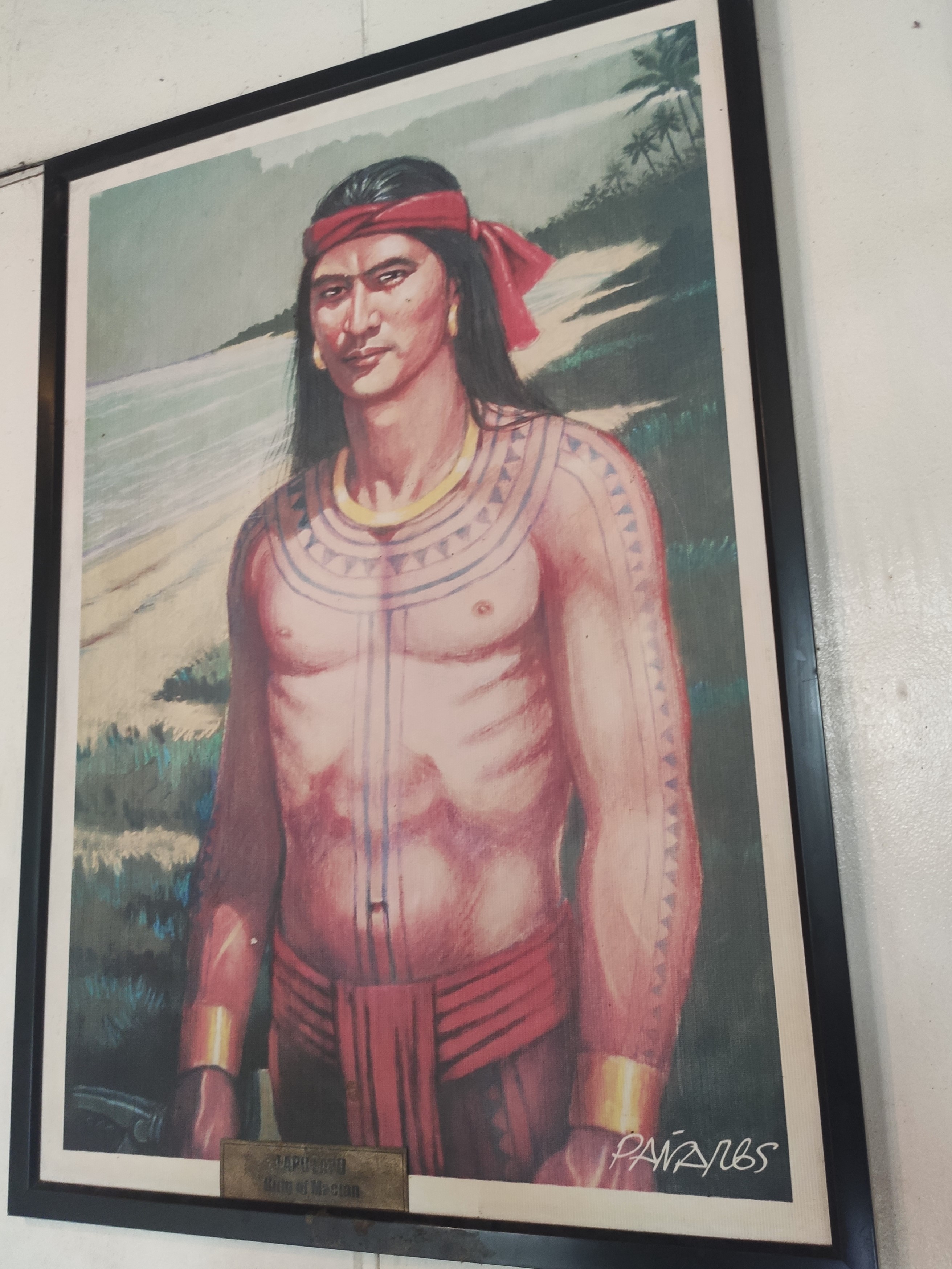
Ferdinand Magellan was a Portuguese explorer who reached the shores of Cebu in March 1521 and on April 21st, 1521 is said to have planted a cross in the spot this monument now stands in the city of Cebu in a purpose built stone structure. Magellan converted the reigning king and queen of Cebu – Rajah Humabon and Queen Humamay to Catholicism and after their baptism they were renamed Carlos and Juana after the reigning king and queen of Spain. Some dates on when Magellan’s expedition arrived to Cebu and planted the cross seem to be conflicting. However, what is consistently recorded, is that Rajah Humabon asked Magellan to kill his enemy Datu Lapulapu on the island of Mactan. Magellan was reportedly defeated and killed by Lapulapu on April 27th of 1521 – a mere 6 days after this famous cross was planted.
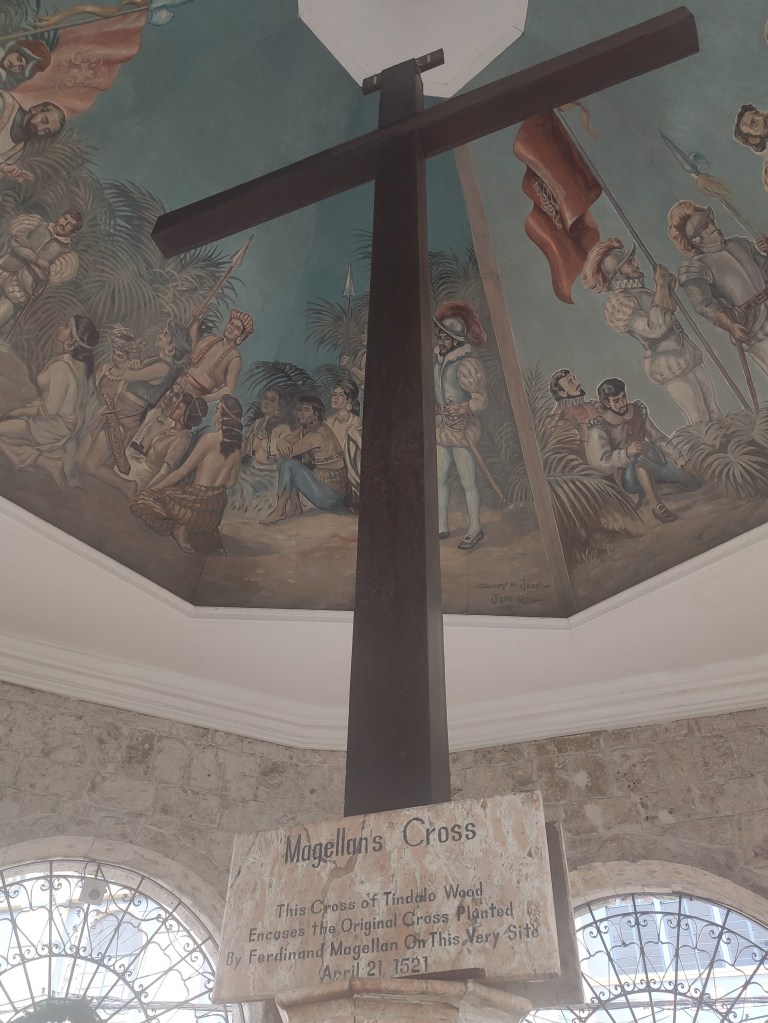
The cross is in a large pedestrianised square with other statues and memorials dotted around and close to the Minor Basilica of the Santo Niño. We walked up to the monument and there were ladies holding bunches of candles offering blessings, Oliver paid the lady and she took us in to the near the cross. The cross that is visible is made of tindalo wood and was constructed in 1835 to encase the original to protect it.
Once inside the pavilion, with the Cebuano lady chanting in Bisayan, hearing our names in amongst the words (she’d asked our names beforehand), it was an incredibly moving experience. Despite not being catholic, there was something about the energy & sincerity of the lady, the history of the monument, and the vivaciousness of the place moved me to tears, completely unexpectedly.
Basílica Menor del Santo Niño de Cebú
Osmeña Blvd, Cebu City, 6000 Cebu
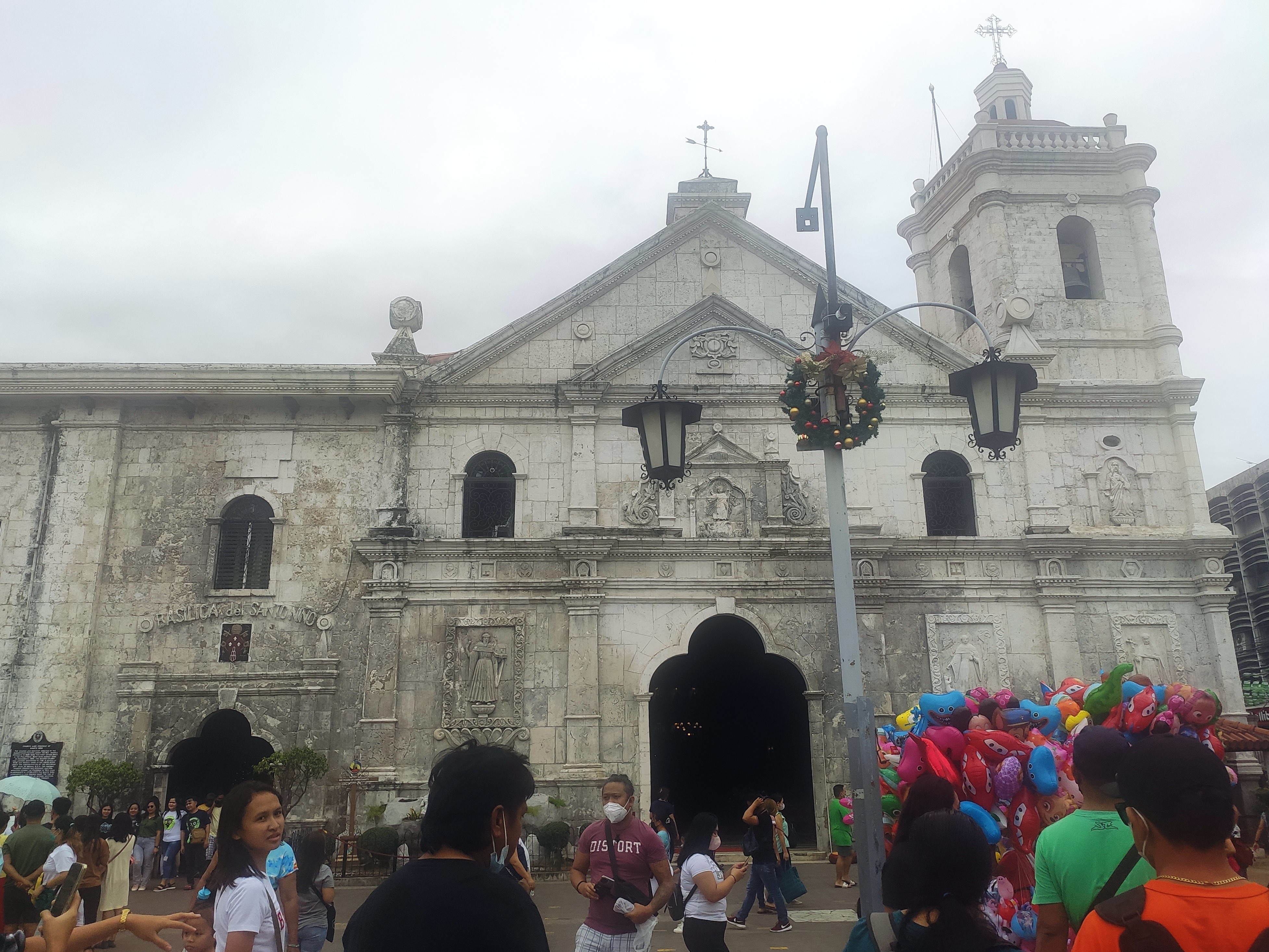
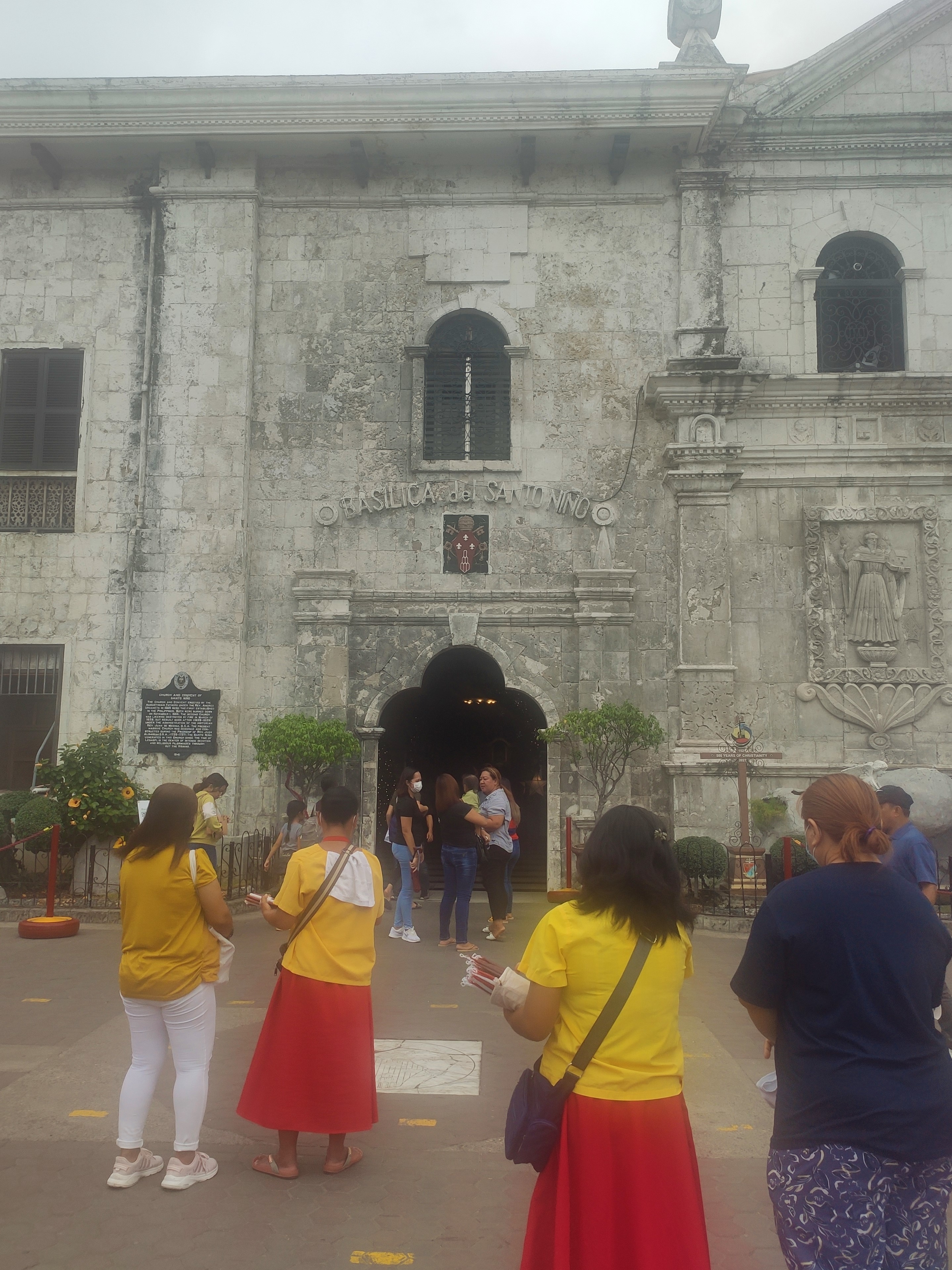
A short walk away is the famous Basilica del Santo Niño. A church and convent were founded in 1565 in this spot and burned down in 1566, a second burned down in 1628 and was rebuilt in 1629. It is the keeper of the famous Santo Niño – handed to Queen Humamay upon conversion to Catholicism. It is an elaborate chapel with a bustling atmosphere. At the back of chapel beyond the altar is a huge display of statues, with a Santo Niño replica in the centre, Jesus on the cross surrounded by, I would think are the 12 apostles, with perhaps Mary at the top.
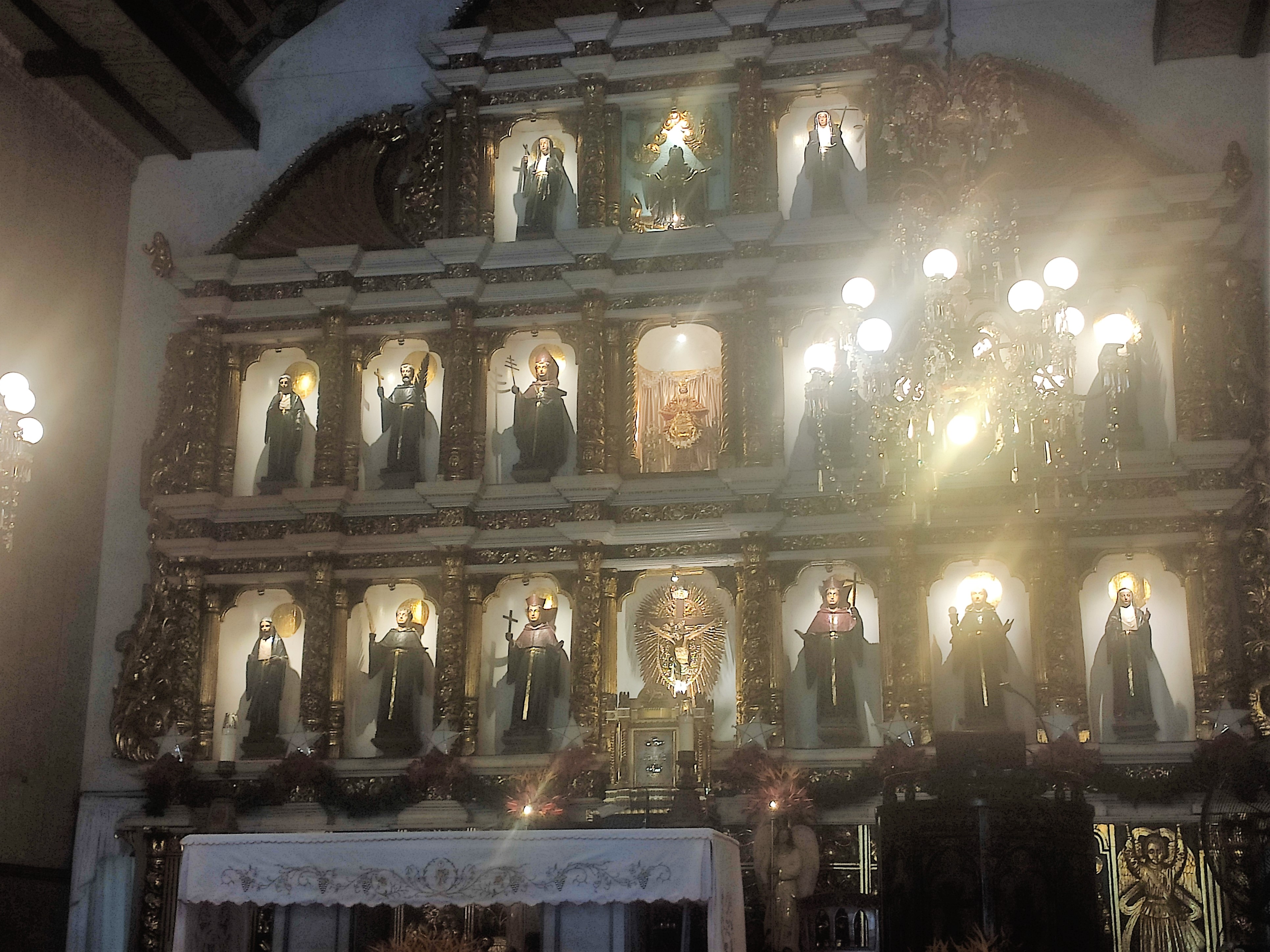
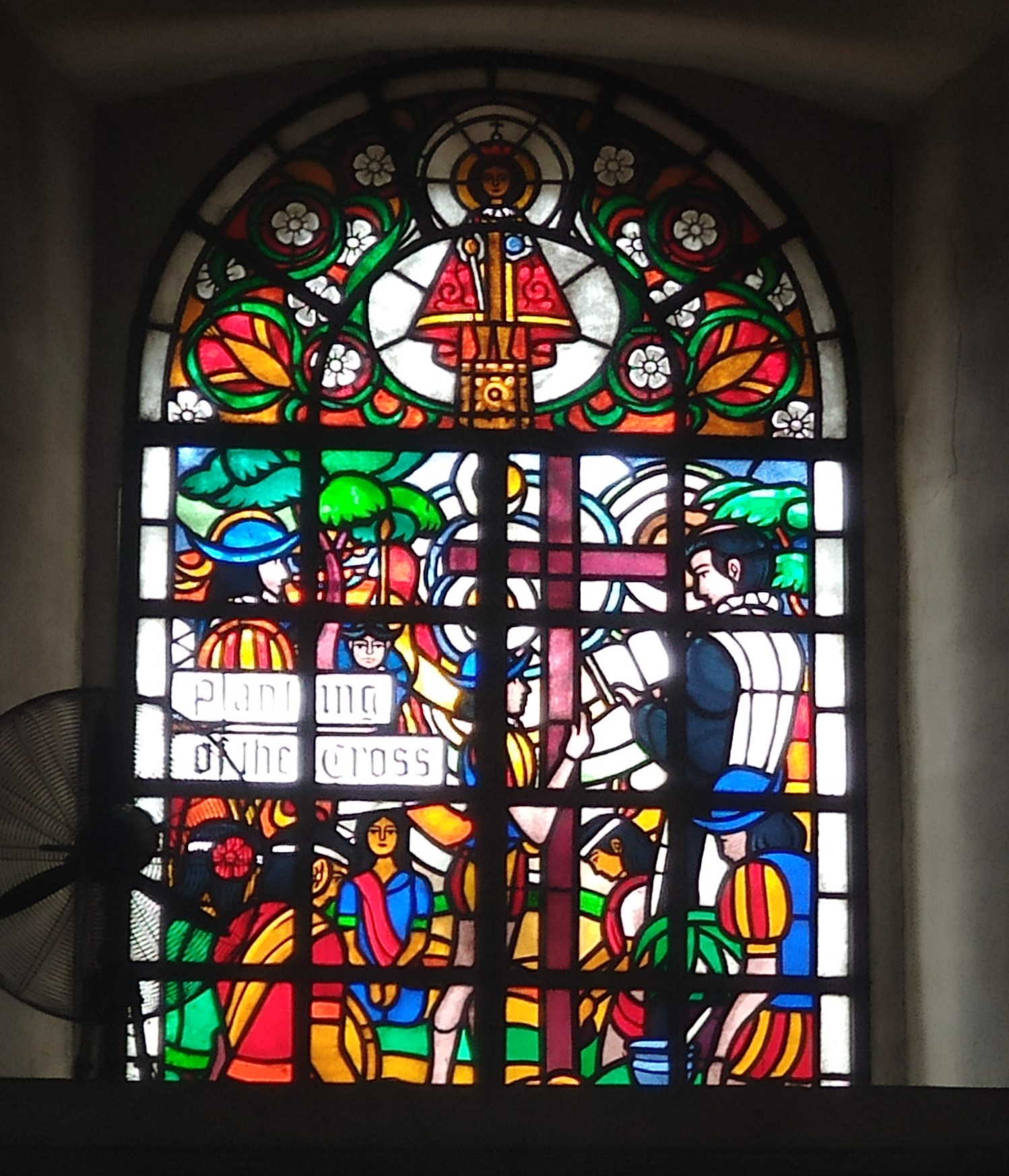
The original Santo Niño figure is held in the Basilica Minore del Santo Niño, follow the signs in the main building, around the beautiful courtyard, down a corridor lined with paintings of the historical context of the Santo Nino. It is 5 centuries old and held behind bullet proof glass. Visitors are allowed to go see the Santo Niño one at a time in a controlled way and no pictures. It was fascinating to see this little statue that has inspired so much devotion.
A treasure trove of the incredible history can be found here: https://santoninodecebubasilica.org
Fort San Pedro
A. Pigafetta Street, Cebu City, 6000 Cebu
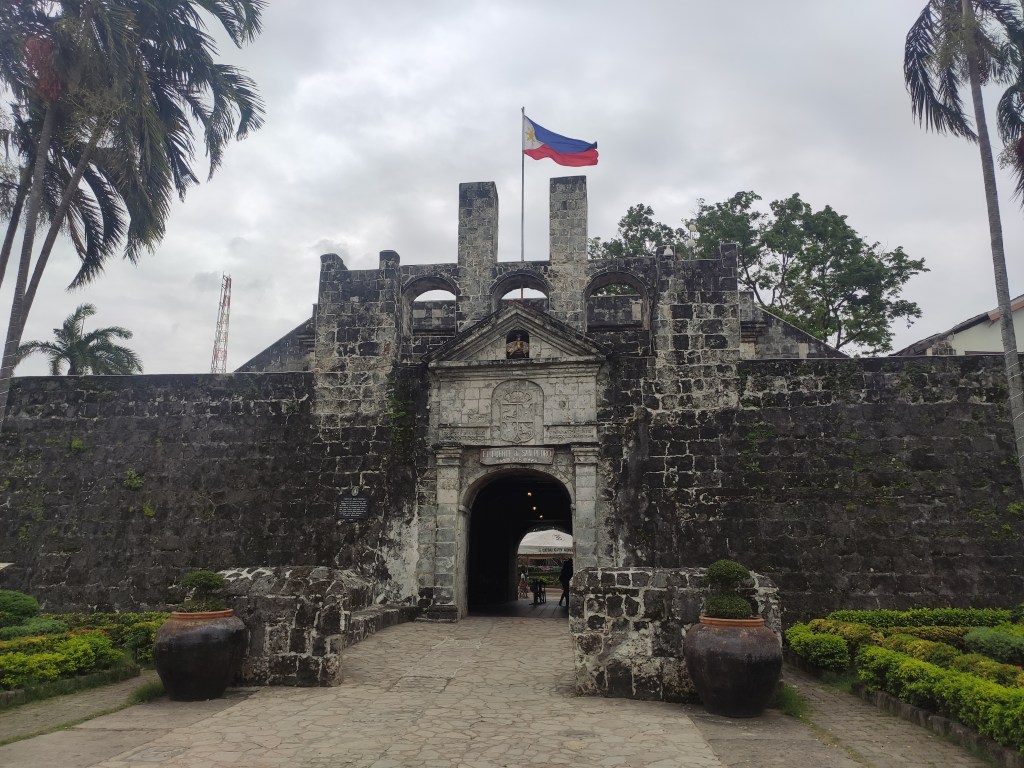
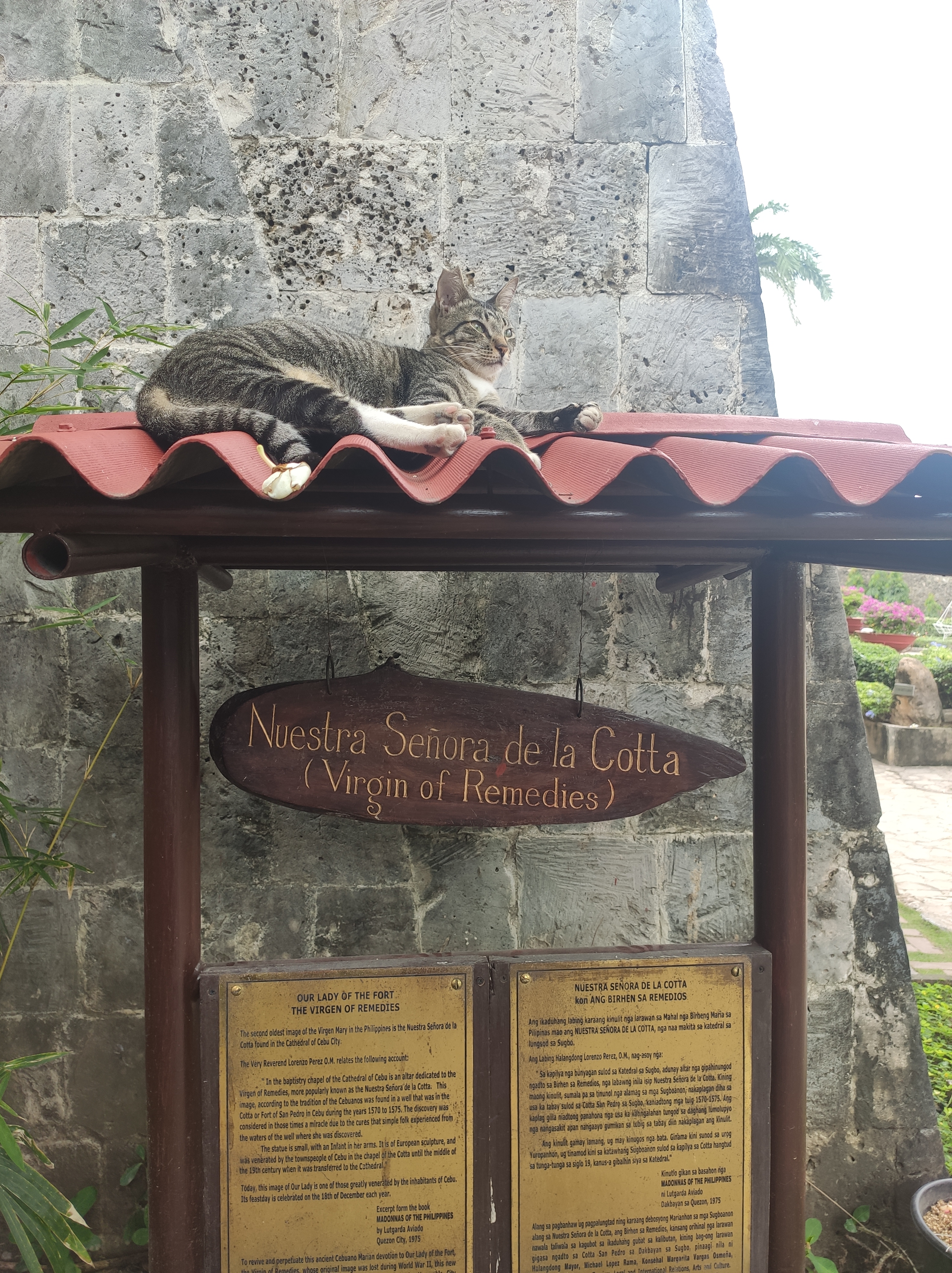
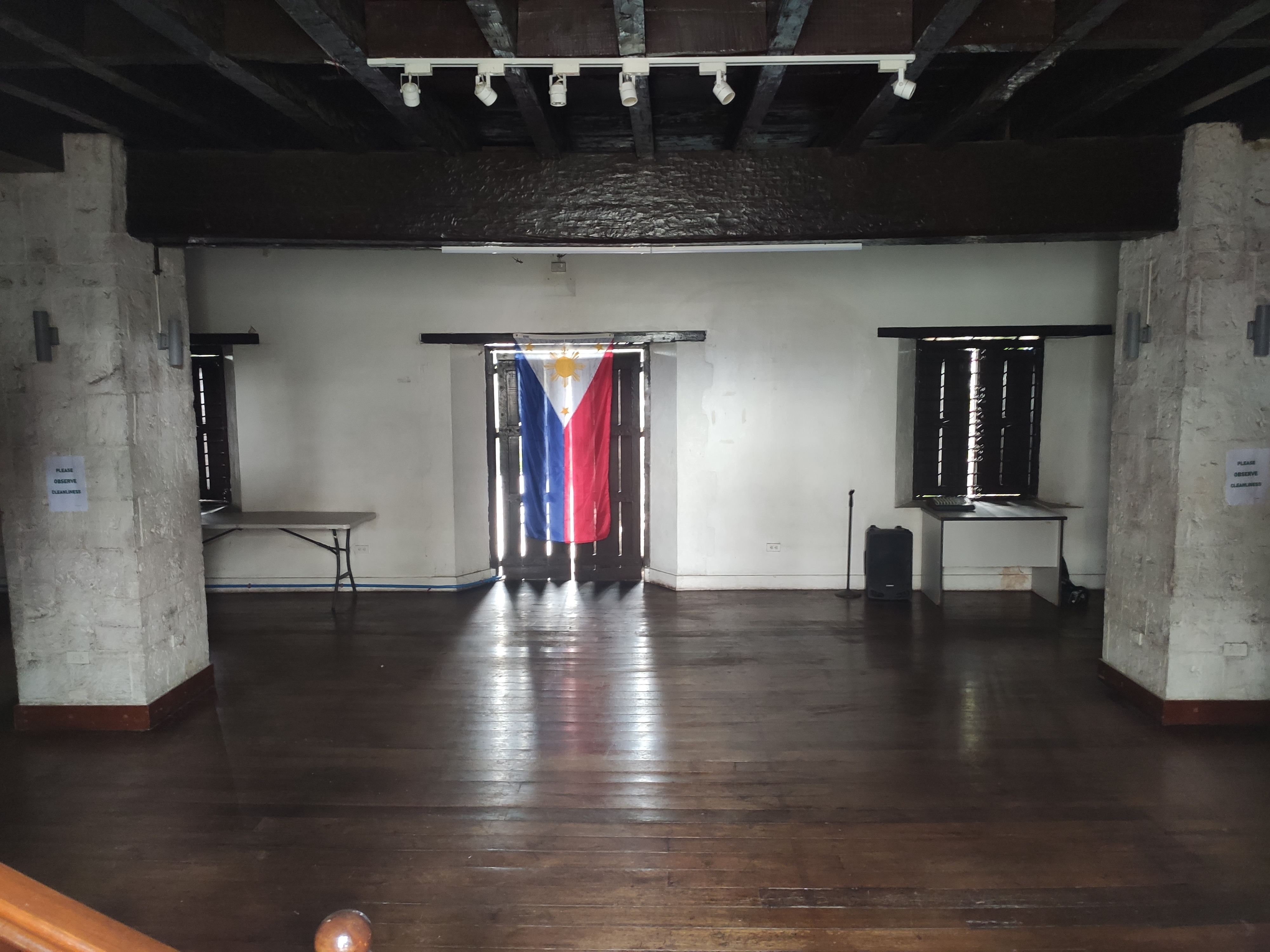
Fort San Pedro is a mere 12 minutes’ walk from Magellan’s Cross and the Basilica del Santo Nino and another monument to the Philippines’ colonial past, reached through the Plaza Independencia. The stone fort was built in 1739 – according to the plaque on the fort, replacing an older wooden fort that was ordered to be built by Legazpi in the 17th century. Despite a rich history, the fort was a lot less busy than the Magellan’s Cross and Santo Nino chapel.
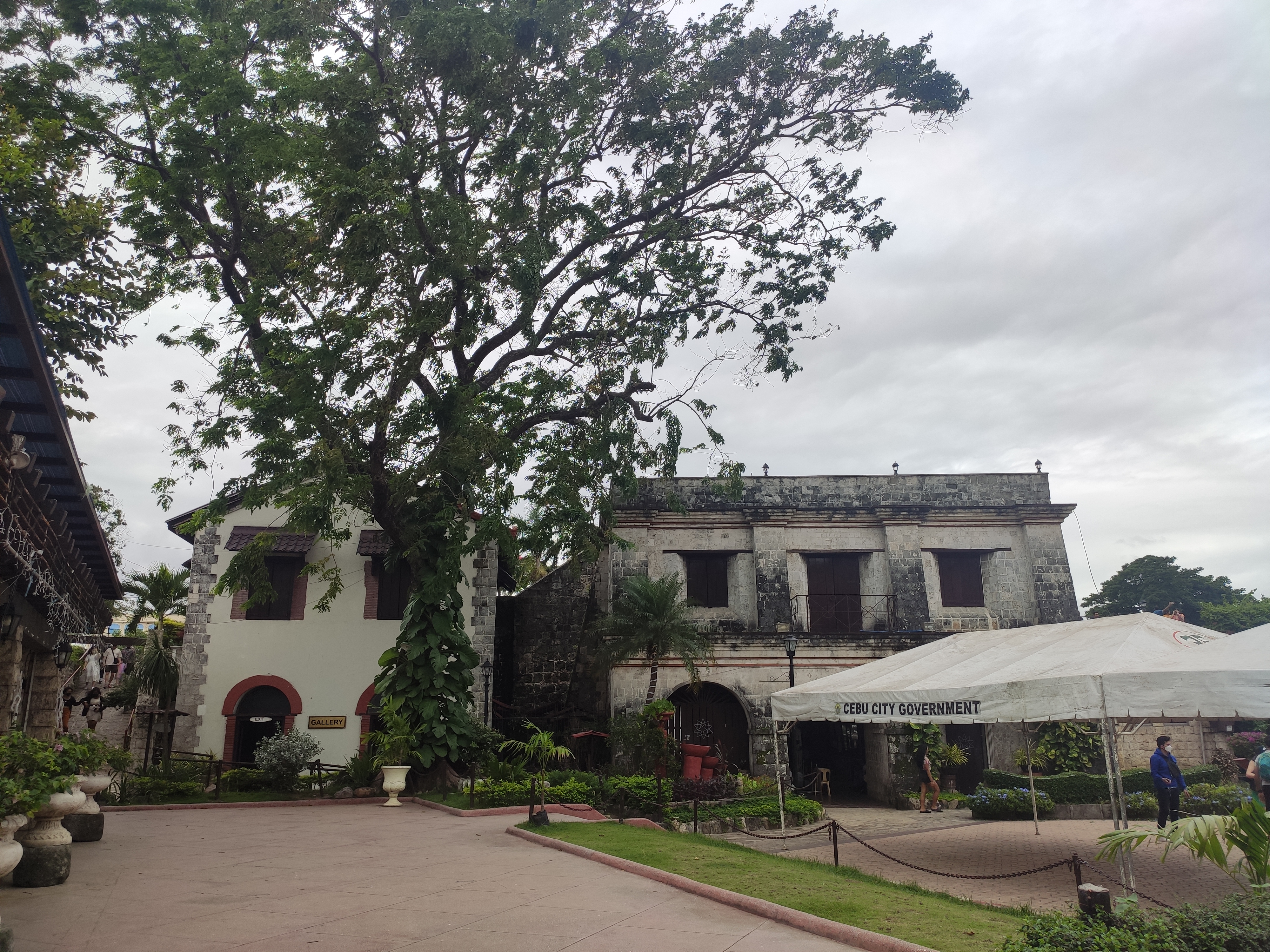
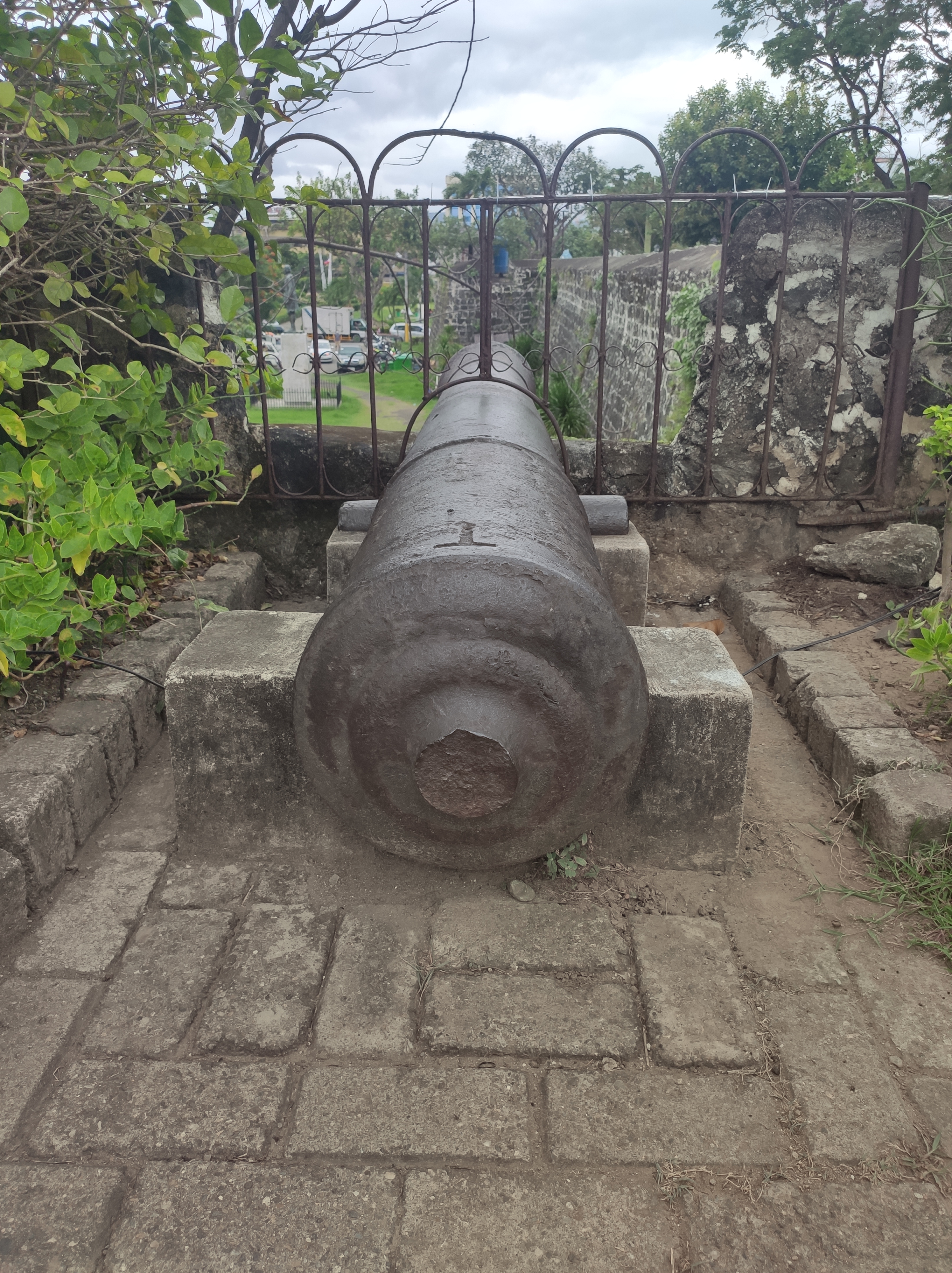
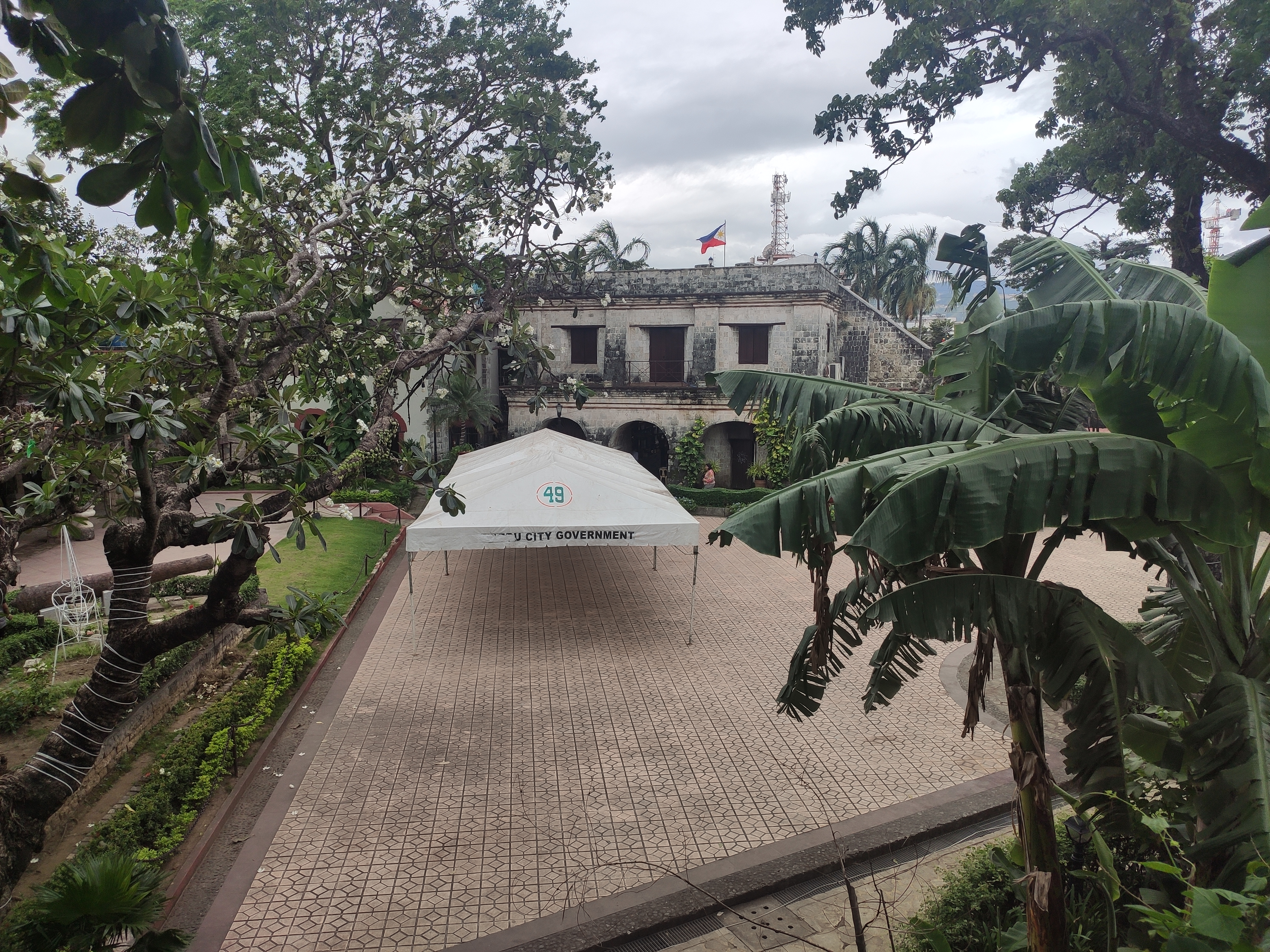
A mosey around revealed original cannons, smaller traditional rooms and 18th century Spanish architecture, I really felt like I was stepping back in time here. A small exhibition of paintings depicts the history of Magellan and his party reaching the Philippines and his fateful ensuing battle with Lapulapu.
Heritage of Cebu Monument
Sikatuna St, Cebu City, Cebu
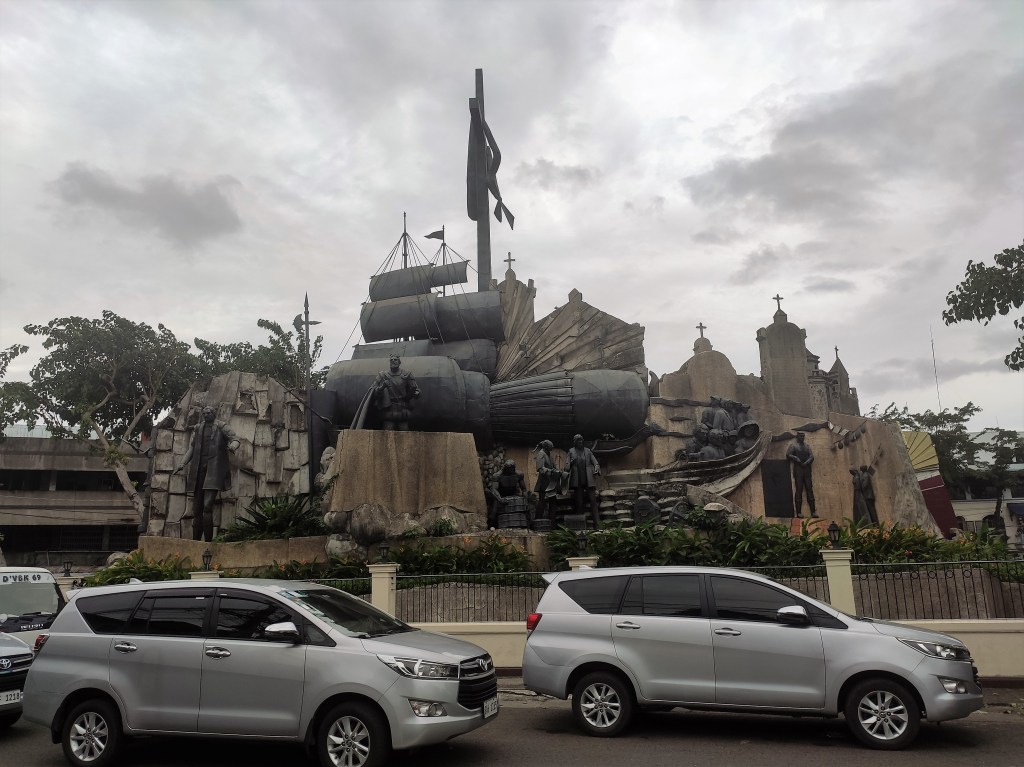
Following on from Fort San Pedro, we walked 15 minutes to the Yap-San Diego Ancestral House, passing the Heritage of Cebu monument on the way. A huge tableau depicting various pivotal events in Cebu’s history, including the arrival of Magellan, the blood pact, the conversion of Rajah Humabon and Queen Humamay, battle of Mactan and the inauguration of Sergio Osmena as president of the Philippines – the first Visayan to be president. It was designed and built by the Cebuano artist Eduardo Castrillo, took 3 years to complete, with it being unveiled in 2000.
Yap-San Diego Ancestral House
155 Mabini St, Cebu City, Cebu
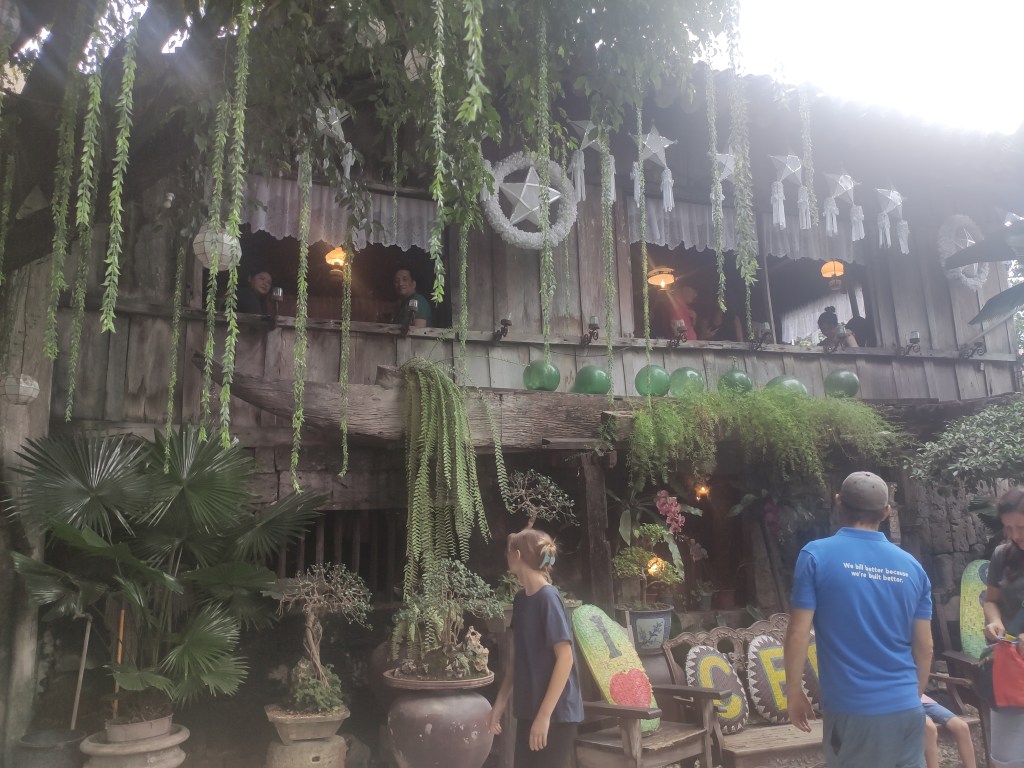
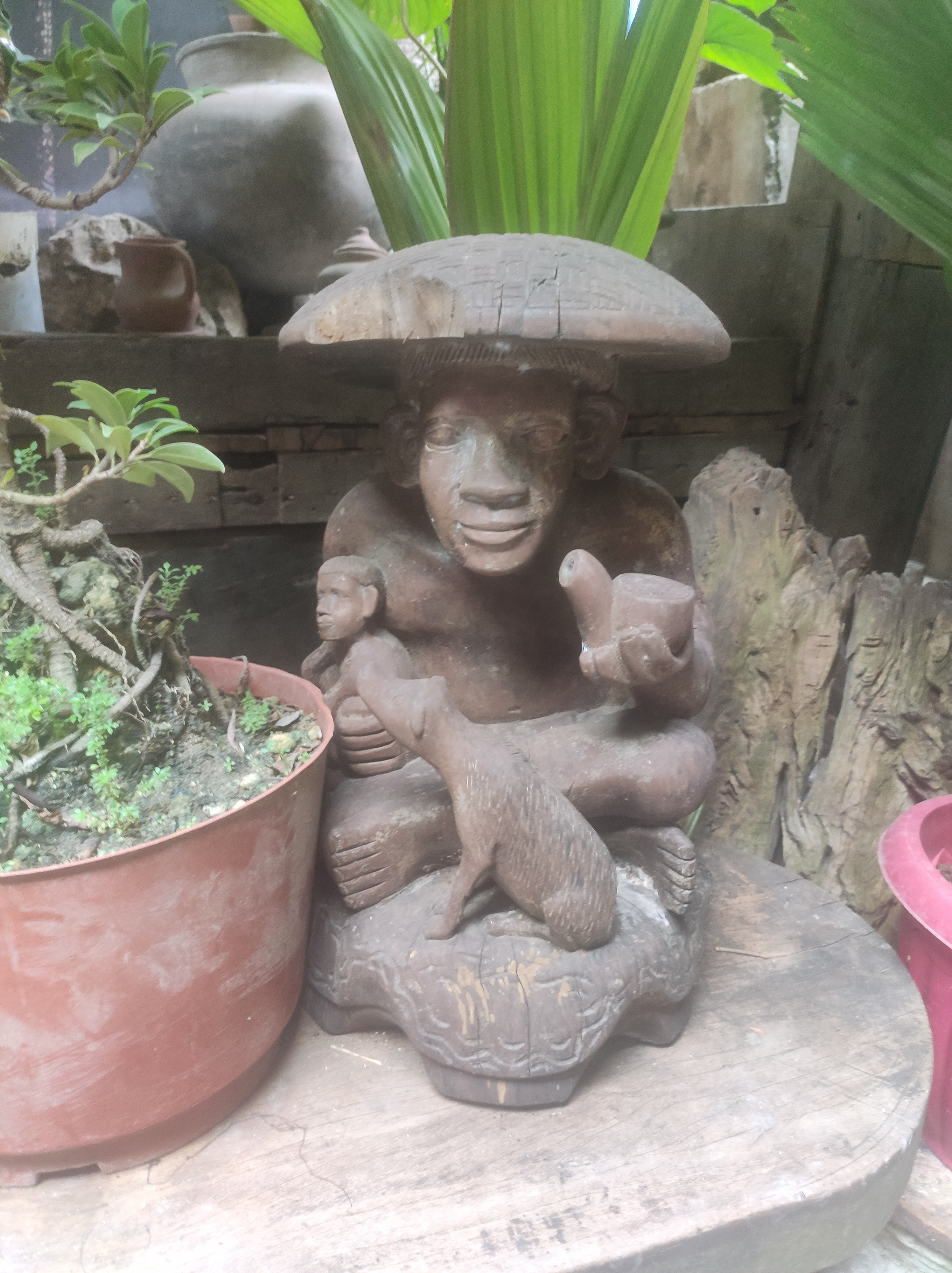
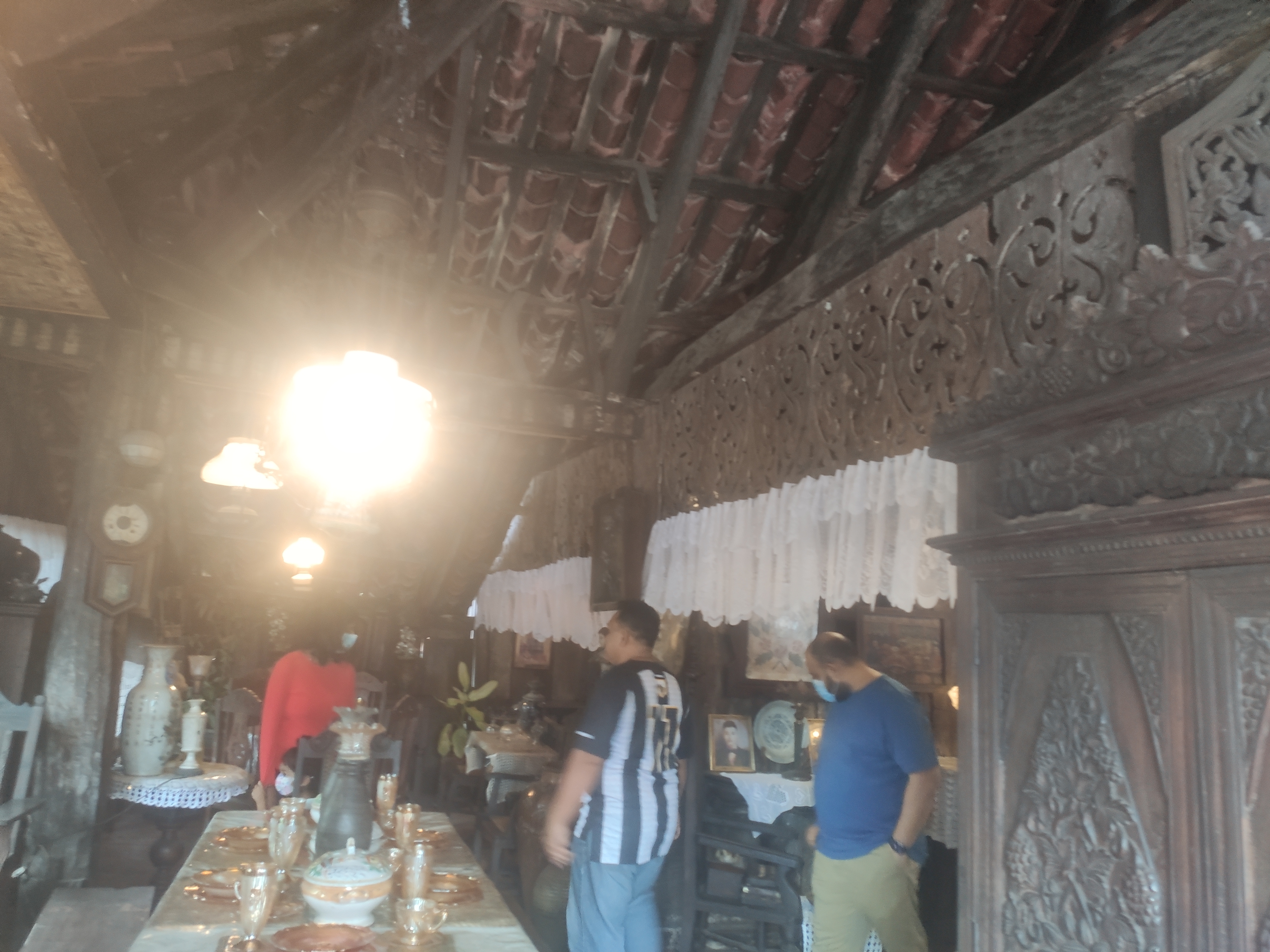
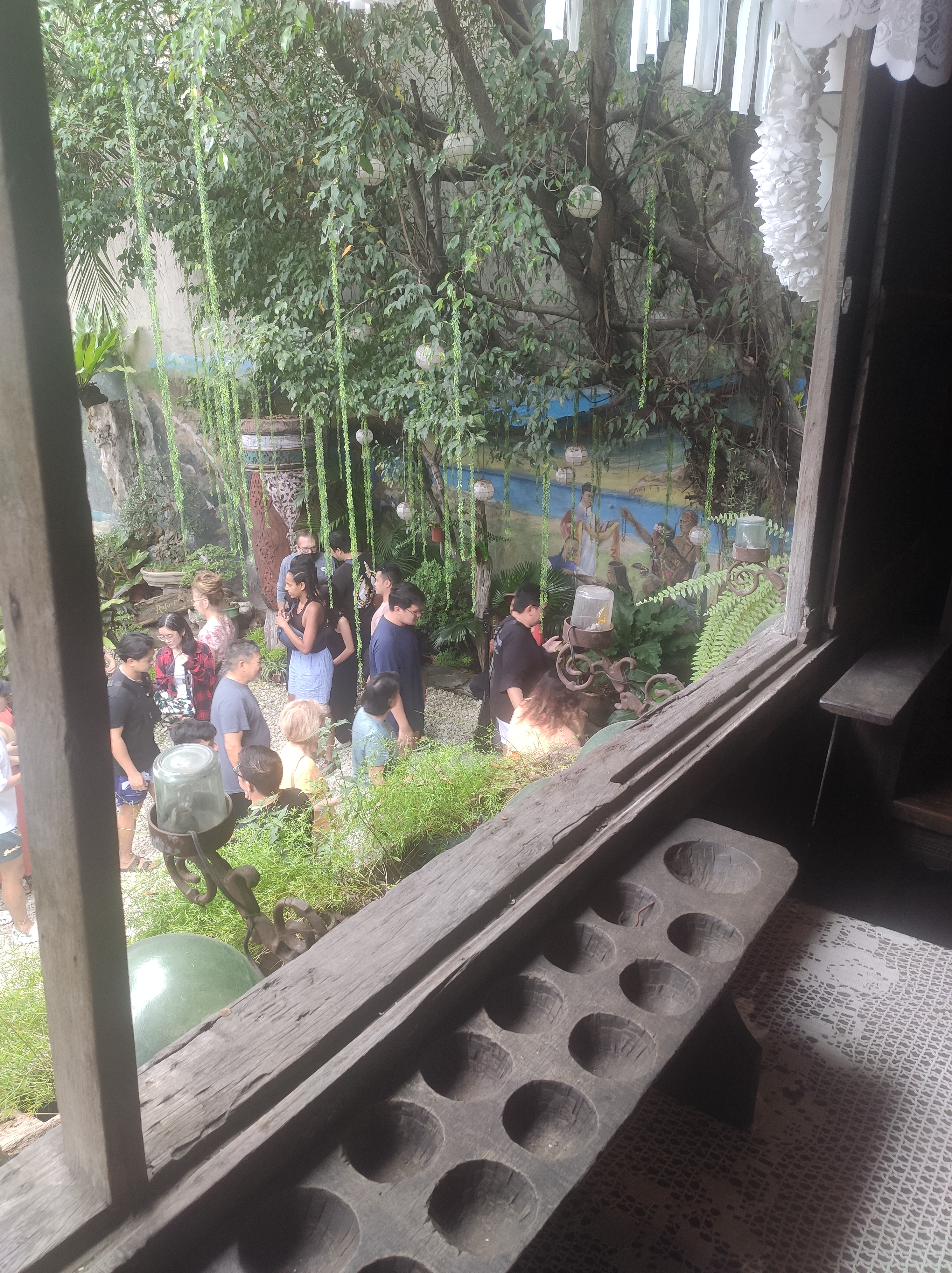
60 seconds walk from the monument is the Yap-San Diego Ancestral House. Once home to the aristocratic family, it is a now a museum with many artefacts illustrating Filipino life and history in general and old artefacts of the family. It is jam packed full of stuff – paintings, statues, instruments, ornaments, elaborate furniture and family photos, even an old sungkahan board for playing sungka – a traditional Filipino board game. It is said to be one of the oldest houses in the Philippines and built during the Spanish colonial era in the 17th century, somewhere between 1675 and 1700. It is a feast for the eyes and the beautiful carved timber architecture is astounding.
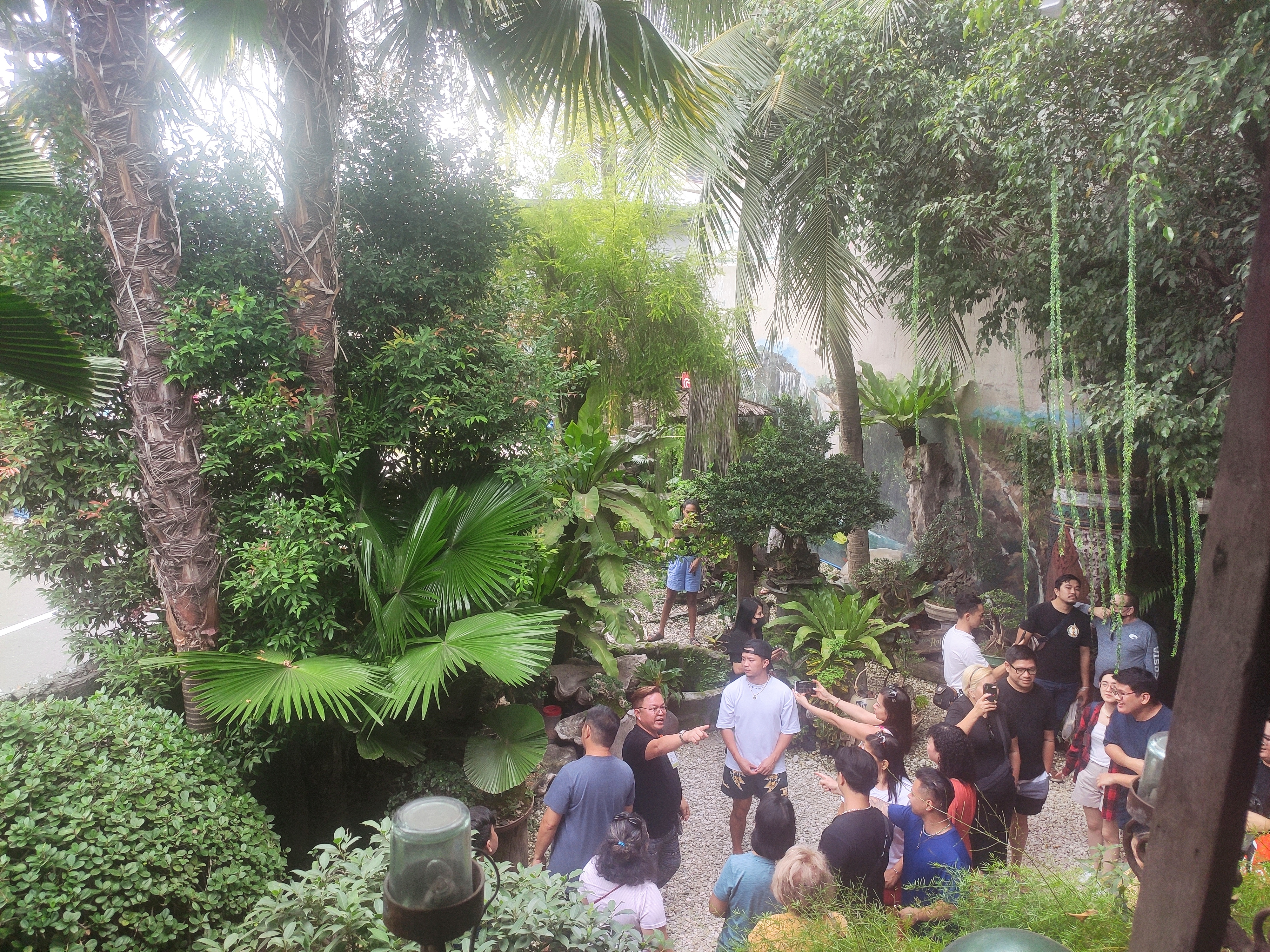
Outside in the garden space there are plants adorning every corner and trailing from the rooftops, there was also a man playing the harp, which set the scene beautifully. It was very busy. There was a small fee to get in, and the displays are chaotic, but it was also really fun and beautiful at the same time. Another little peek into an unknown world and stepping back in time.
SM Seaside City Cebu Mall
Cebu South Coastal Rd, Antuwanga, Cebu City, Cebu
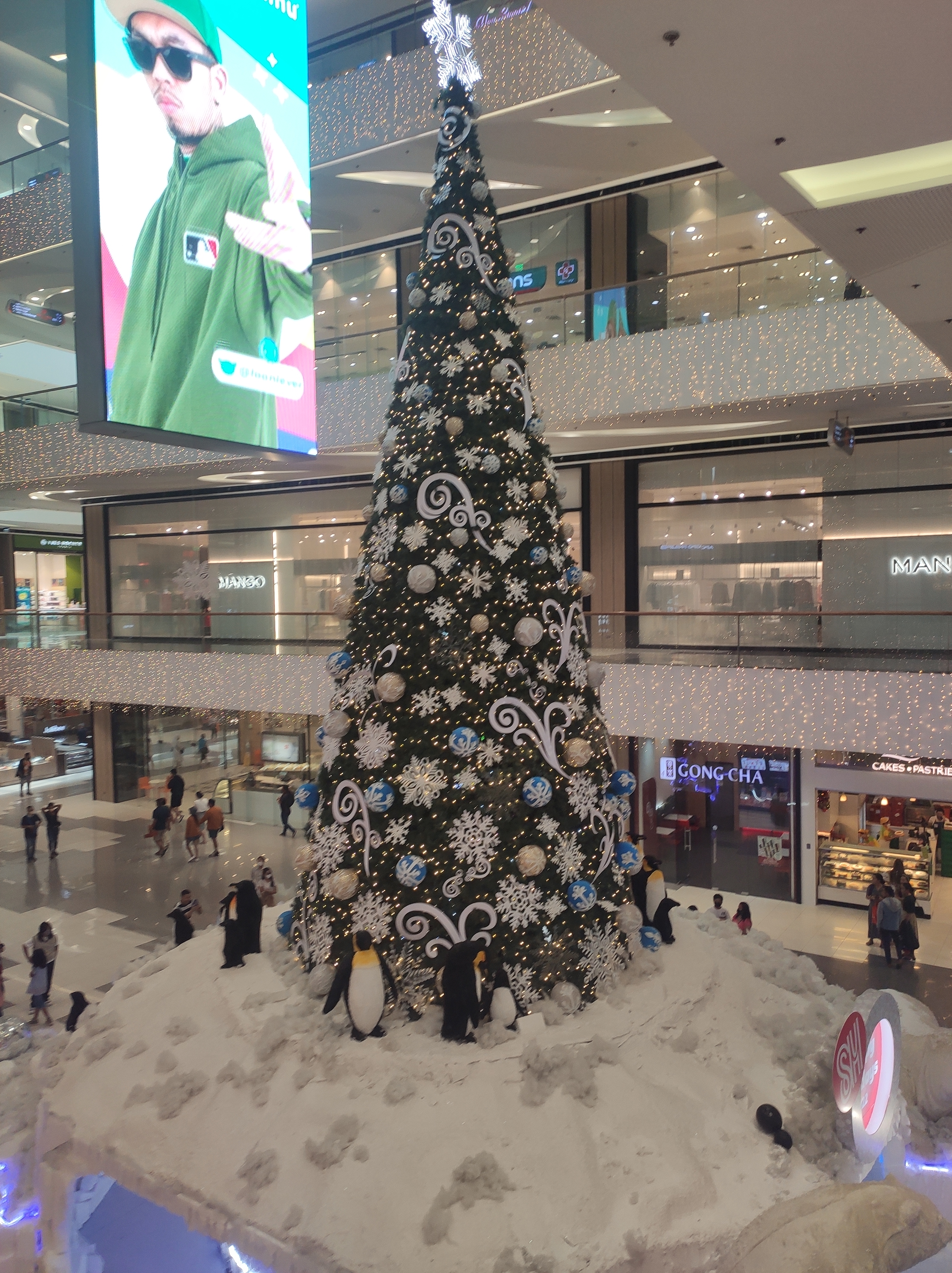
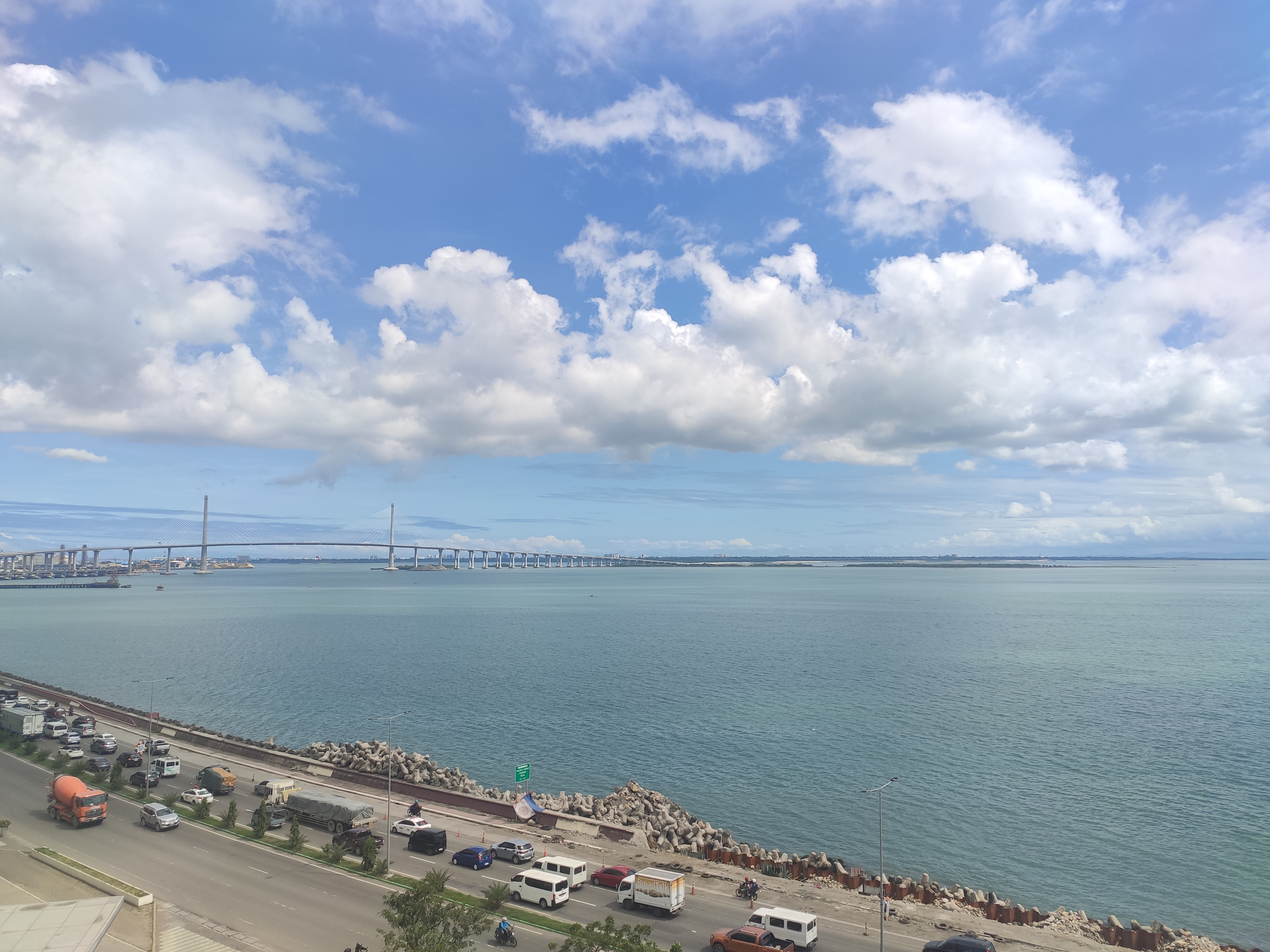
SM Seaside Mall is a large mall with plenty of places to eat, amazing views, a little gallery, a market space on the weekends in the rooftop garden area – rumour has it that there is vegan halo-halo but I can’t now find the name of the place!
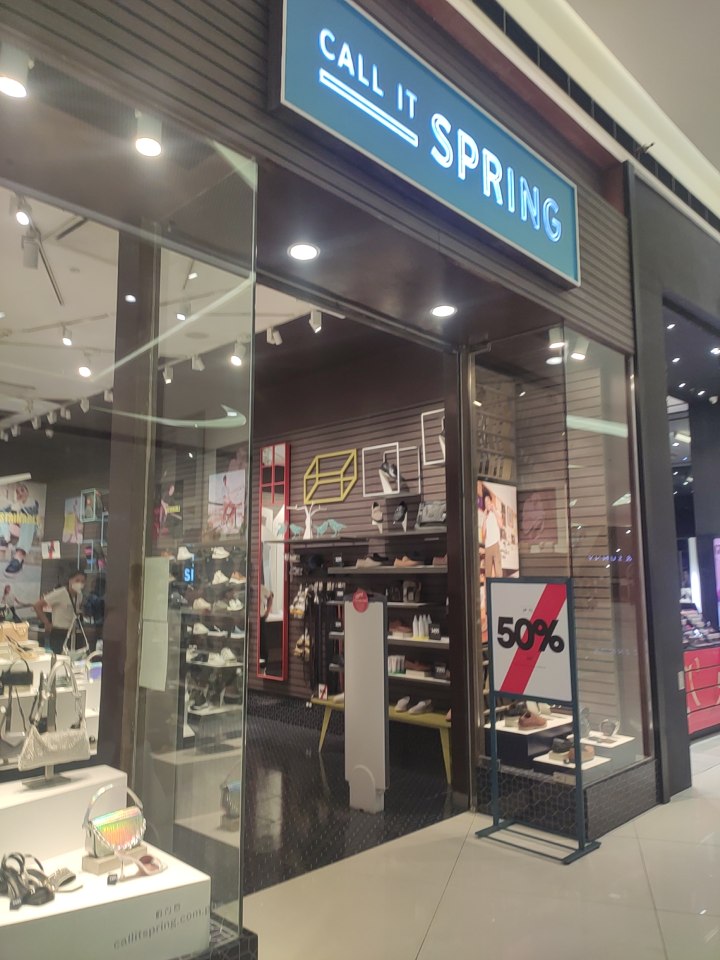
I was excited to find a shop called ‘Call It Spring’, this had been listed on Happy Cow as being in the Ayala Mall, but it is no longer there. Call It Spring specialise in all vegan shoes, boots and bags. I bought a really cute purse from here and there was a nice selection of trendy shoes and bags. Well worth checking out.
Cebu was a bit of a whirlwind, I’m glad we fitted so much in to our first day – Magellan’s Cross, Basílica Menor del Santo Niño de Cebú, Fort San Pedro and Yap-San Diego House all being within a walk of each other – around 30 minutes away, or a quick jeepney ride. It’s fascinating to consider the history of the city and the monumental changes that took place and the legacy it has left behind.
Follow The Greedy Herbivore on Instagram and Facebook to keep up with my latest blog posts, reviews and ramblings, or follow through WordPress to receive notifications of new posts direct to your inbox.
 The Greedy Herbivore