
6th – 12th January 2023
Our final stop of our trip, was the capital, Manila. It is known as the most densely populated city in the world, with a population in 2020 as just under 2 million, and purportedly 46, 178 people living per sq. km. We were prepared for a busy city.
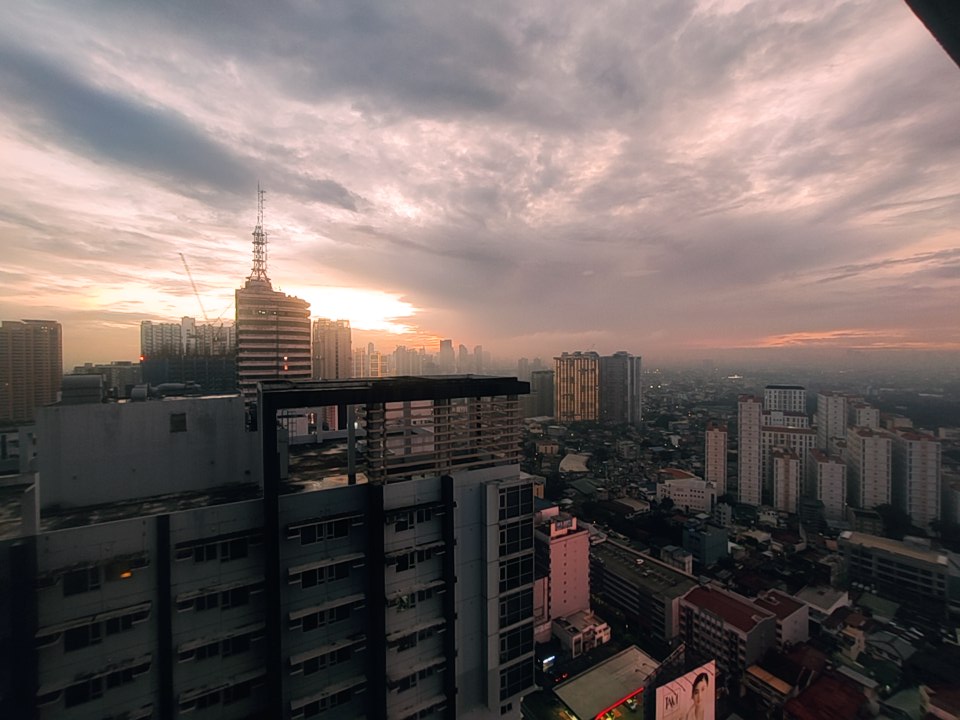
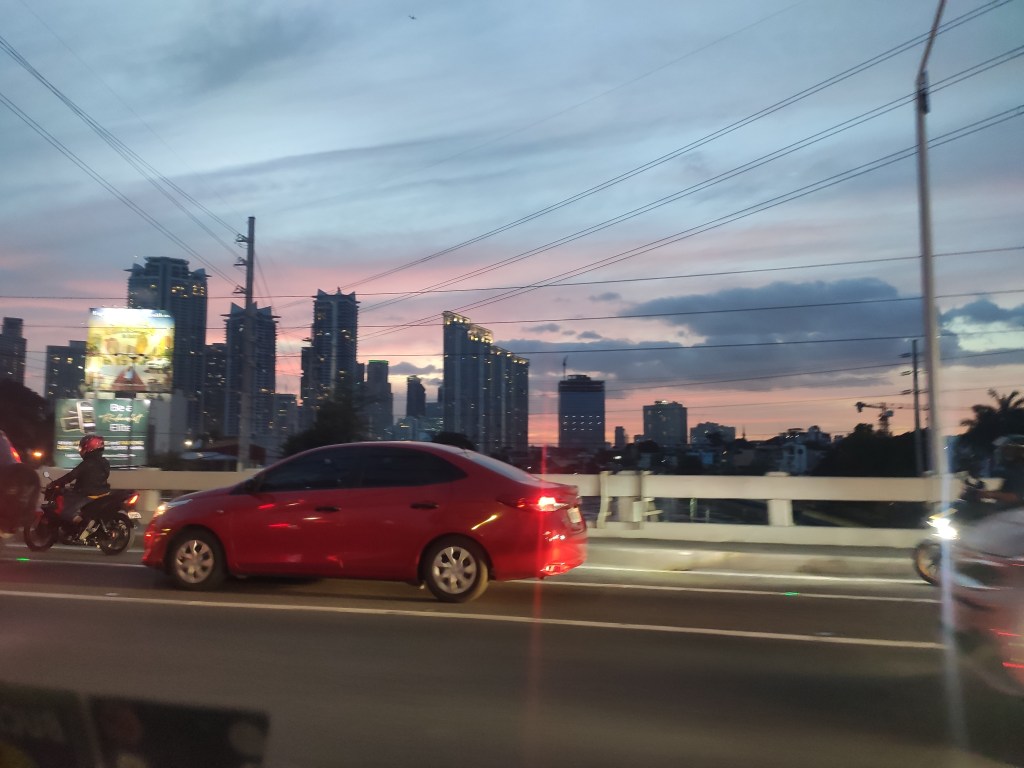
As soon as we got out of Tagbilaran airport, we were straight into busy city traffic, bumper to bumper traffic heading to Mandaluyong where we were staying. It allowed us to see some unique characters of the city along the way. There was the Pasig River with its history of being declared ‘biologically dead’, then a great successful clean up operation removing sewage and physical waste until unfortunately more recent reports from 2020 stating its pollution was on the rise once again. There were huge skyscrapers in the rising up all over the landscape, with more rustic dwellings right in between, contrasting decadence with more humble abodes. There are food stalls, shops, huge malls, markets, parks, cathedrals, and bustling life everywhere, packed into the mega-city. We couldn’t wait to explore and I was eager to see how my partner would reconnect with the city he grew up in (or near as he grew up in a connecting part of the city and not quite Metro Manila).
Where we stayed:
Fame Residences
Mayflower St, Mandaluyong, Metro Manila
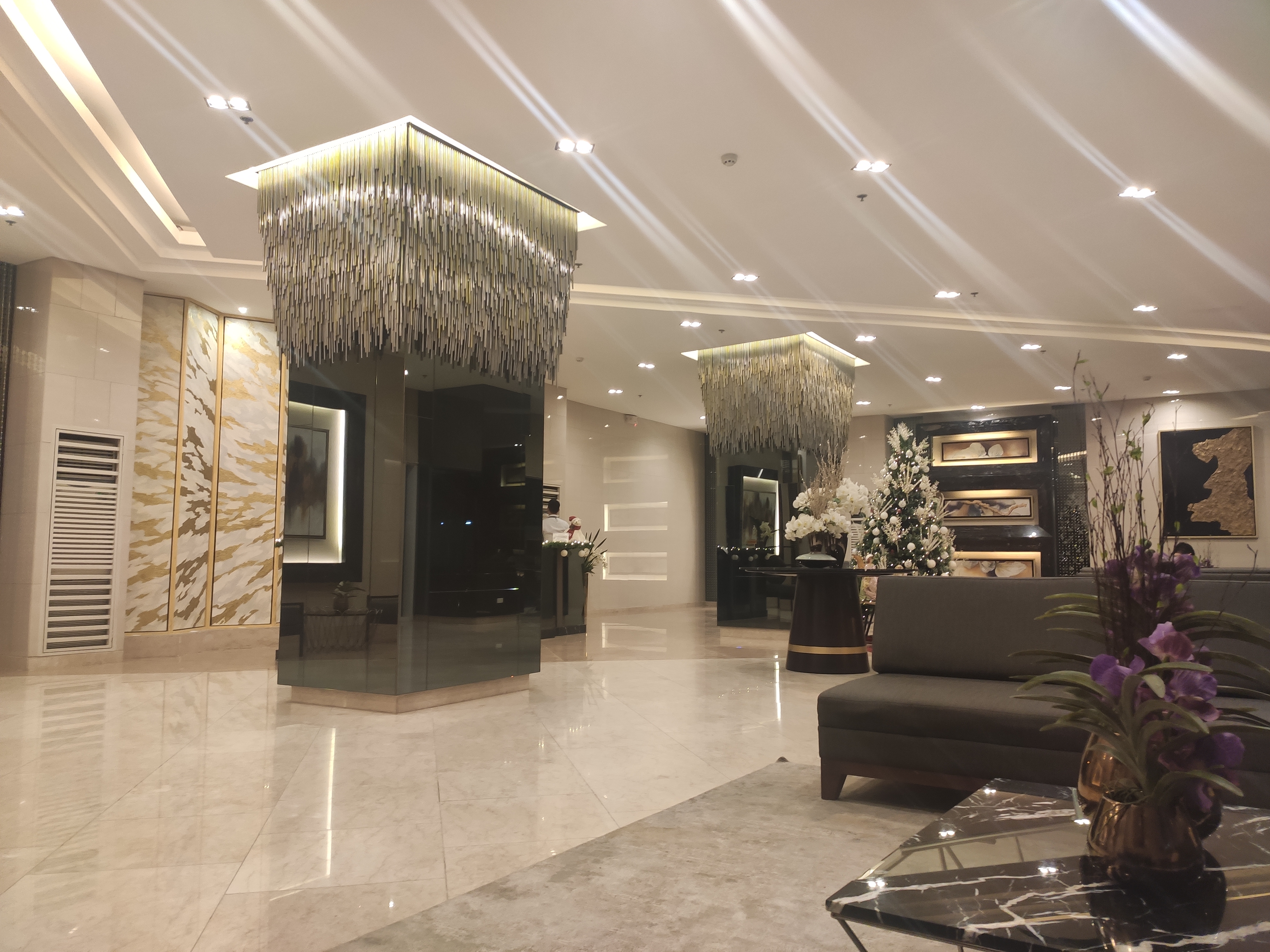
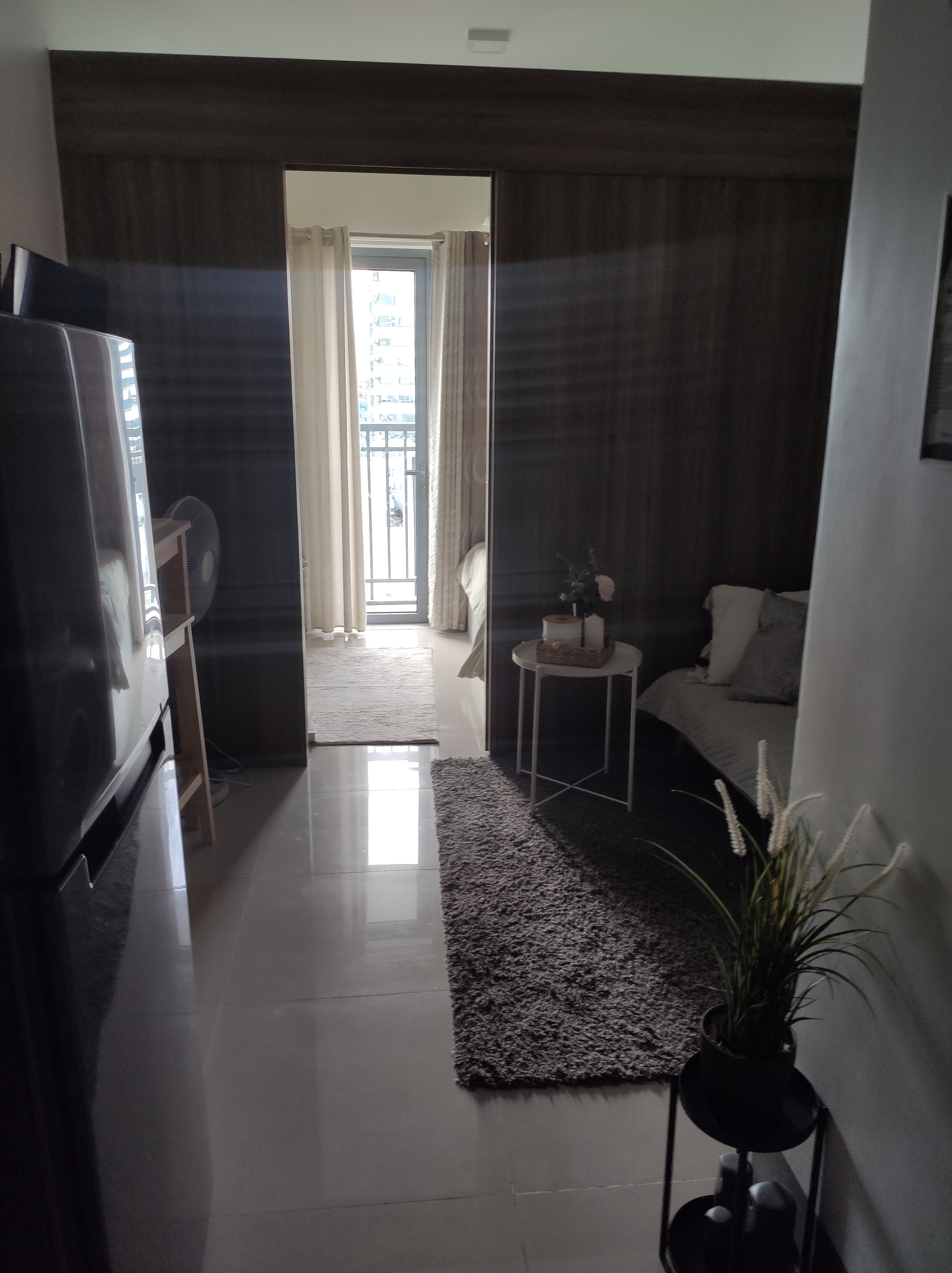
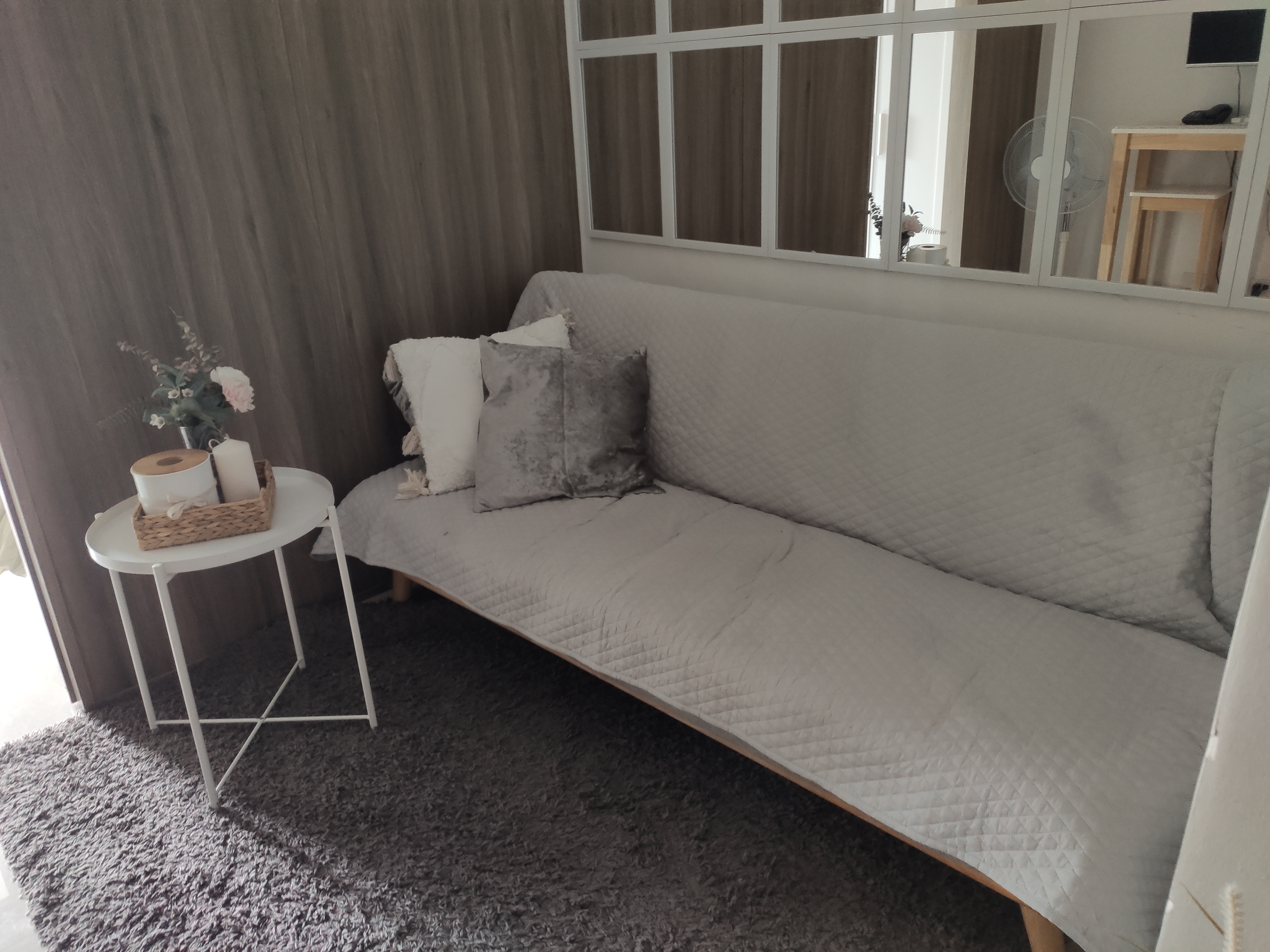
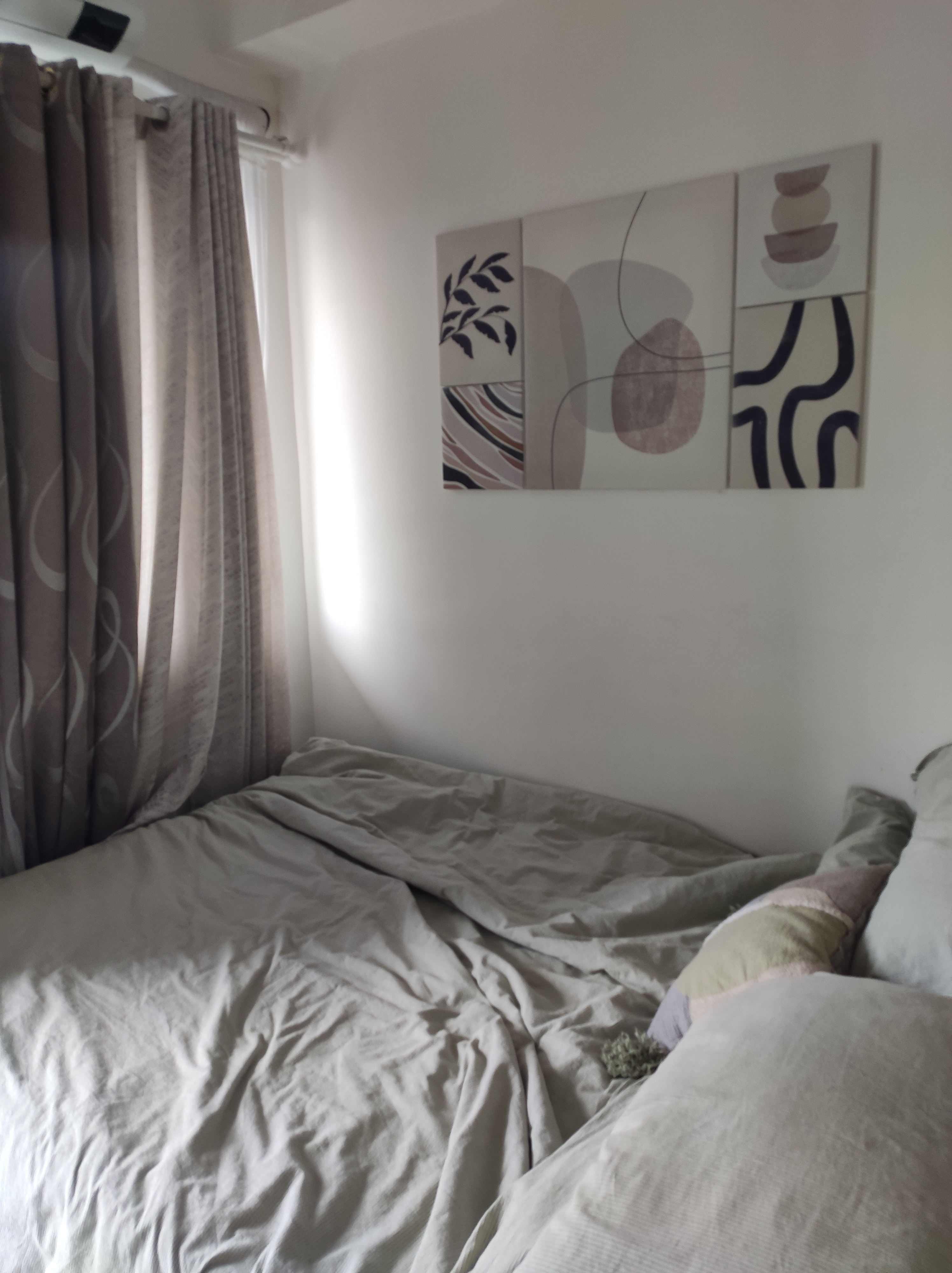
We stayed in Fame Residences in the Mandaluyong district of Manila. It is a complex with two skyscraper towers adjoined and we were on the 35th floor. It was a cosy self-catering apartment, complete with kitchenette, living room with tv, bathroom with shower, bedroom and balcony. It was small but perfectly formed and well-equipped for our stay. The views from the balcony were incredible and we enjoyed the stunning sunsets across the city.
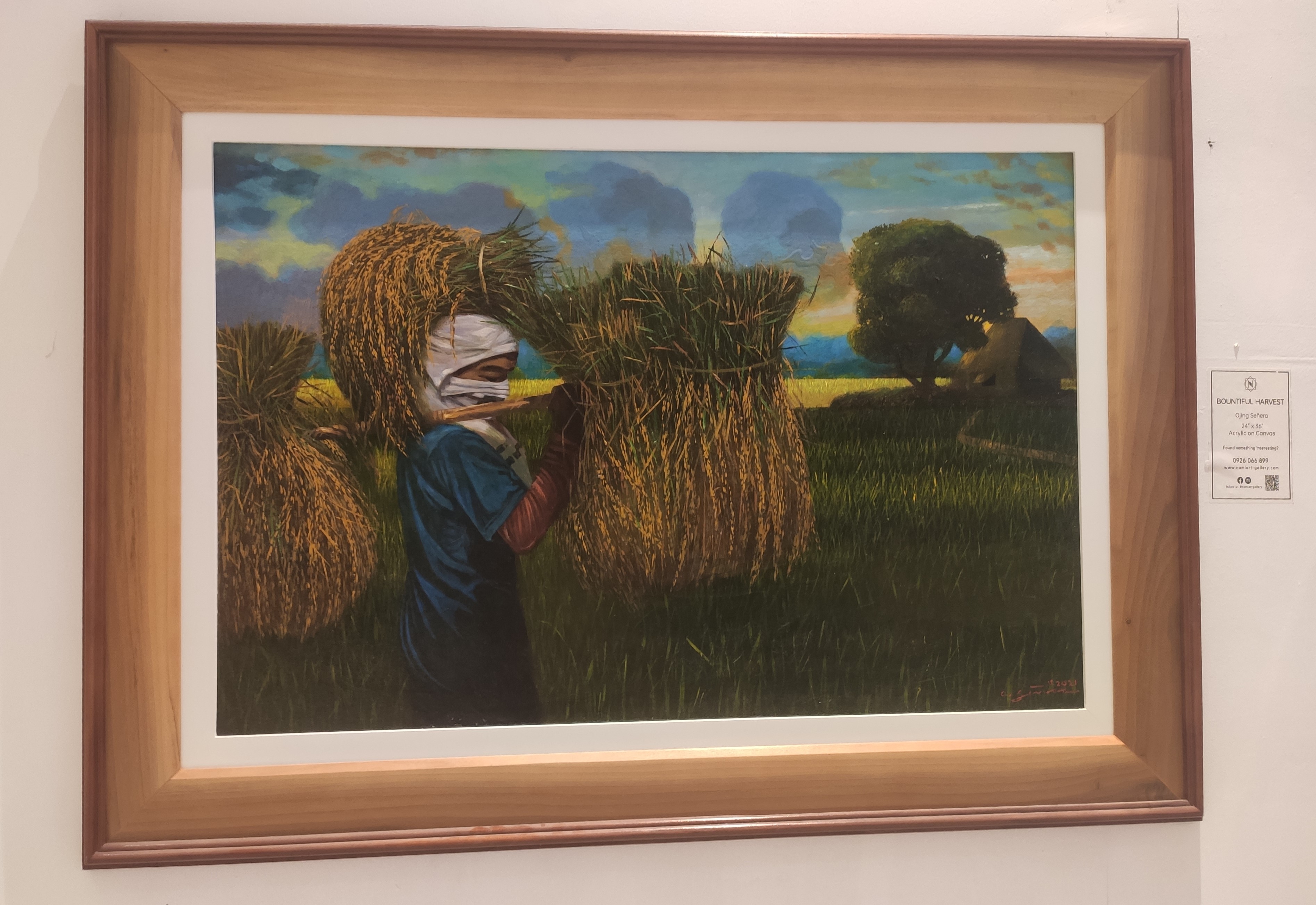
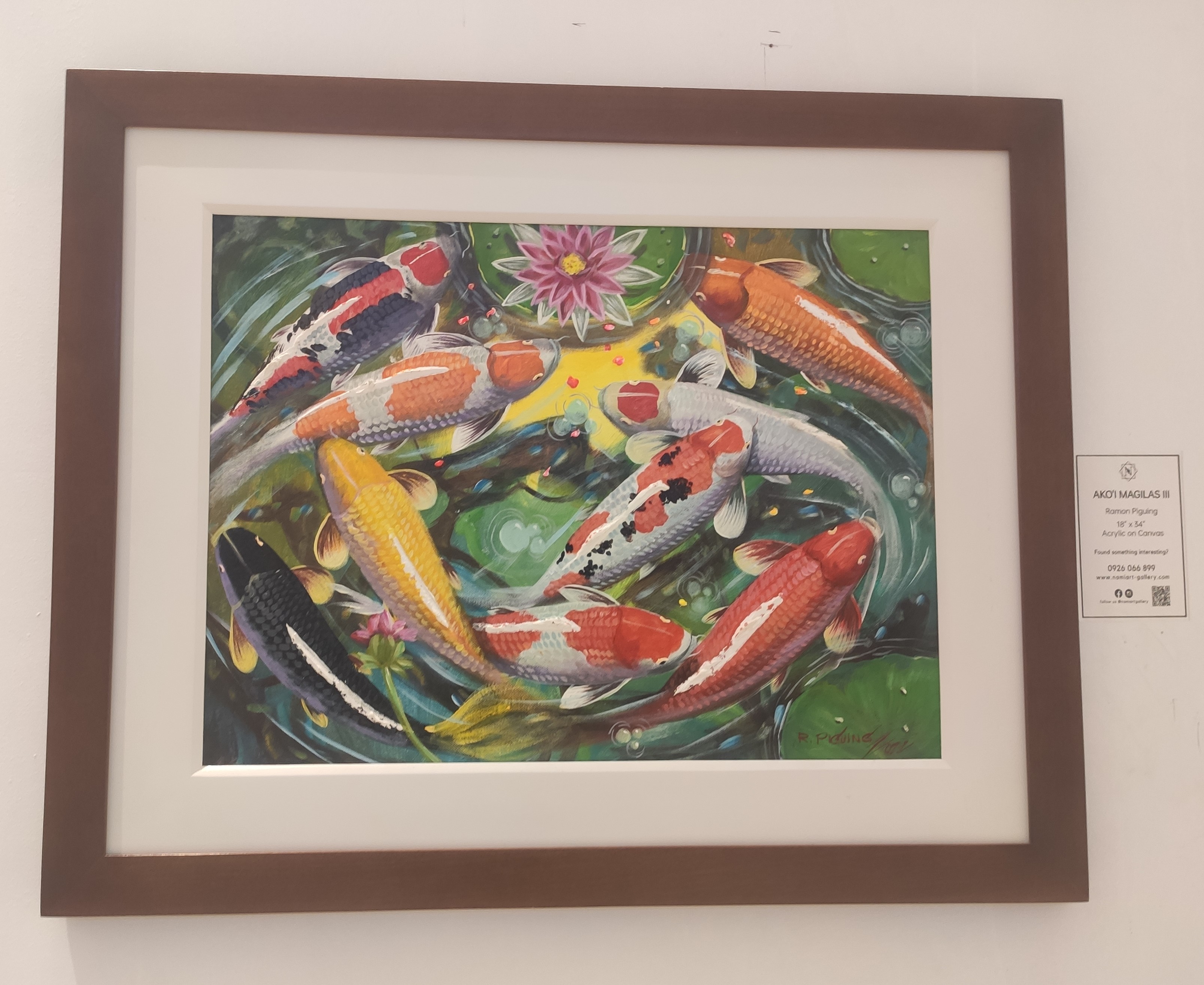
Some of my favourite pieces from the gallery space – ‘Bountiful Harvest by Ojing Señara and ‘Ako’i Magilas III’ by Ramon Piguing
Fame Residences has its own mall complete with 2 supermarkets, cafes, art gallery – Nami Art Gallery – and a nail bar too. We made use of all of these whilst here, and the bigger of the two supermarkets had very good turon!
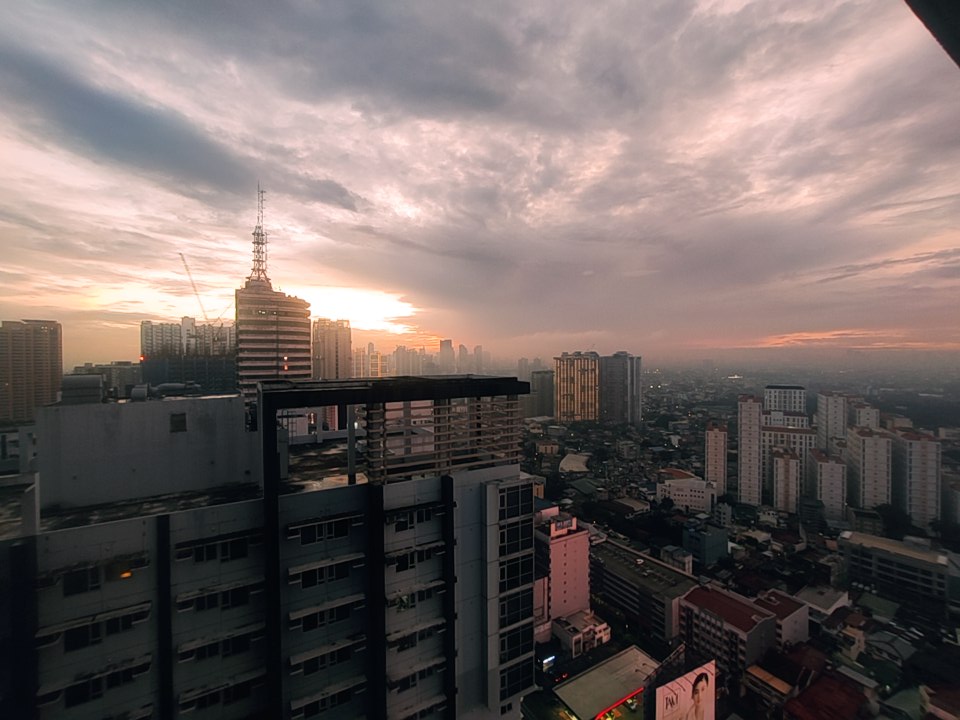
The area was in good walking distance of Shangri La Plaza (10 minutes walk), which has high end shops and restaurants, and SM Megamall (15 minutes walk) which has an abundance of shops and a particularly useful ticket counter which was where we were able to buy tickets for a local basketball game and near to the tram stops which connected to lines that got us near to Intramuros, Rizal Park and Quiapo.
Rizal Park
Padre Burgos Ave, Manila, 1000, Philippines
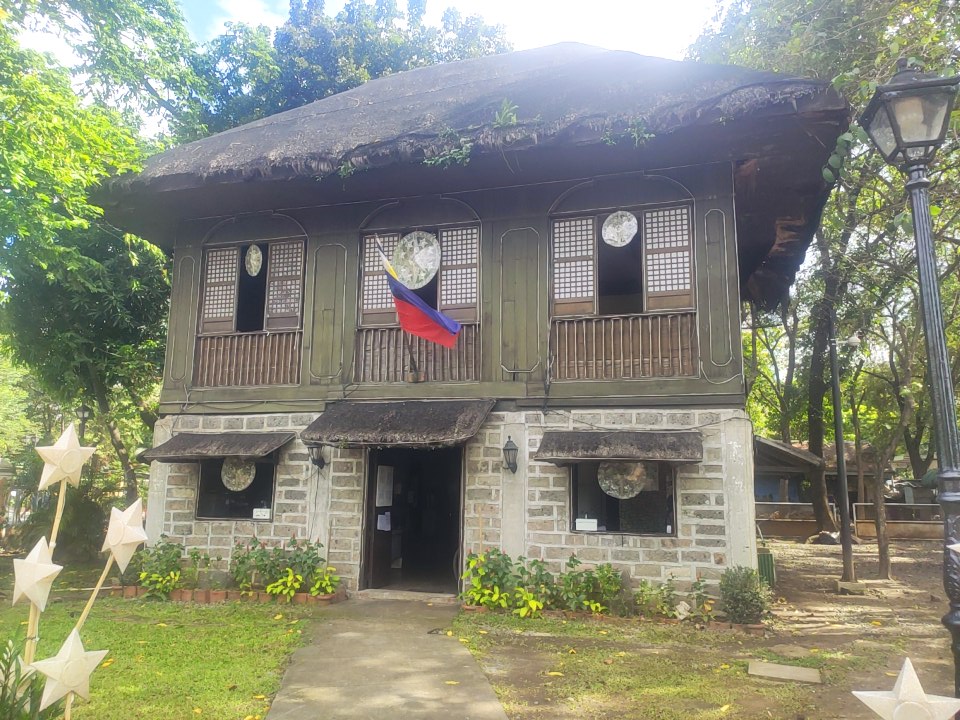
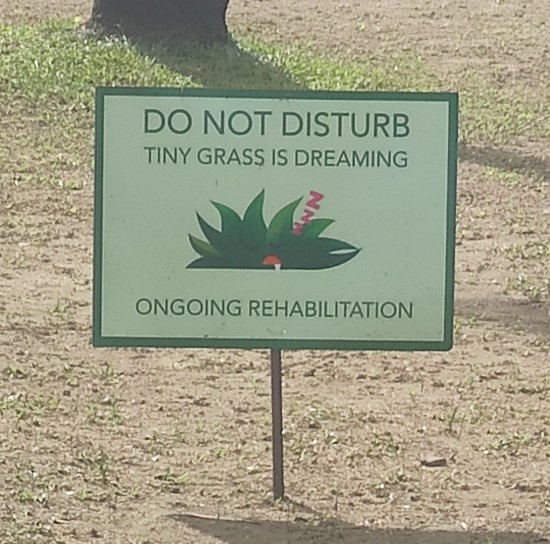
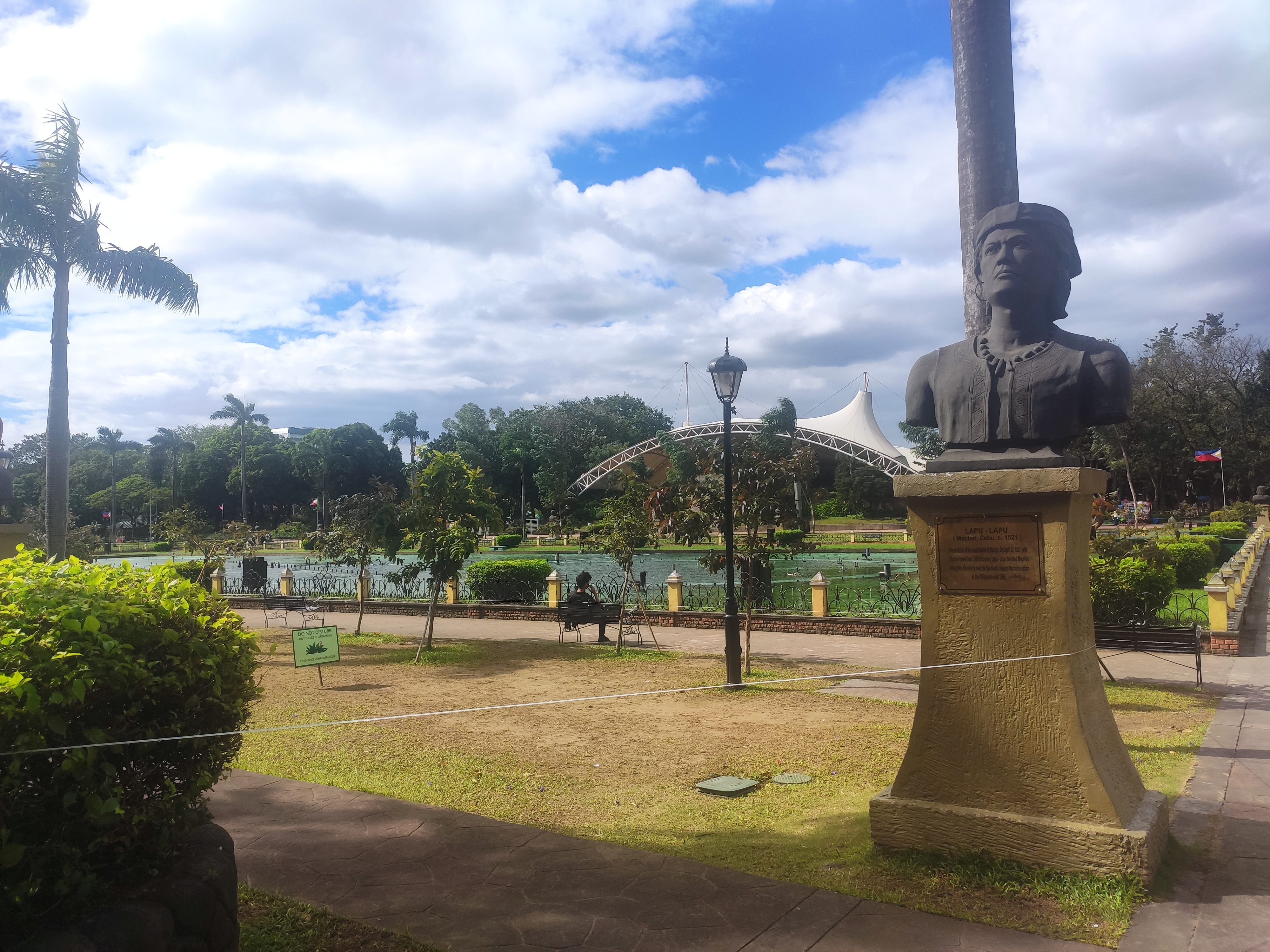
The monumental Rizal Park which includes the Natural History Museum, National Museum of Anthropology, auditorium and of course the Rizal monument itself, is considered one of the largest urban parks in the Philippines. Some areas were partially closed at the time, but that didn’t stop us spending hours here. Mainly in the Museum of Natural History!
National Museum of Natural History
Teodoro F Valencia Circle, Manila, 1000, Philippines
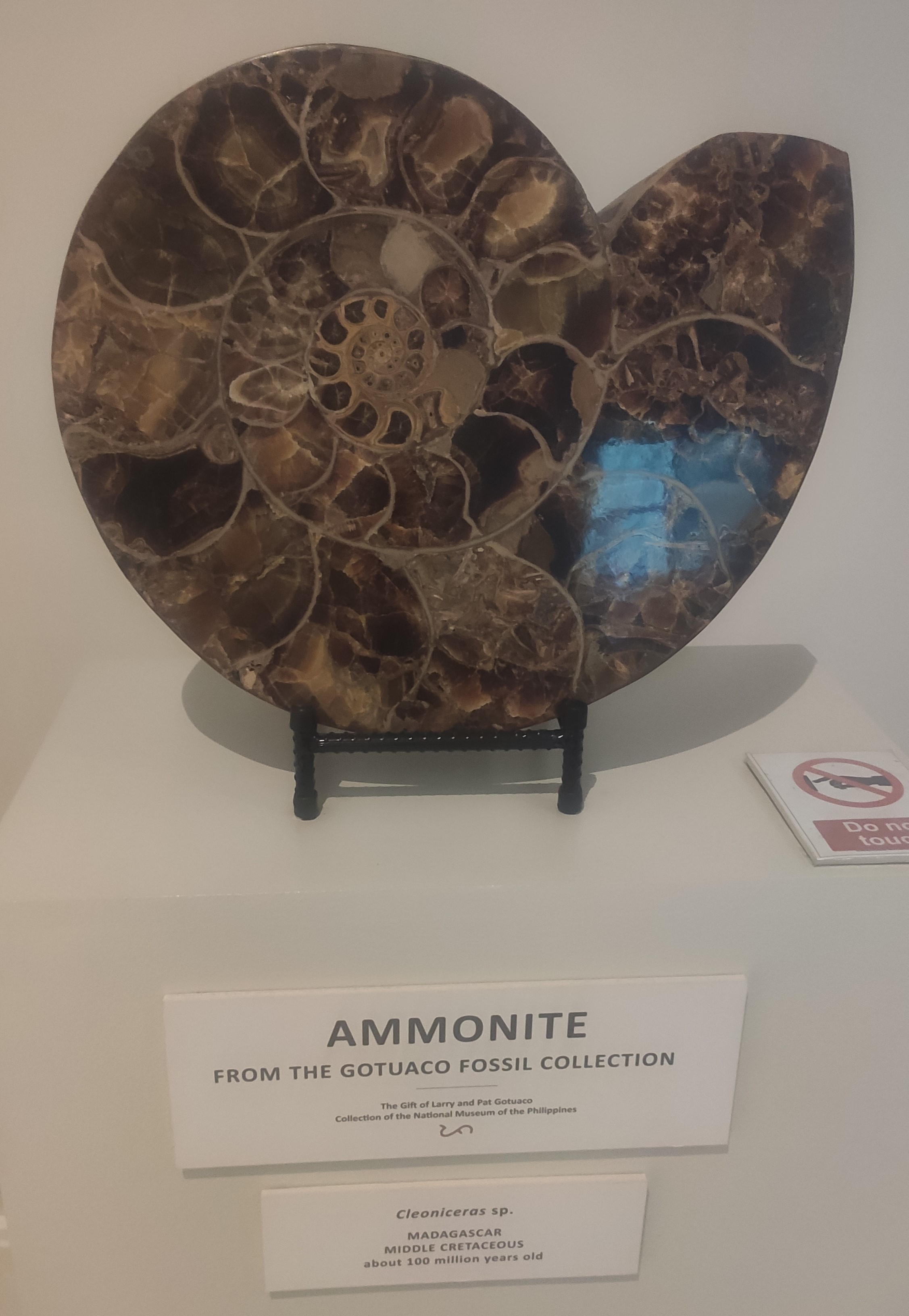
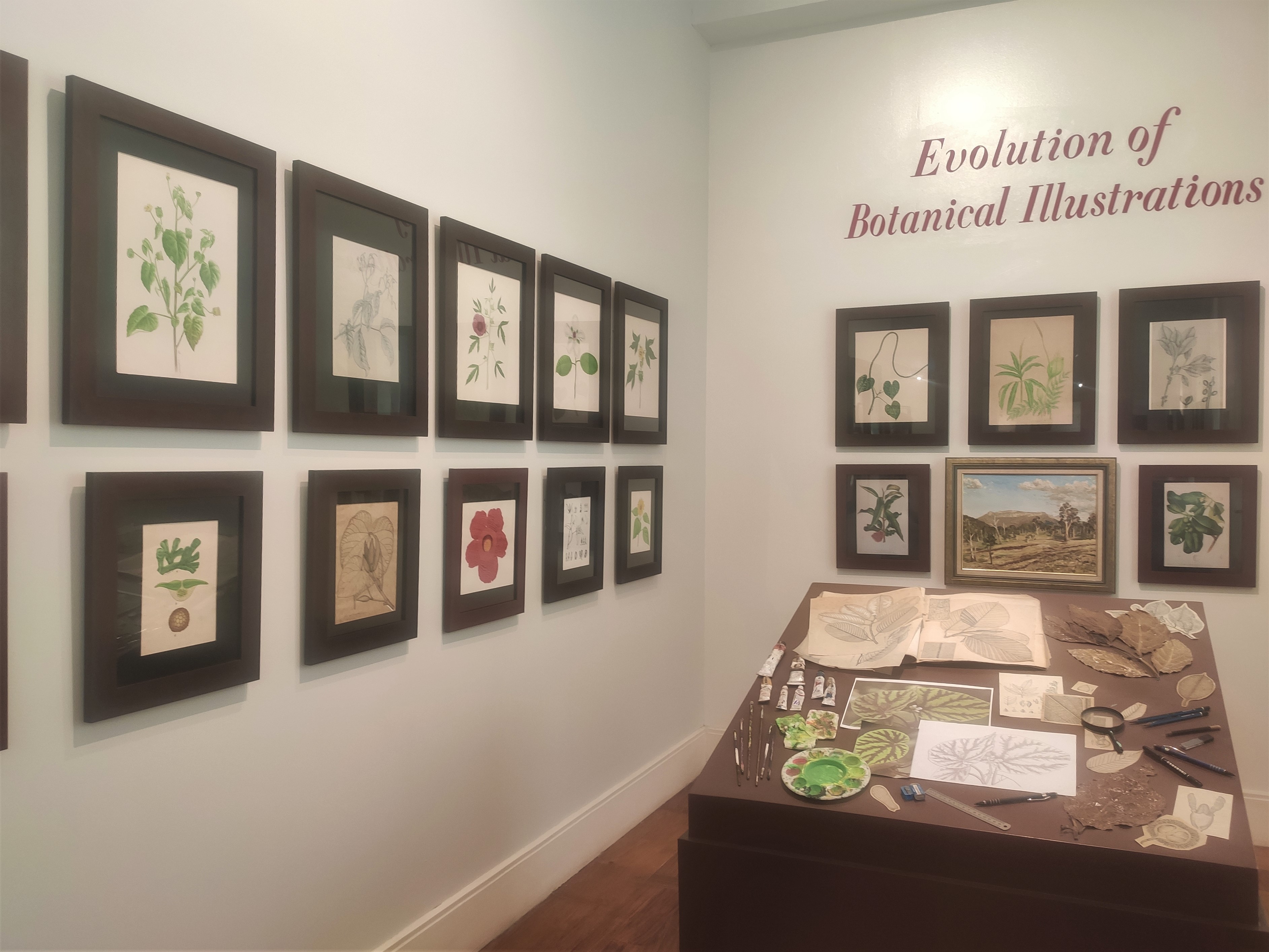
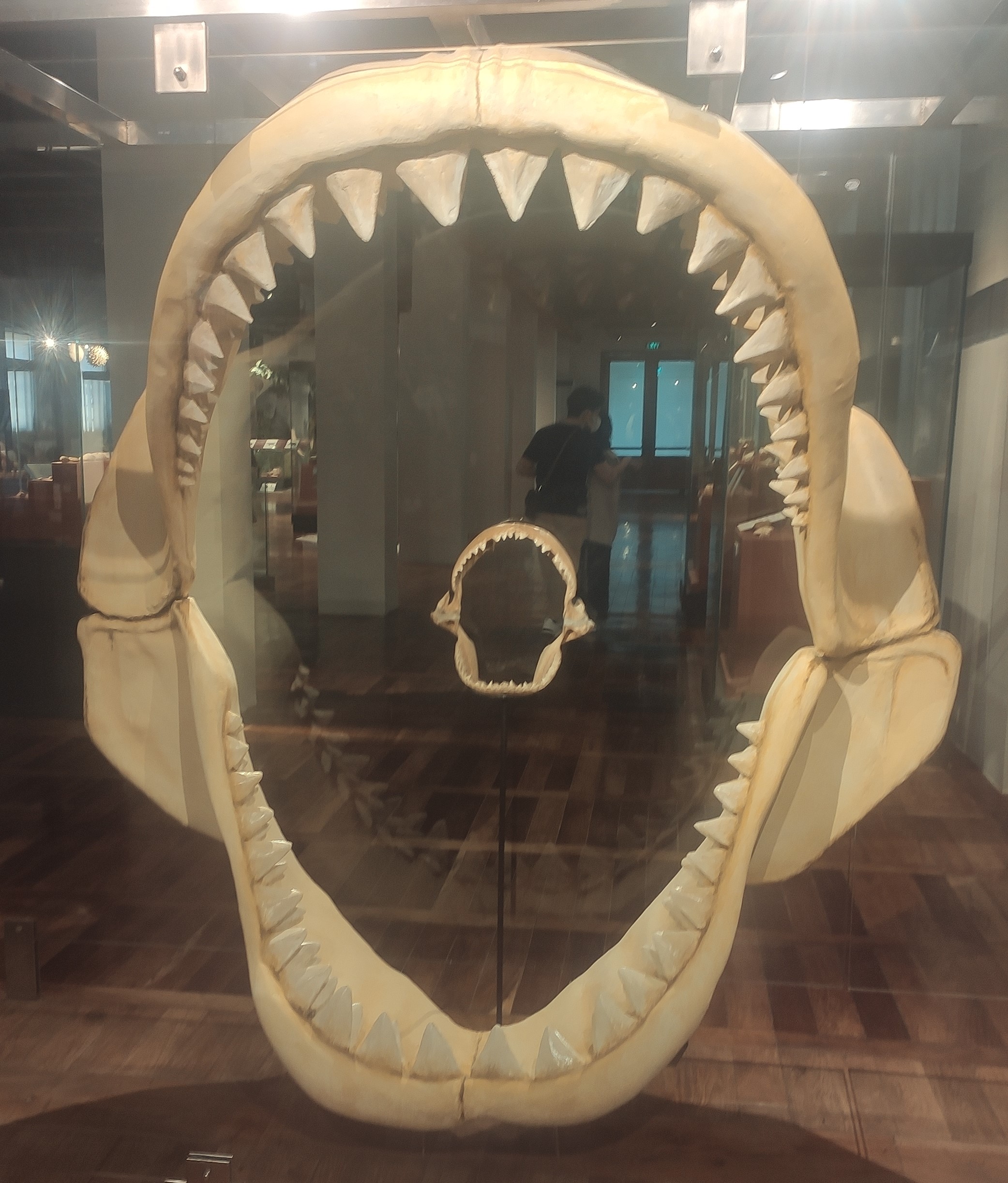
Relatively recently opened, in 2018, it houses an incredible collection. We weren’t planning on spending so much time here, we ended up spending a couple of hours here and still didn’t see all of the displays. The displays are laid out well, with English explanations as well as Tagalog. We were kept captivated by amazing ammonites, historical and contemporary painting, displays showing different habitats around the world and those unique to the Philippines and the jaw dropping Marinduque Sperm Whale skeleton who has a room all to itself so you can really take in the size and magnificence of this creature.
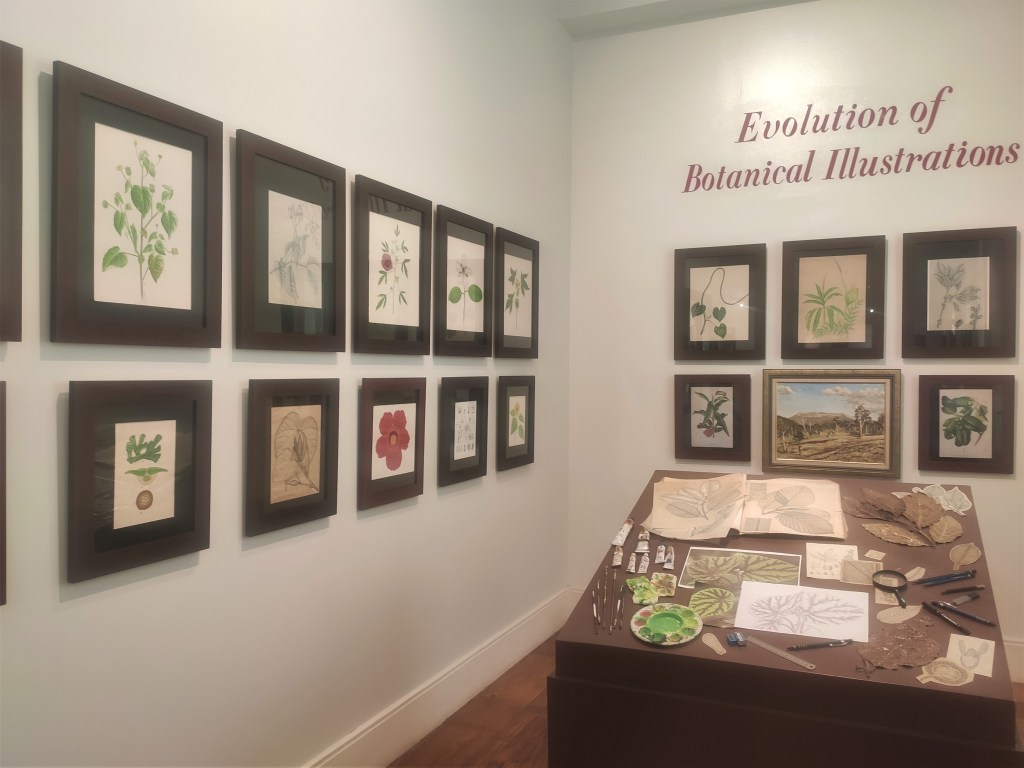
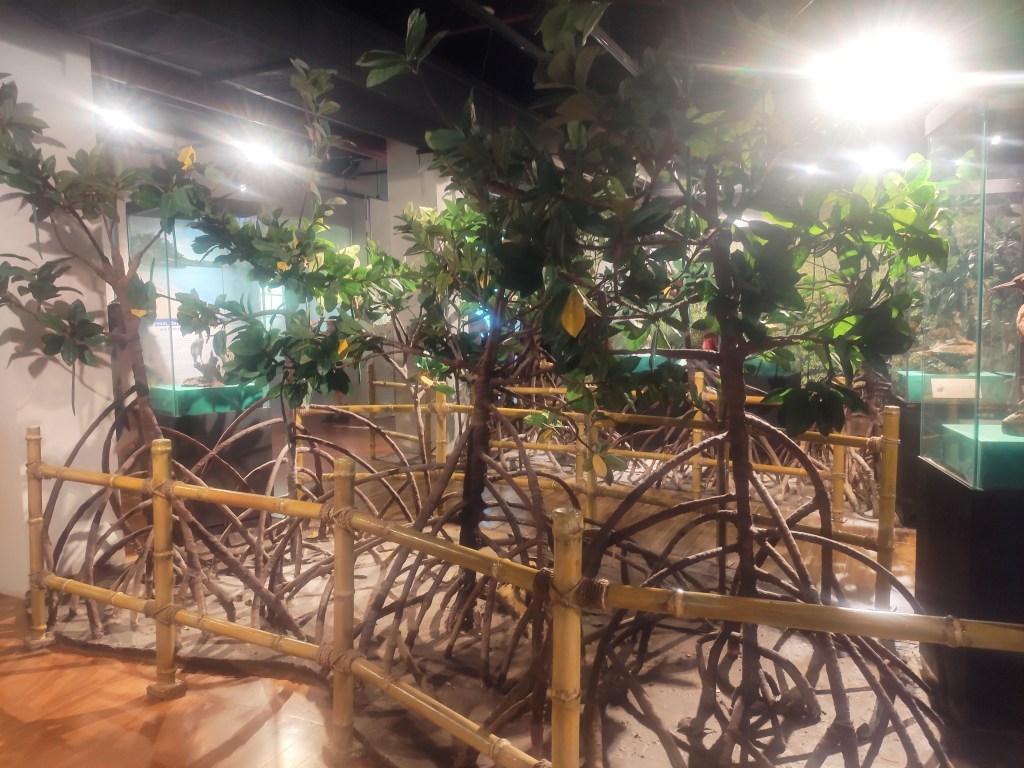

It was really fantastic to see the Philippines Natural History being championed, especially having seen, in particular, the otherworldly marine creatures in Moalboal, and passing through all the other incredible areas of beauty on our travels around the country. It was something that’s important to me to learn more to appreciate them even more, to have a proper insight into the ecosystems and specificity of the natural world of the Philippines. Well worth a visit, leave at least 3 hours! We had sore feet at the end too so leave some resting time!
Rizal Monument
Rizal Park, Manila, 1000, Philippines
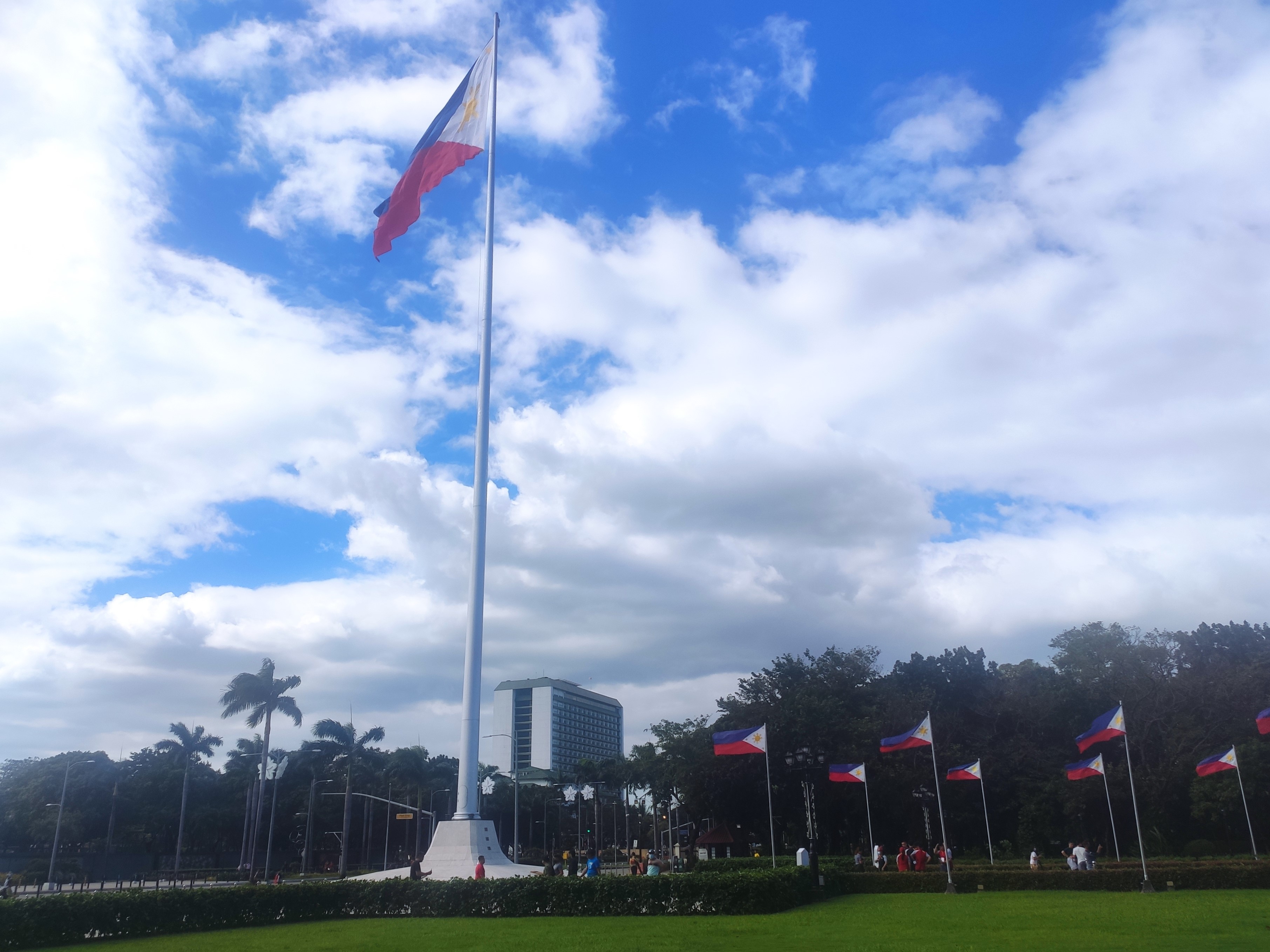
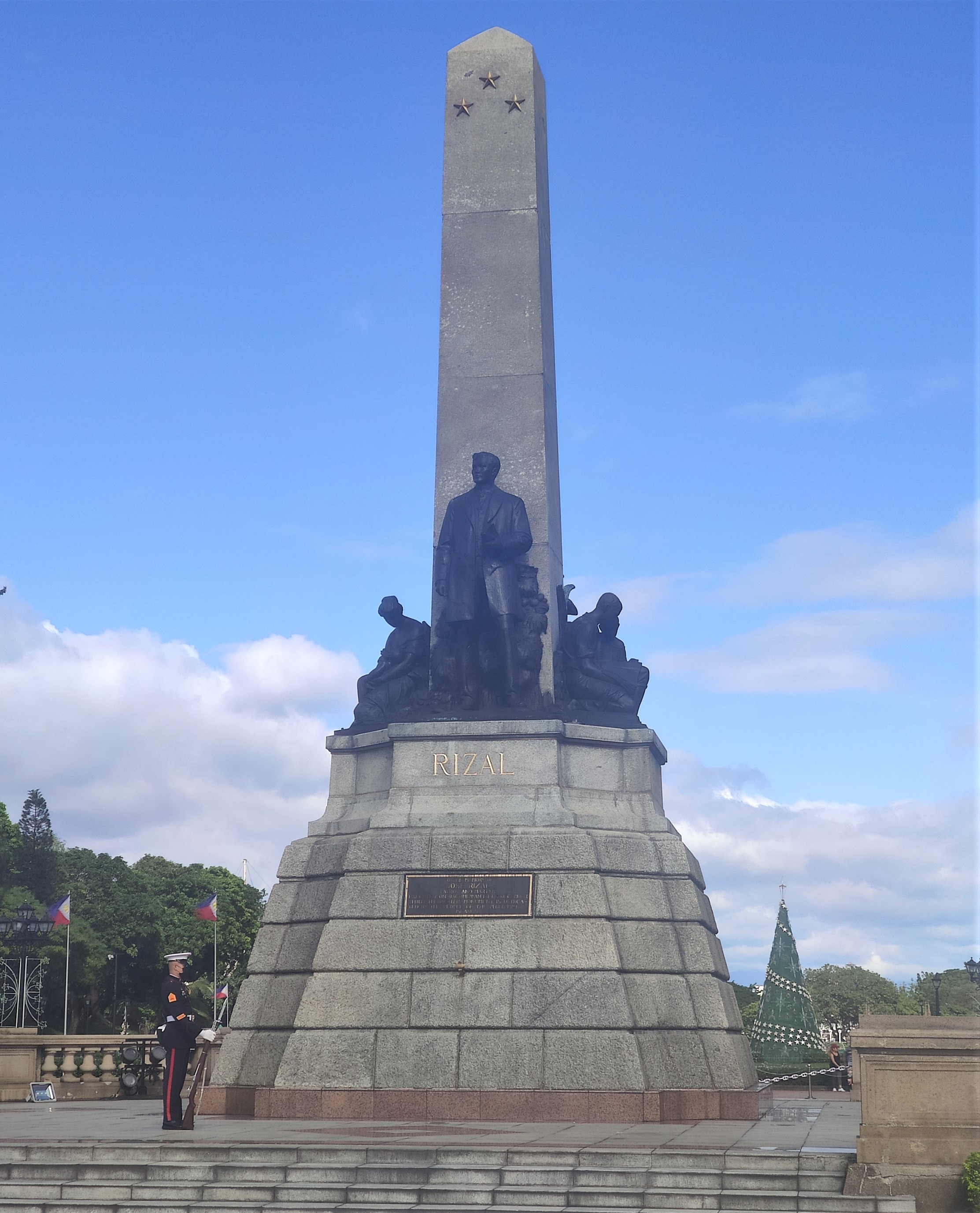
In the central section of the Rizal park, stands a stunning walkway lined with the national flag leading to the Rizal monument. This commemorates José Rizal, a national hero who was executed in 1896. This is also where his remains are kept.
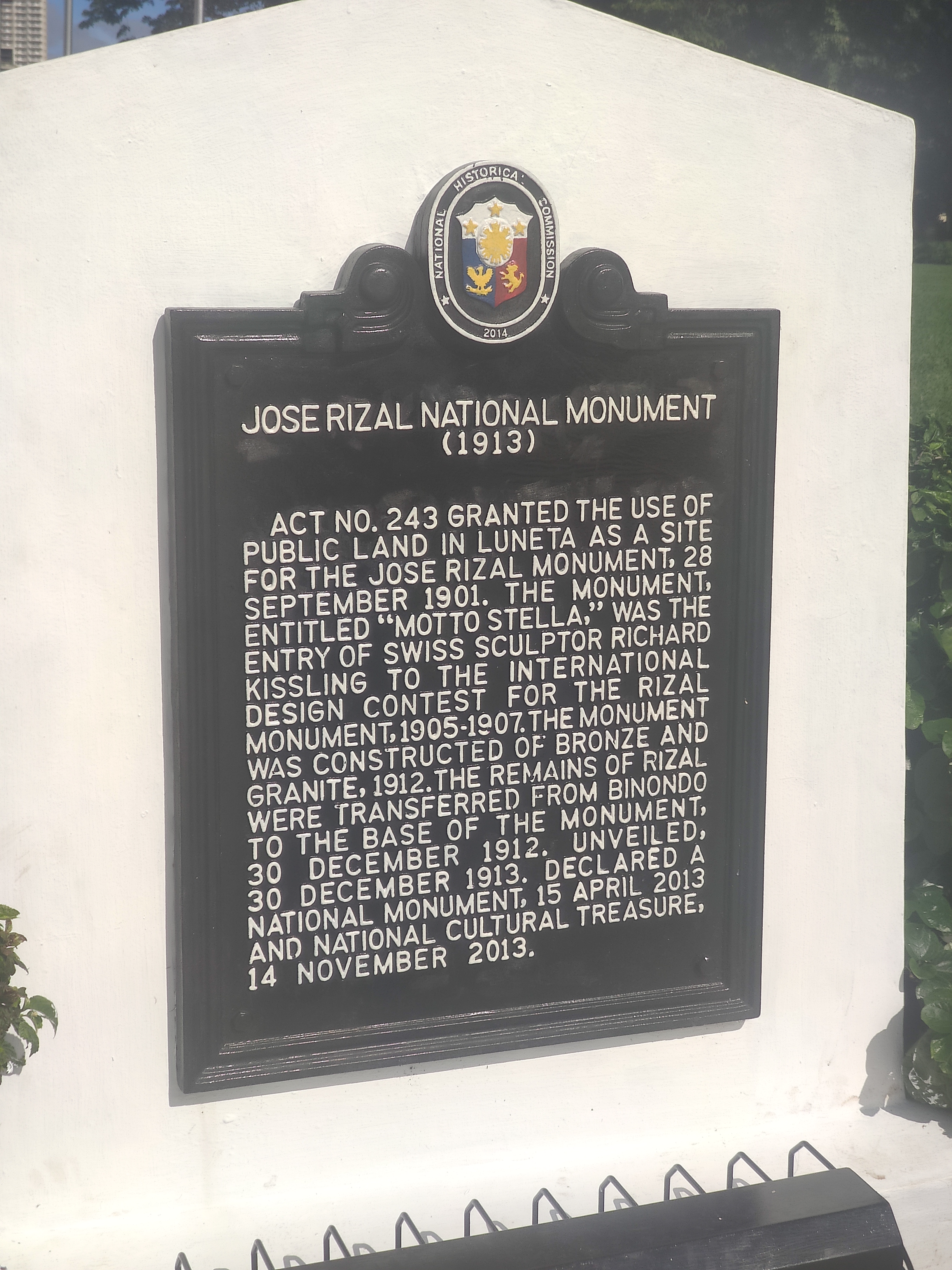
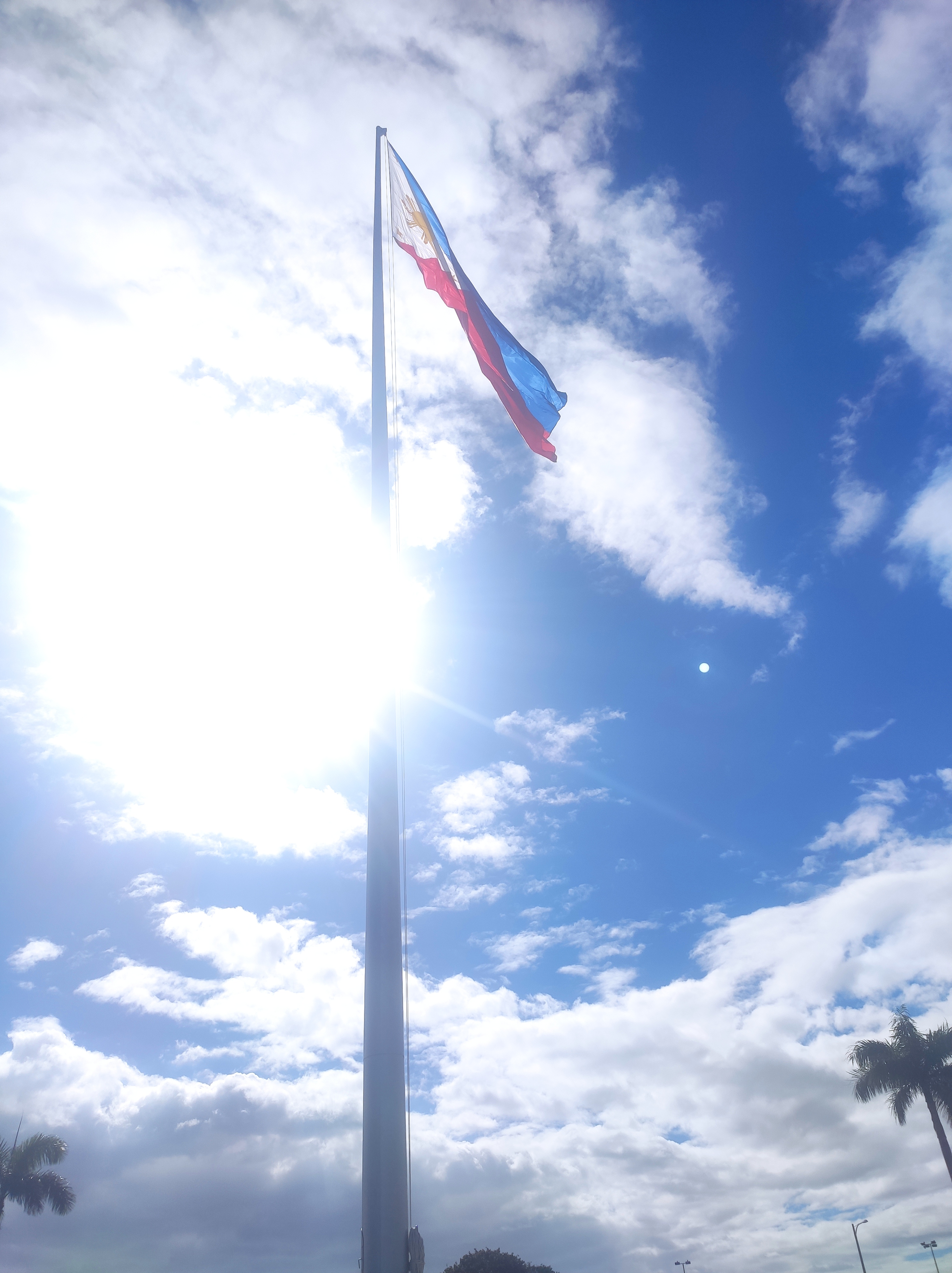
Jose Rizal is a crucial national hero in the evolution of the politics of the Philippines and its emancipation from Spanish rule. Born on 19th June 1861 and died by execution by the Spanish colonial government on 30th December 1896. A fascinating figure, José Rizal was a writer and nationalist. His books, ‘El Filibusterismo’ and ‘Noli me tangere’, exposed Spanish colonialist abuses across the social spectrum, they are said to have had a significant influence on major figures in the growing nationalist movement. Rizal desired a peaceful revolution but was ultimately executed by the Spanish authorities for ‘rebellion’. It is powerful to see this monument to such a crucial figure in a revolution against damaging colonial forces, which were crucial in leading, after some turbulent history to the full Independence of the Philippines in 1946.
The history of the Philippines is incredibly rich, gripping and interesting. For further reading I highly recommend A History of the Philippines by Luis H Francia.
Intramuros
Manila, Philippines
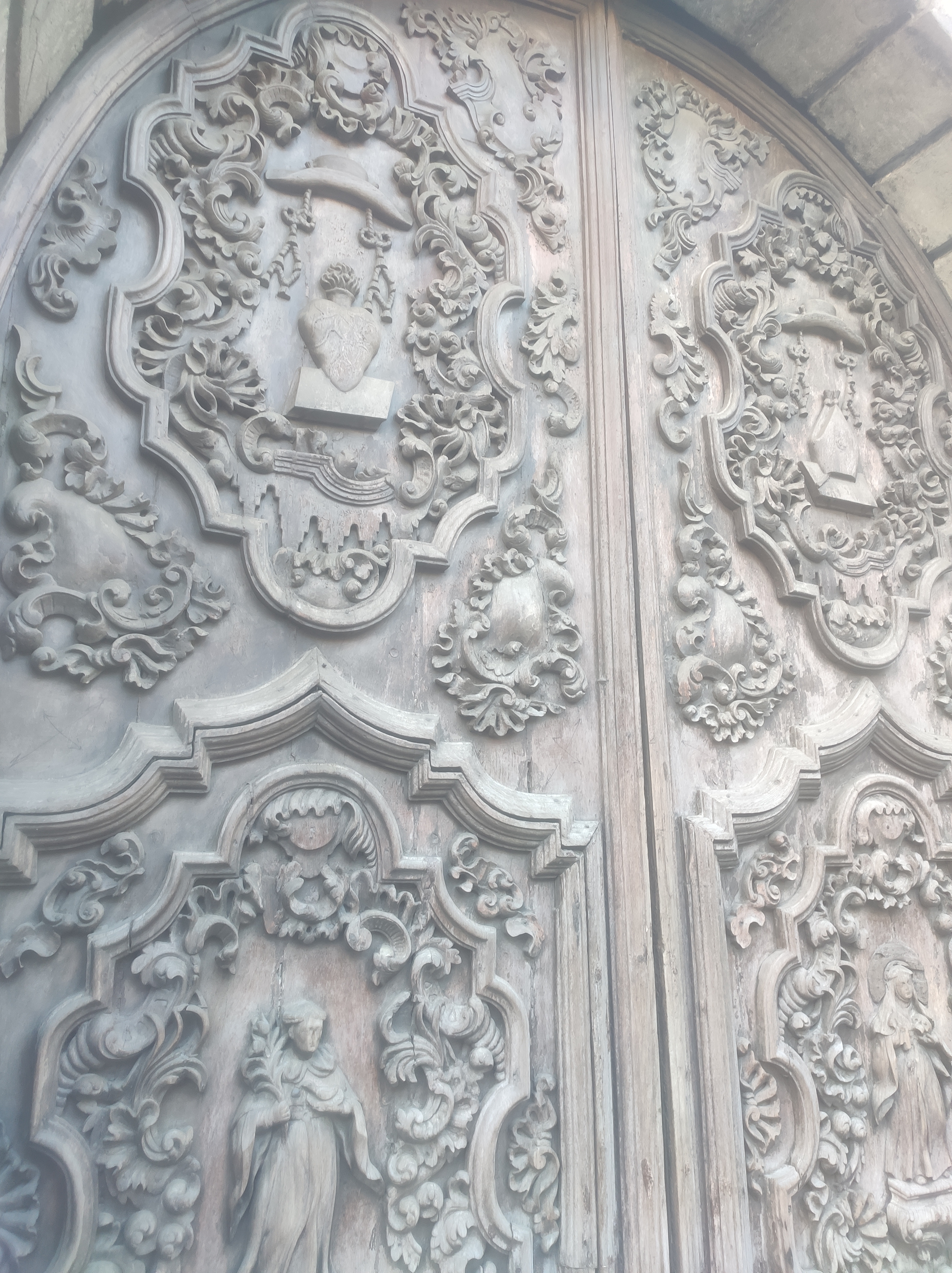
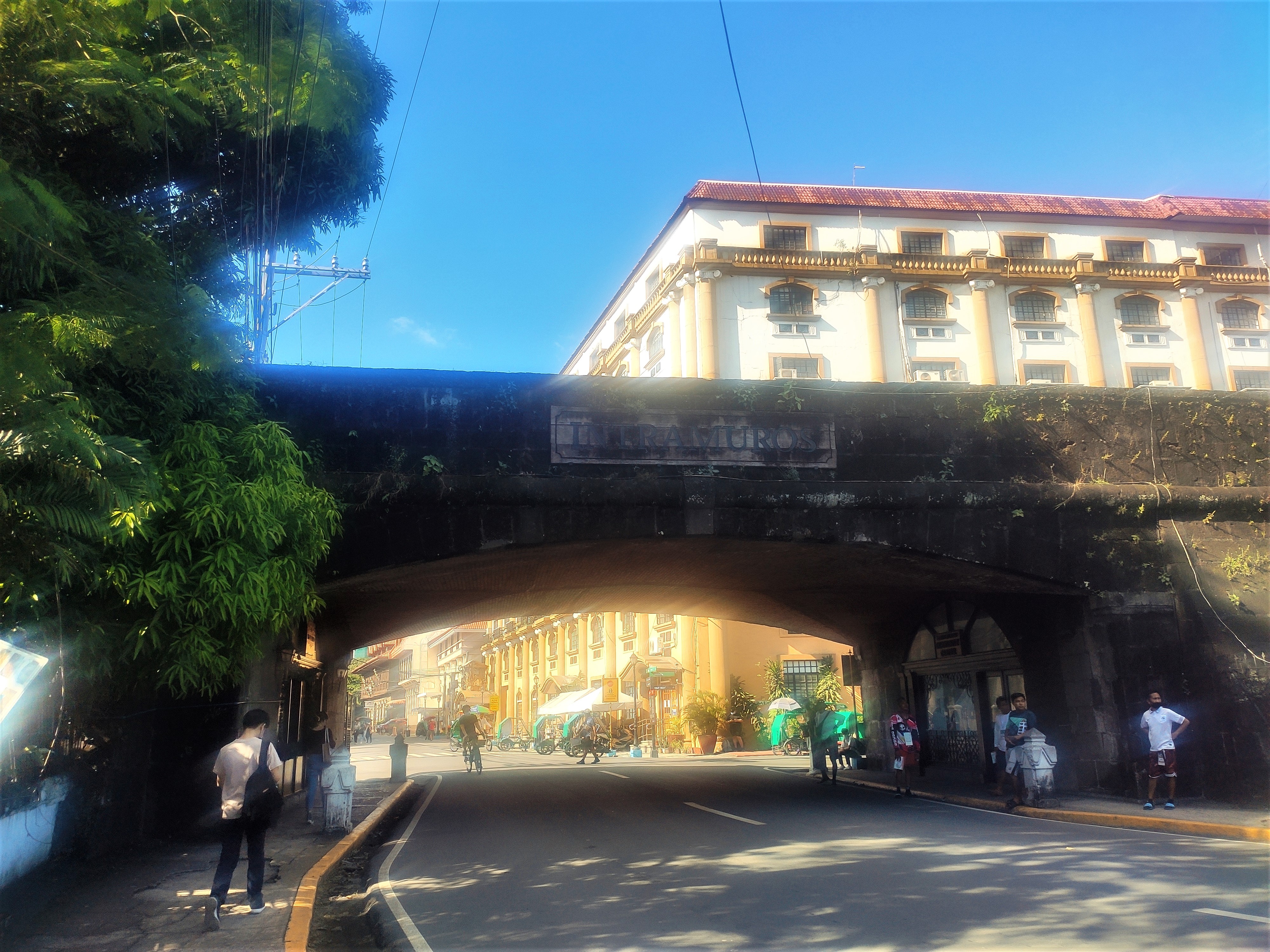
Following on from considering the Spanish colonial era, we went on ‘Intramuros’. A historic walled area in the city centre of Manila, enclosing and preserving Spanish colonial era buildings and neighbourhood. It was an area used pre-Spanish colonial era by Tagalog tribes for trading with international merchants before the Spanish came. Alot of history is packed in these walls and this area, and it’s interesting to see how it is still a bustling area still today. The buildings were undoubtedly beautiful.
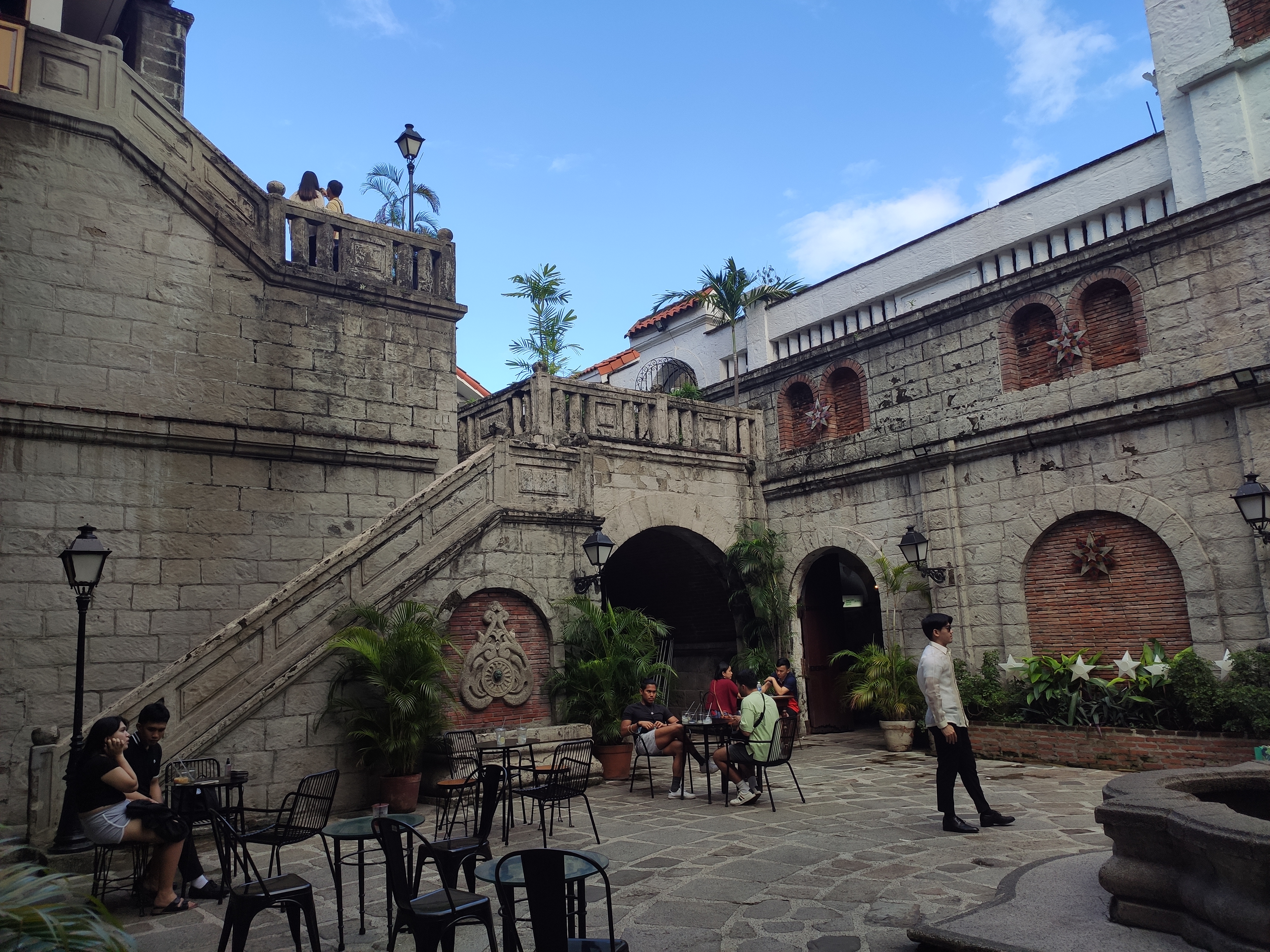
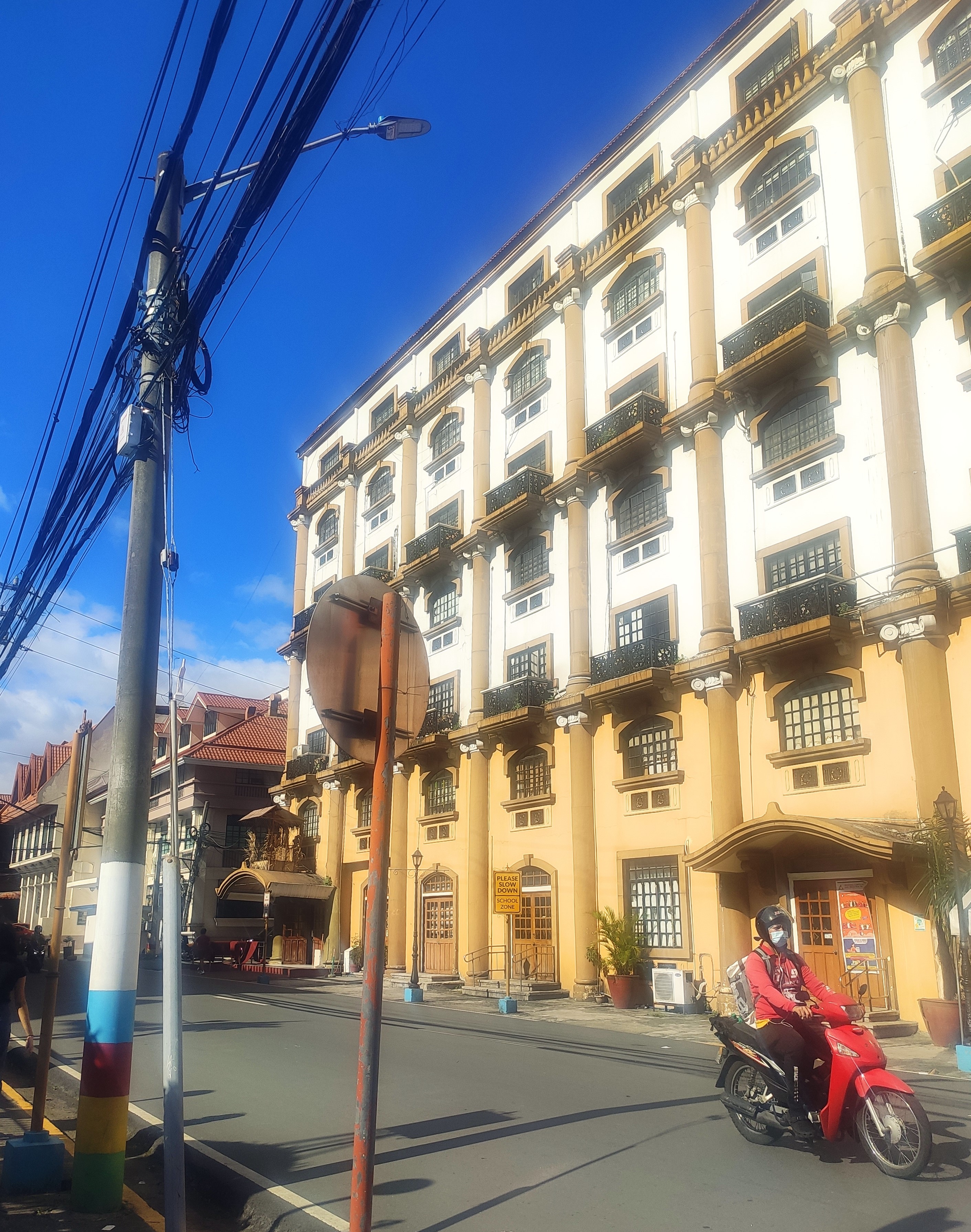
It was interesting, as we both had different reactions to this. He particularly was disappointed, especially as one of the buildings was being used as a Starbucks, which he felt was irreverent to the history of Intramuros. I thought it was interesting the buildings being used for different things, the cathedral in particular had a wedding going on that day. If we went again we would have done things a little differently, booking either a cycle tour on bamboo bikes – these looked incredible, but booked up in advance, or we discovered there is a street tram which gives a tour around the streets. These would have given us more context and a sense of what to see there. Both have to be booked in advance – the street tram tour has to be booked 5 days in advance.

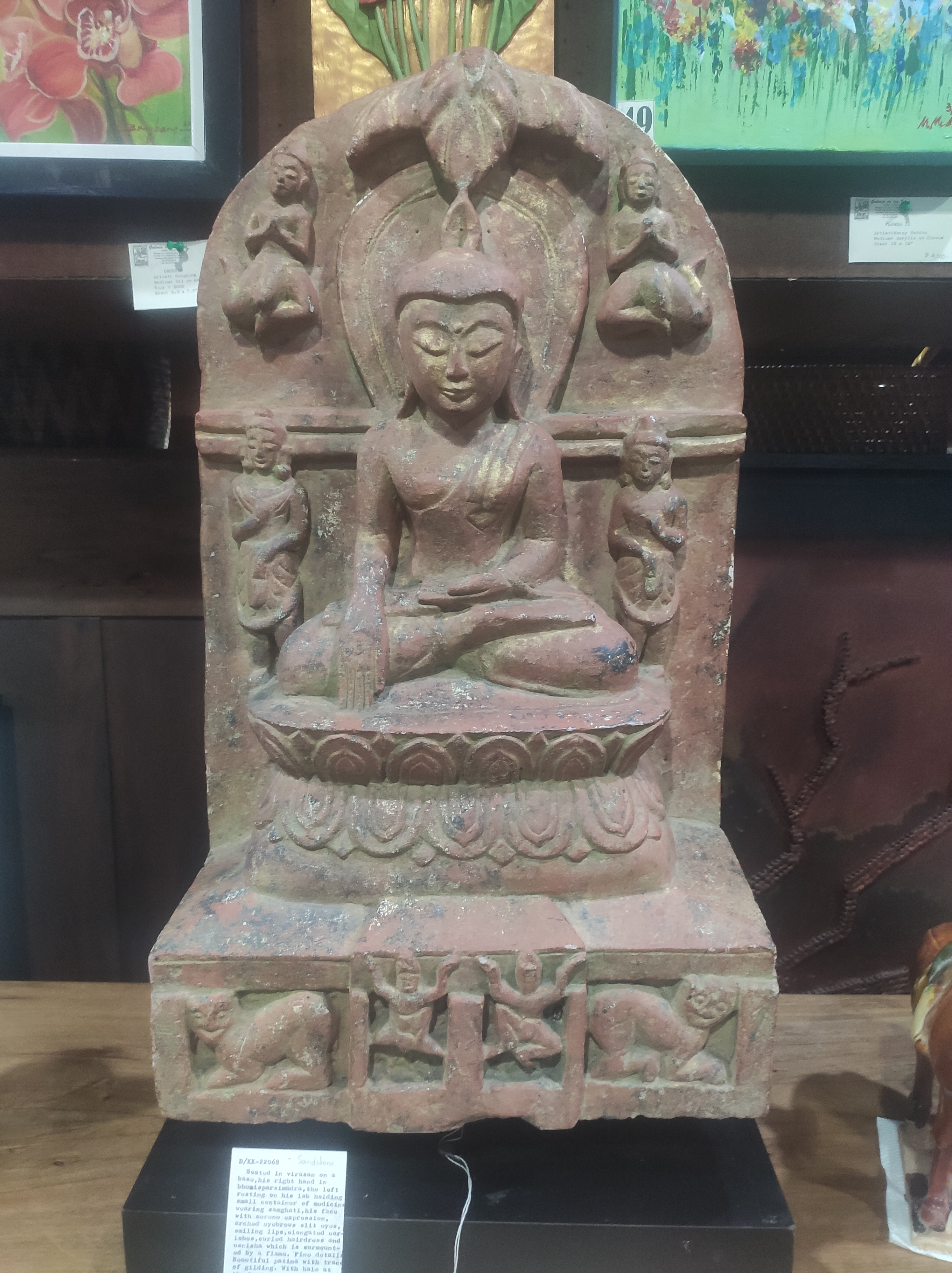
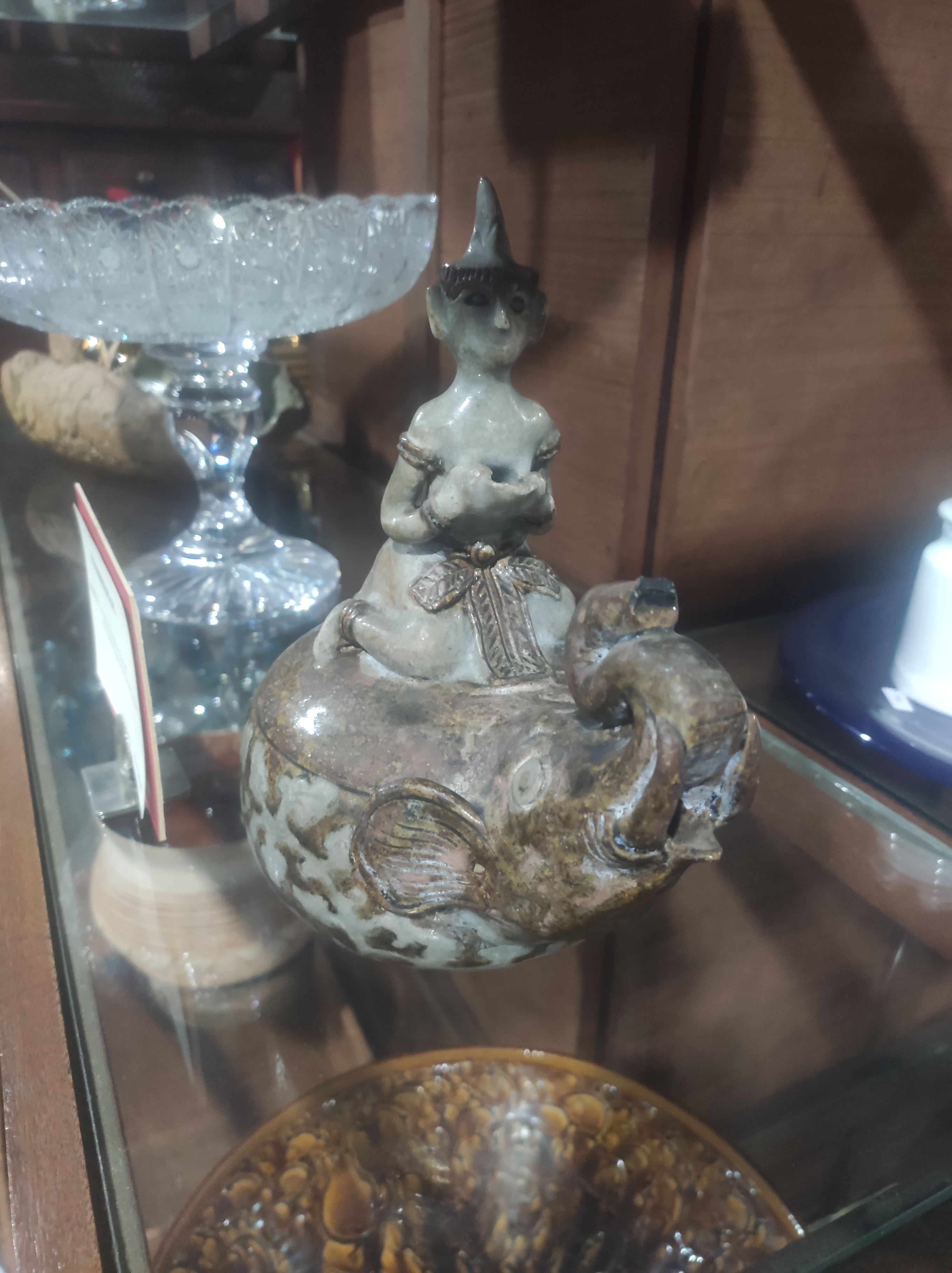
One incredible place we discovered was the Silahis Centre, an antique centre with multiple floors, packed with antiques and craft from the Philippines and abroad. Items were arranged by location and it gave us a flavour of history and cultures too.
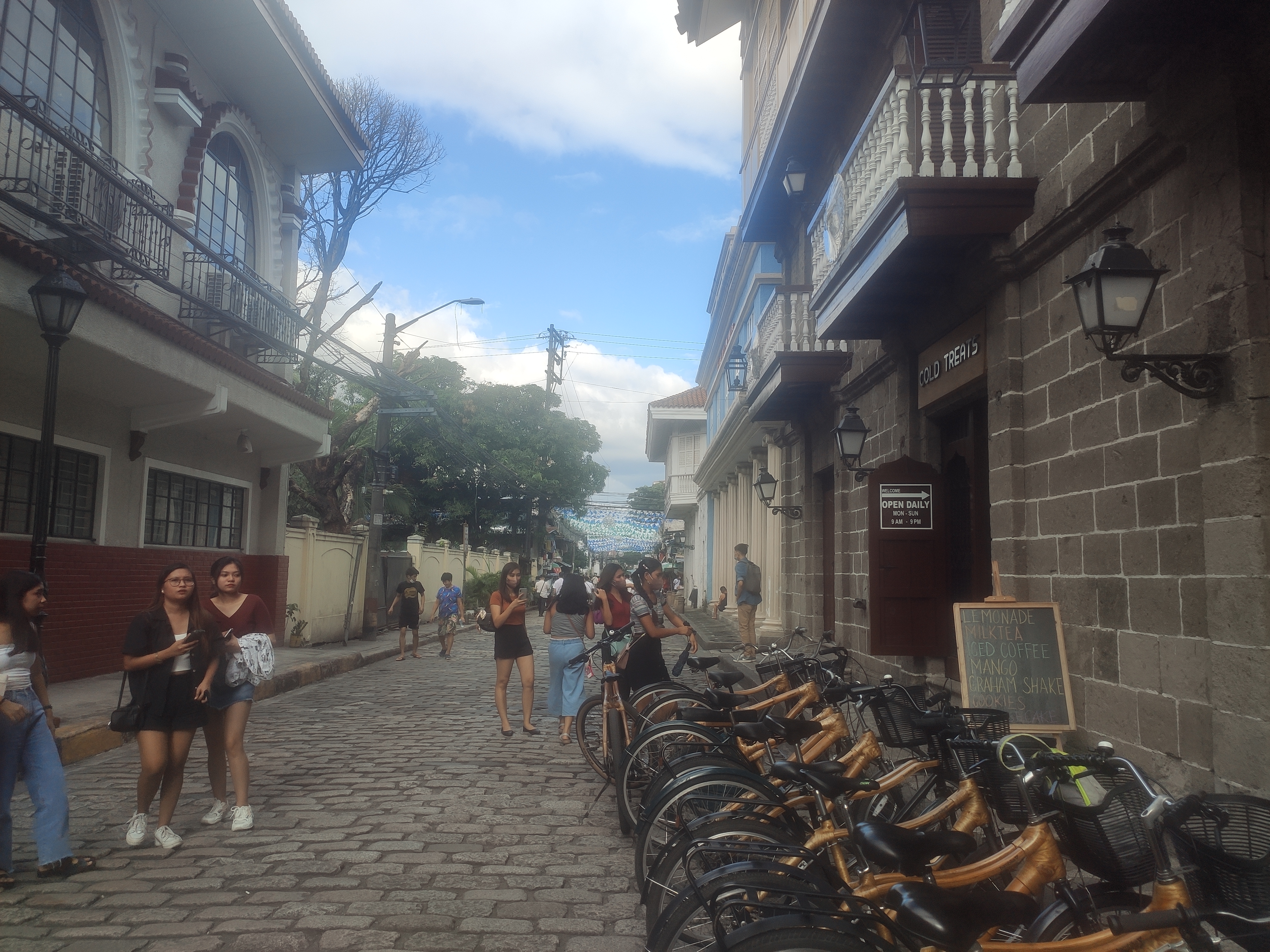
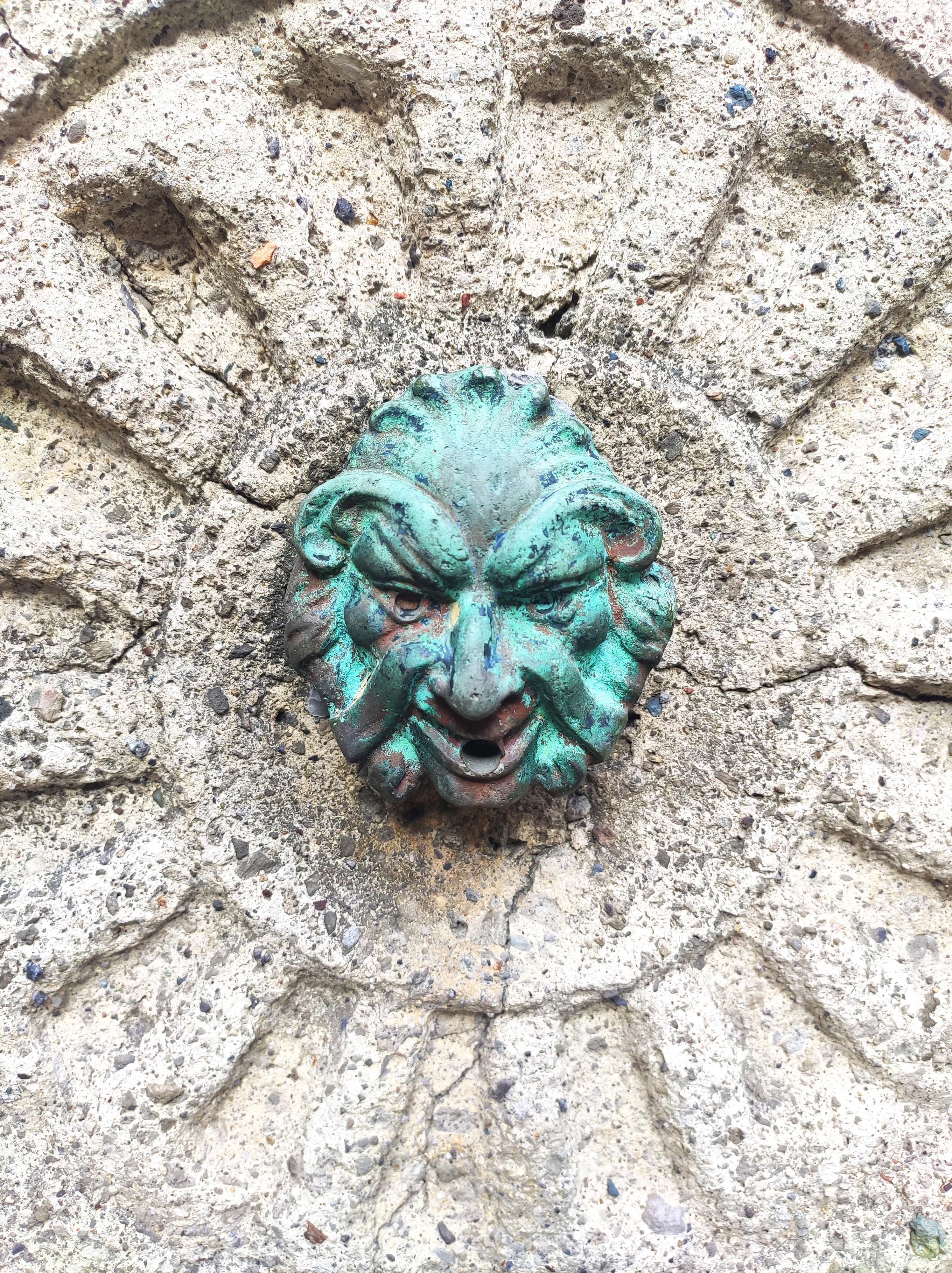
In hindsight, we would have booked in advance for a tour of Intramuros and possible done this on a different day to Rizal Park and the National Museum of Natural History as we had walked around a lot by the time we went to Intramuros. I definitely feel like I missed something out here, and hope to revisit with a more organised itinerary!
Follow The Greedy Herbivore on Instagram and Facebook to keep up with my latest blog posts, reviews and ramblings, or follow through WordPress to receive notifications of new posts direct to your inbox.
 The Greedy Herbivore