
13th – 16th March 2023
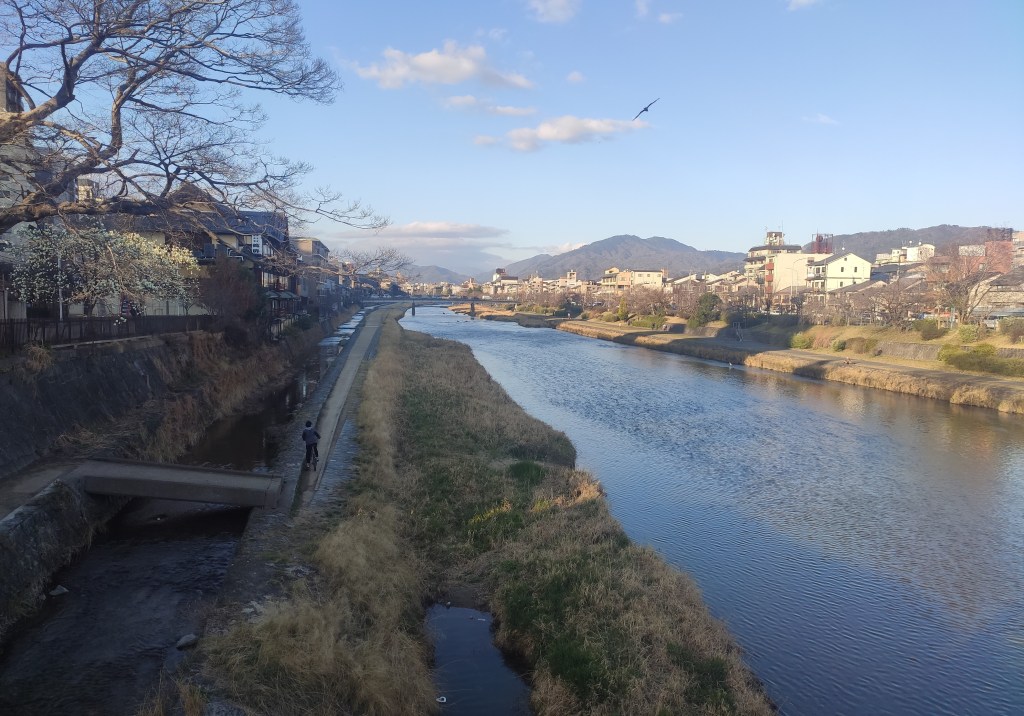
After a long journey from Dublin, we finally arrived in our first destination, Kyoto, the old capital of Japan. We found our hotel soon enough, a 20 minute walk from the station.
Where we stayed: Hotel Tavinos
612番地 Azuchicho, Shimogyo Ward, Kyoto, 600-8040, Japan
Approx €38 a night

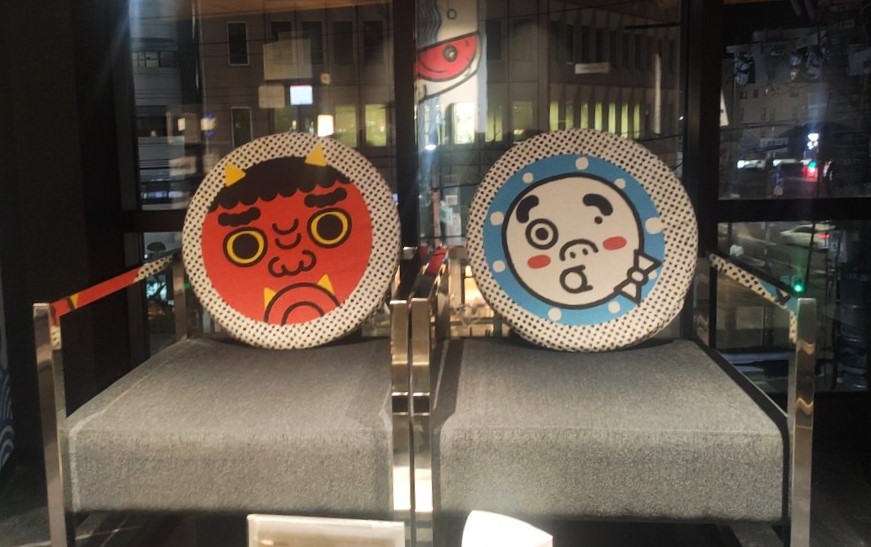

Hotel Tavinos is a small chain of delightful, colourful hotels, describing themselves as a ‘manga hotels’. Illustrations adorn the walls and furniture, giving a unique novelty to your stay. We were welcomed by friendly staff who helped us use the digital check in machine. In the reception area there is a kitchen with hot water for coffee and some fridges, a laundry room, and places to sit and relax, with manga graphic novels to read and one can buy local beer to enjoy whilst you’re there.
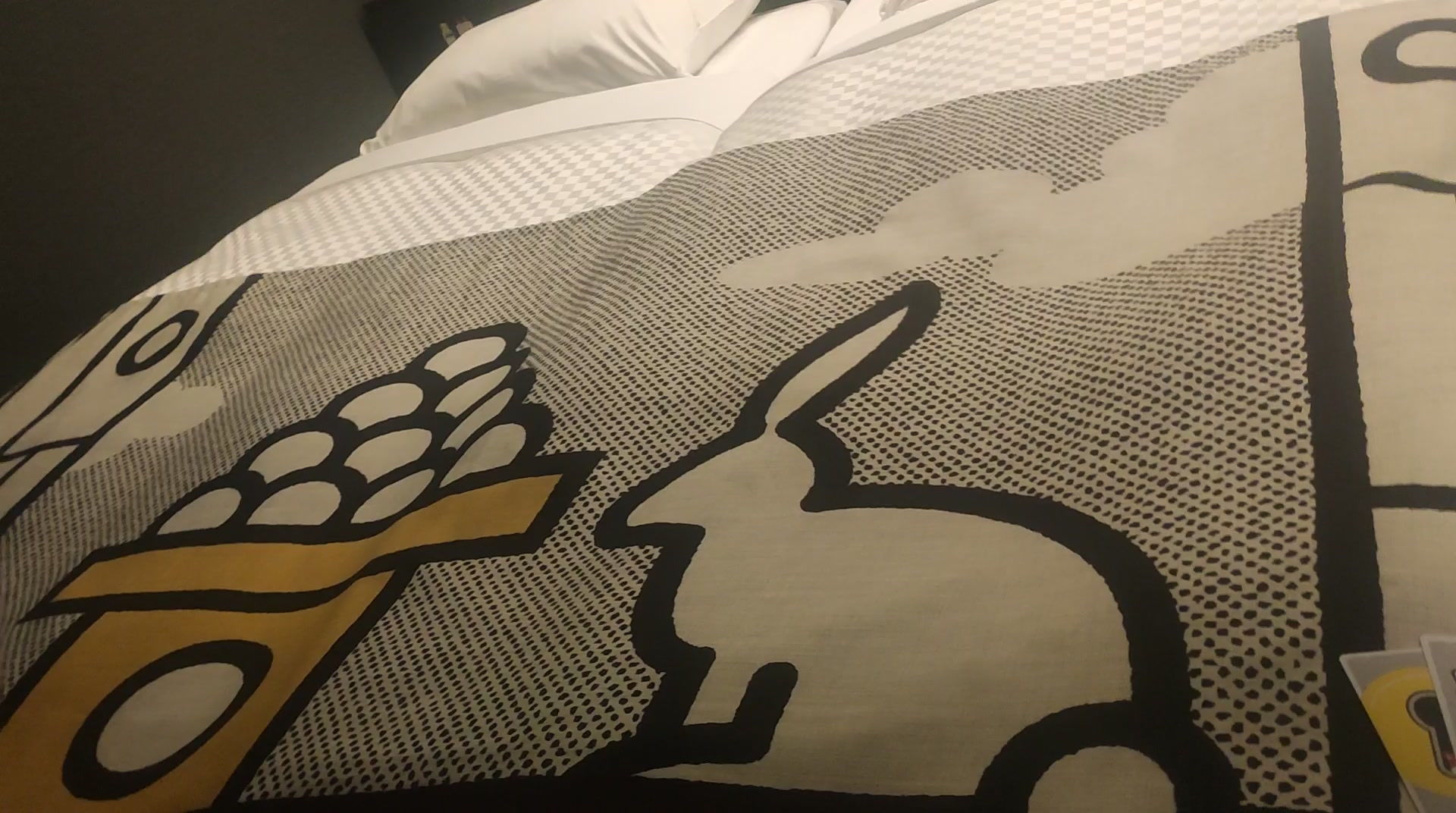

Inside the room, the decor followed the manga theme
Our room was cosy and clean. A raised platform that held a futon style bed was by the window with a manga illustration of a rabbit and there was a low table and cushions next to the bed. The bathroom was sparkling clean, with a brilliant Japanese toilet and a comfortable shower.
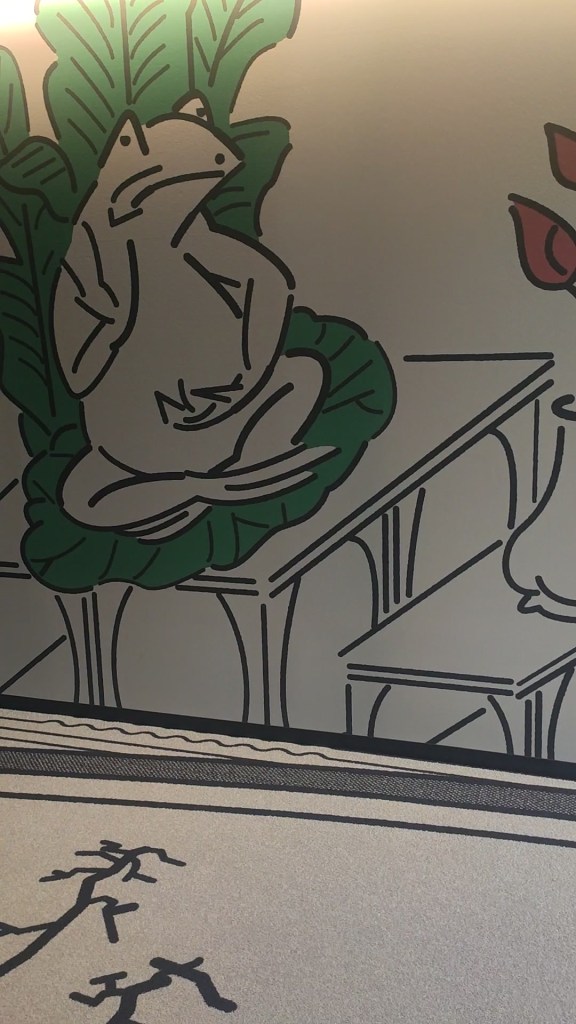
It is in a good location, close to Rokuharamitsu-ji Temple and walking distance from the Higashiyama area and Kyoto station. I’d definitely stay here again.
Rokuharamitsu-ji & Kennin-ji
Rokouharamitsu-ji, 81-1 Rokurocho, Higashiyama Ward, Kyoto, 605-0813, Japan
Kennin-ji, 584番地 Komatsucho, Higashiyama Ward, Kyoto, 605-0811, Japan
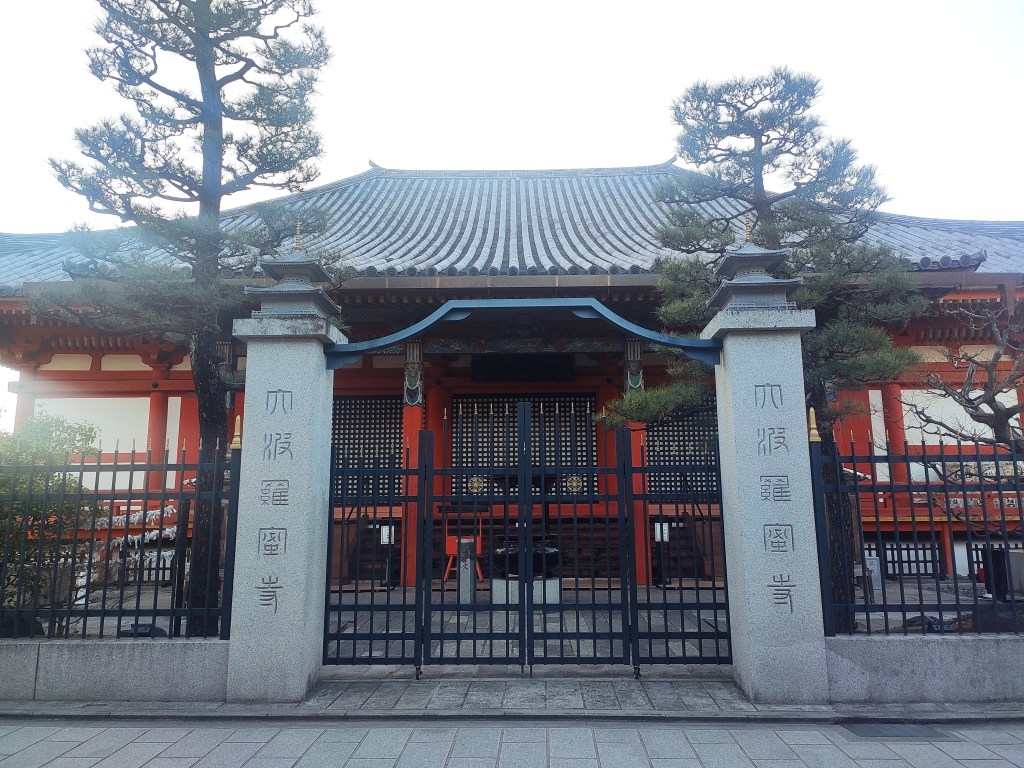
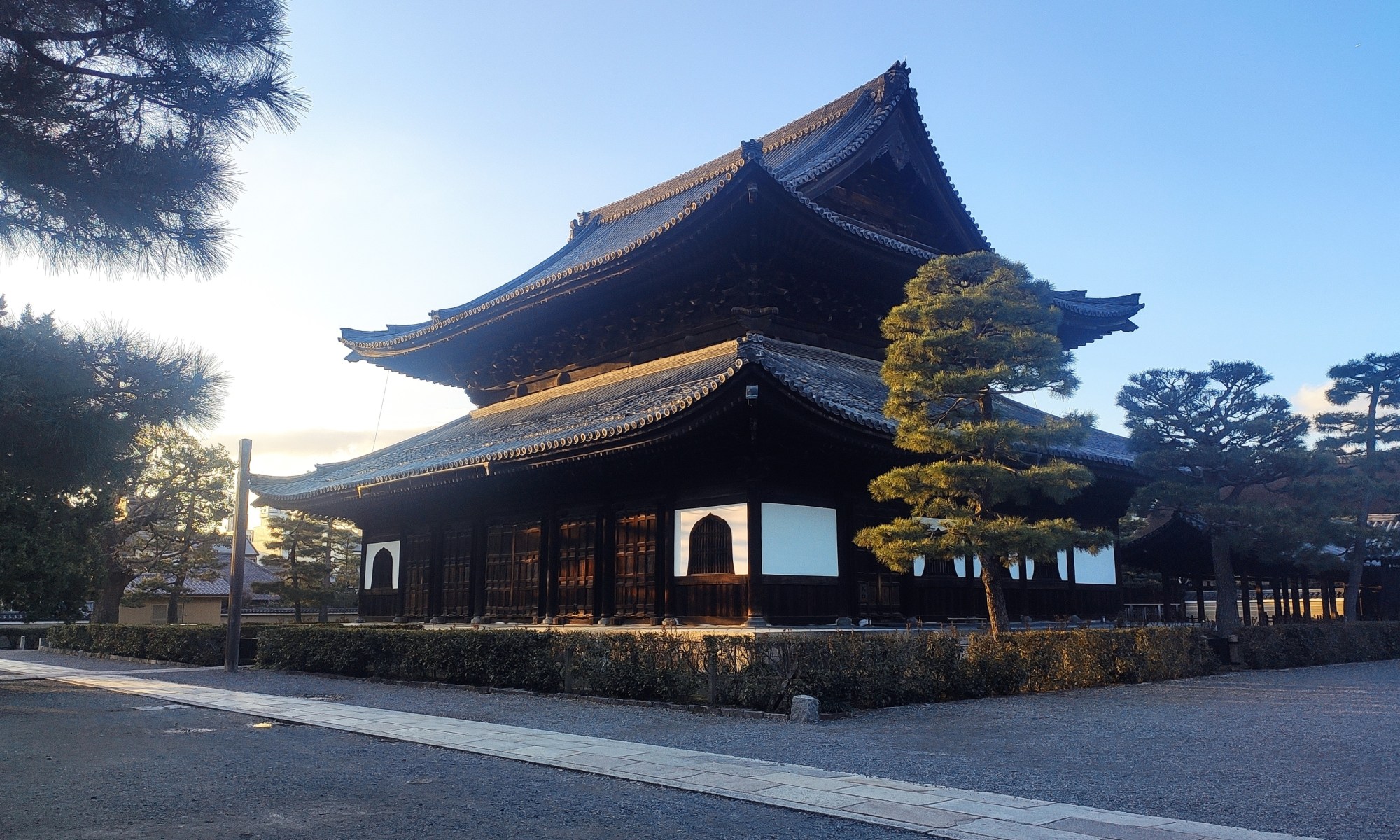
As we wandered towards the Gion area, of Kyoto, we passed by the beautiful Buddhist Rokuharamitsu-ji temple. Originally built in 951, by a monk named Kuya, known among the poor of the area, and for dancing with joy whilst chanting to Amida Buddha. The main hall was destroyed and rebuilt in 1331 and most recently renovated in 1961. The park is also home to the Rokuhara Tandai – dating from 1221, this was the post of the chiefs of the Kamakura shogunate, who took care of security in Kyoto in that period.

The name of the temple is thought to derive from the ‘six paramitas’ – which are qualities associated with enlightened beings. A beautiful and elaborate building with two beautiful trees flanking the pathway. It seems this temple has a fascinating history and much more to explore inside too. The architecture just from the outside was stunning and beautifully preserved with paintings of colourful dragons along the upper beams visible from the path.
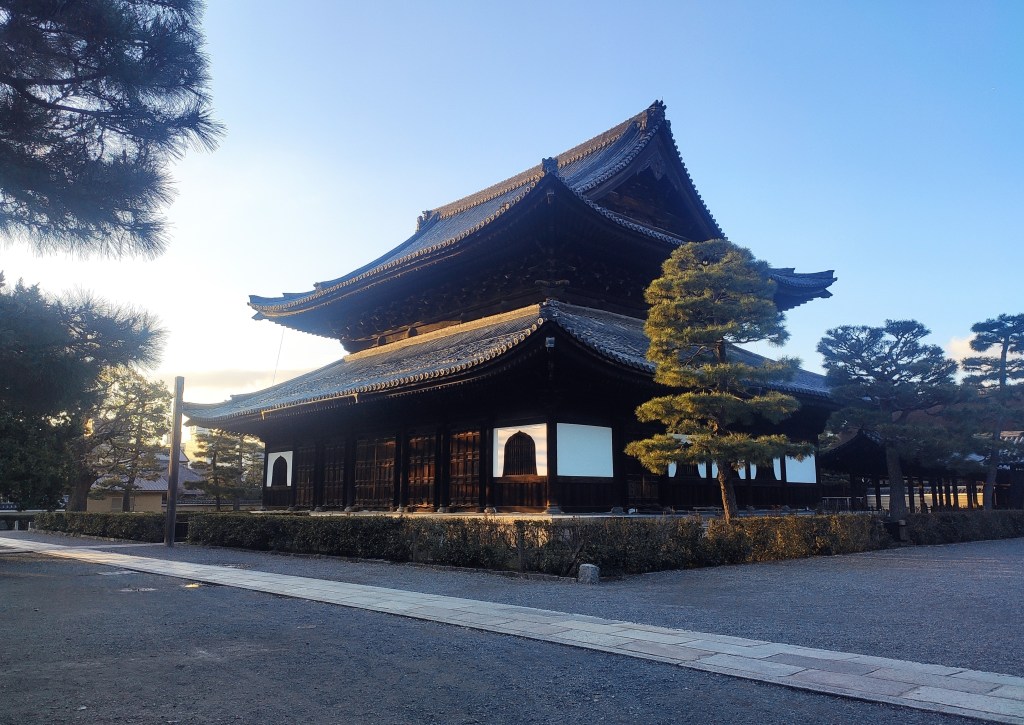
As we continued our walk towards Higashiyama, we came across a serene park, where another ancient temple, Kennin-ji, is. Said to be the oldest Zen Buddhist temple in Kyoto, Kennin-ji came into being in 1202 CE.
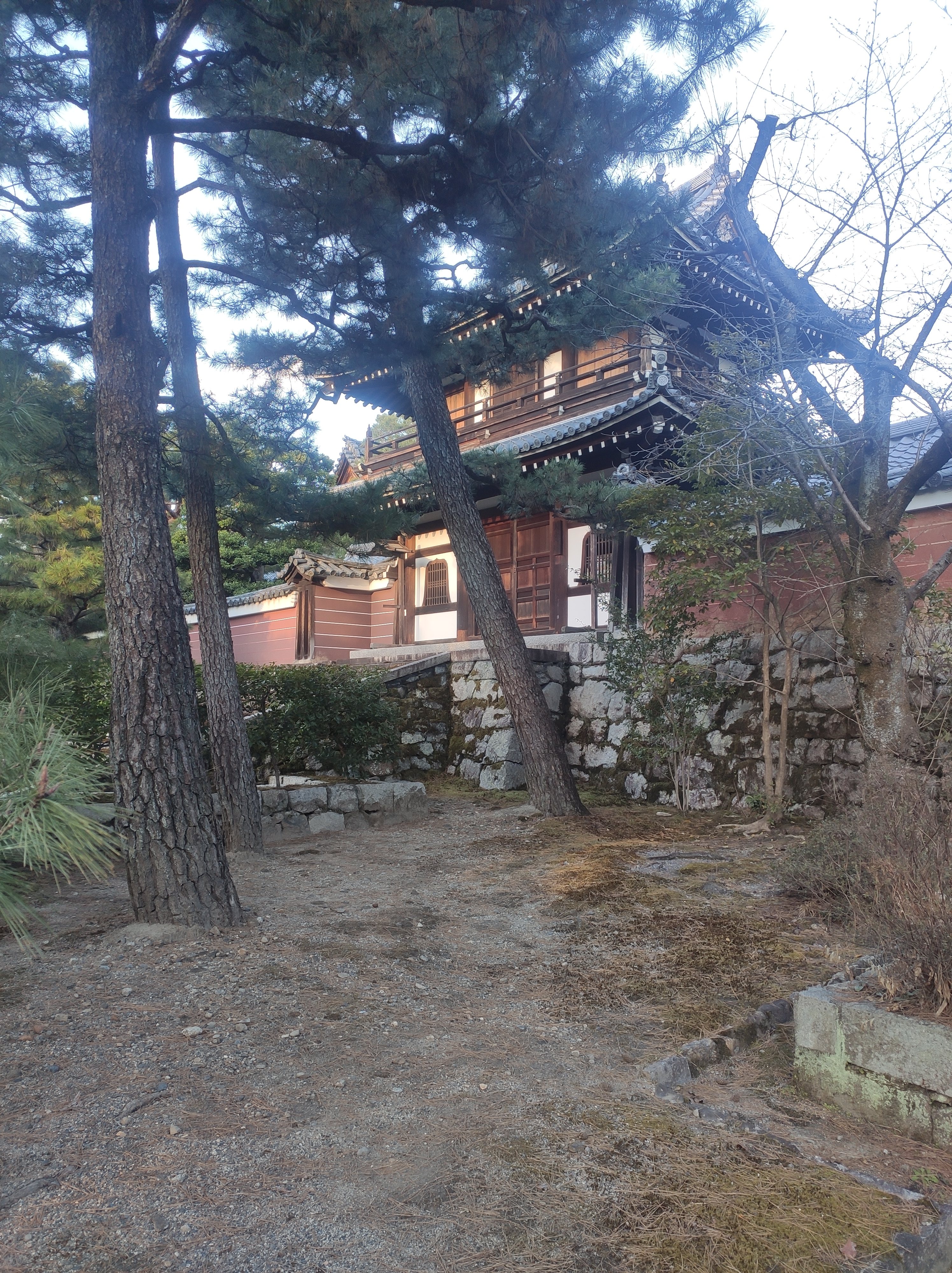
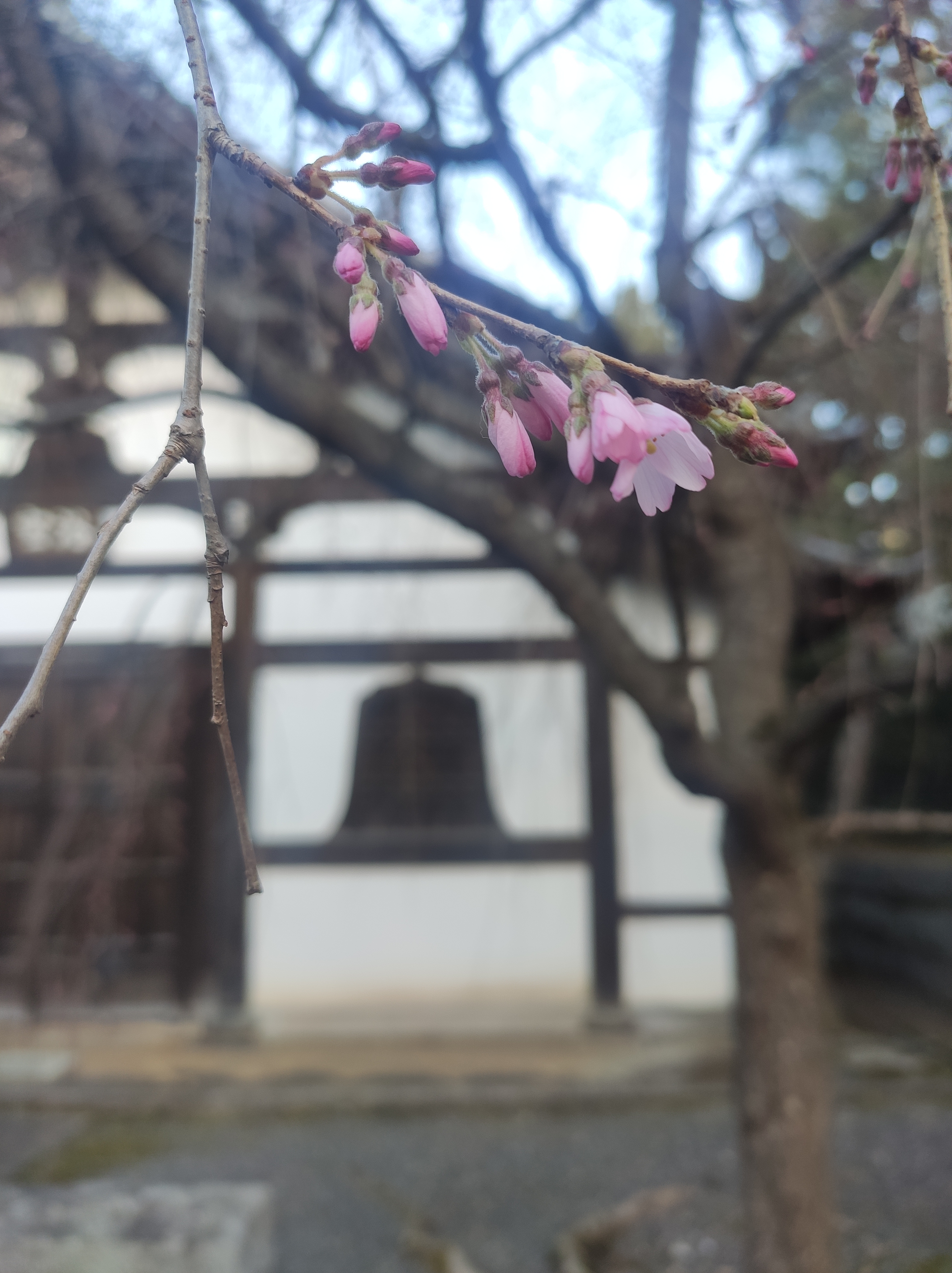
There are many buildings within the complex, including the Abbot’s Quarters, Bath-house, Bell Tower and the Main Lecture Hall. There is also the Imperial Envoy gate, which would be the normal way to enter the grounds, but we somehow came in a side way, which meant we saw the old bath house first!
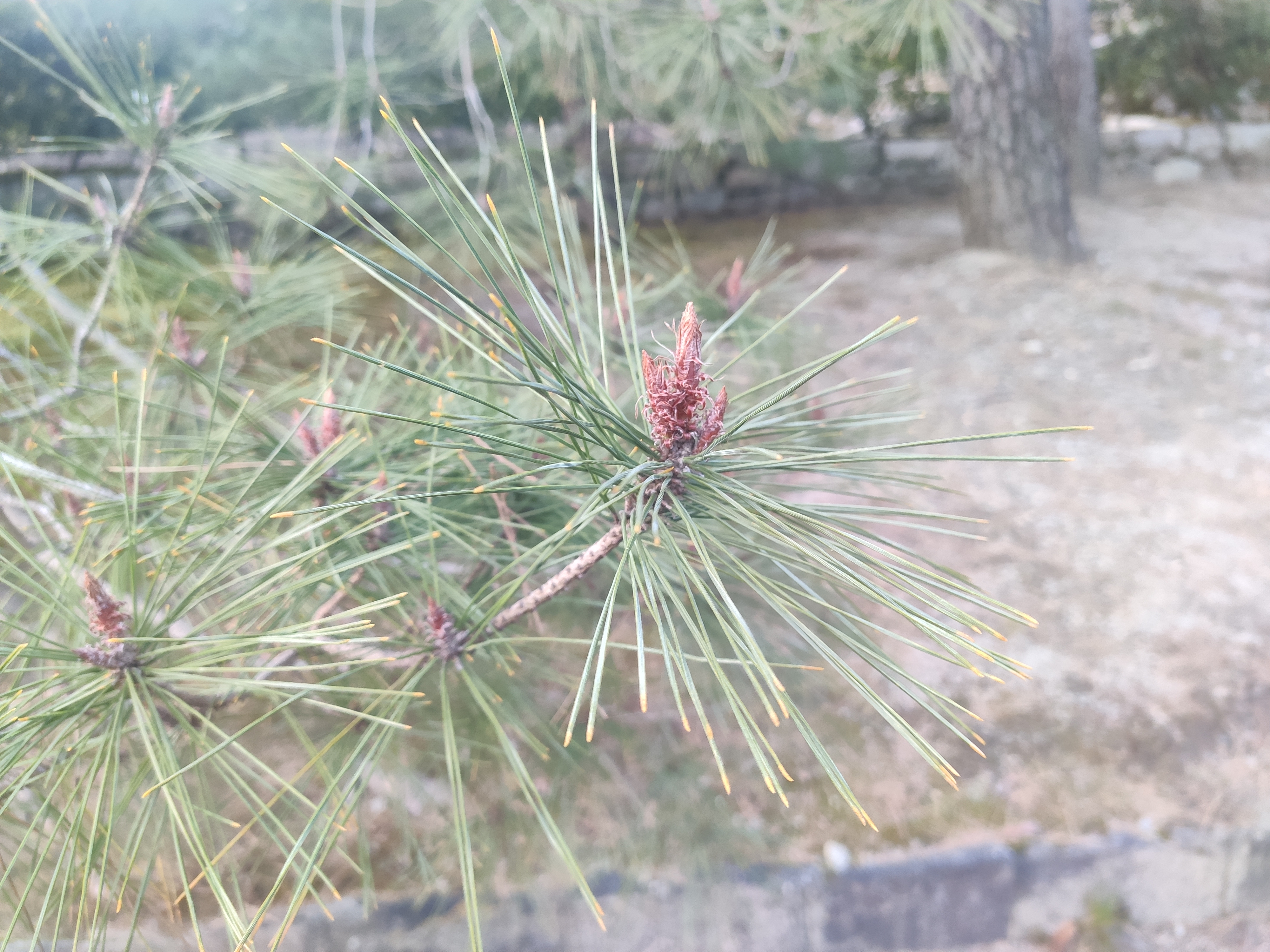
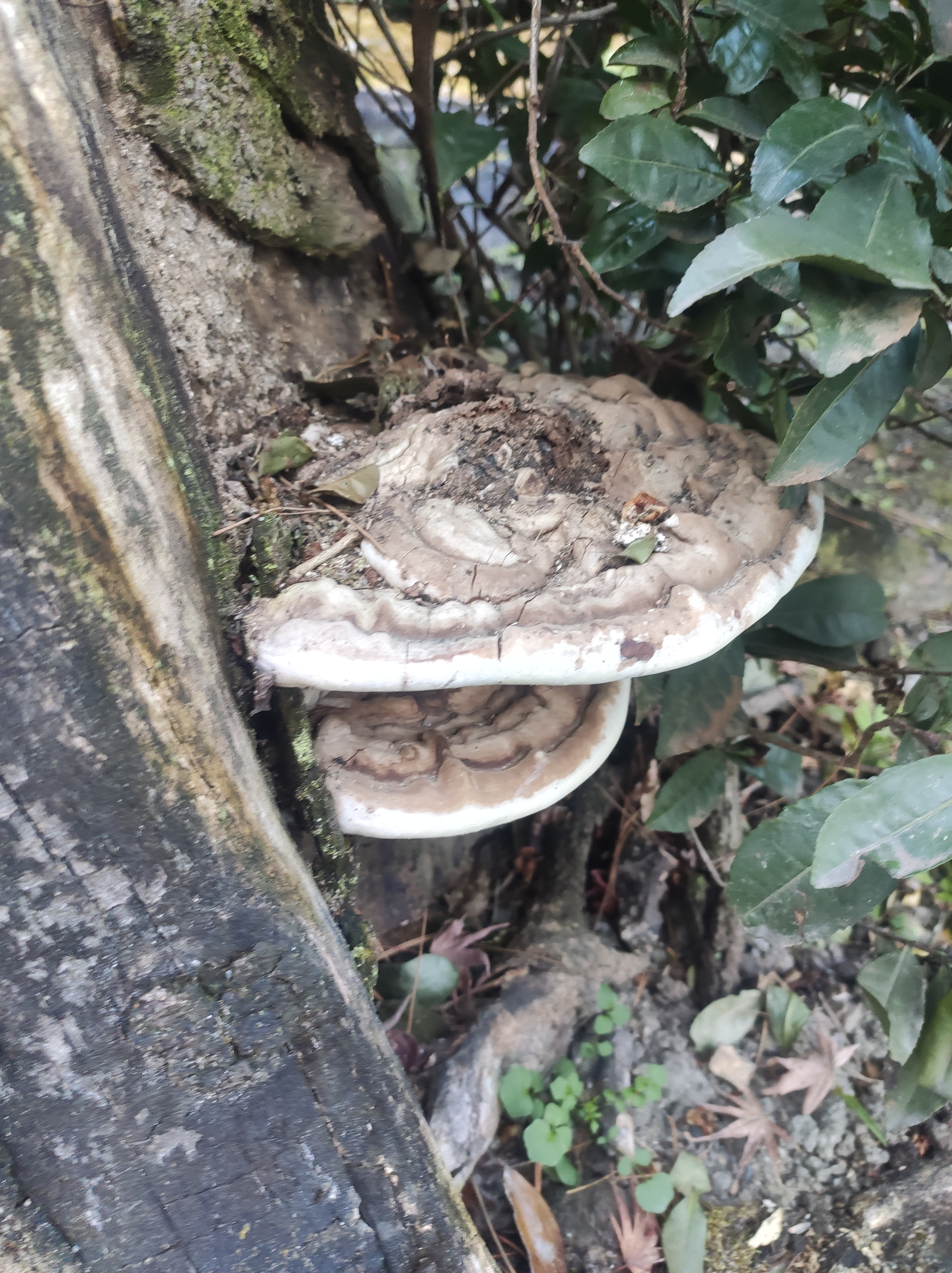
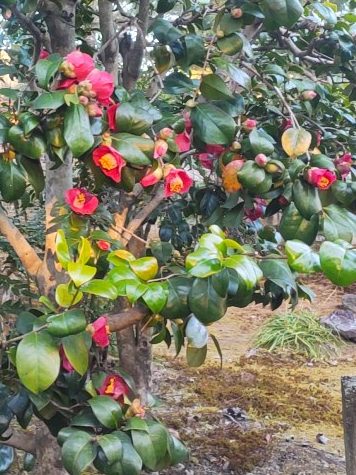
It was too late to enter any of the buildings, but walking through the peaceful complex was a great introduction to some of Kyoto’s well preserved architecture and beauty.
Hanamikoji Street
Gionmachi Minamigawa, Kyoto, 600-8340, Japan
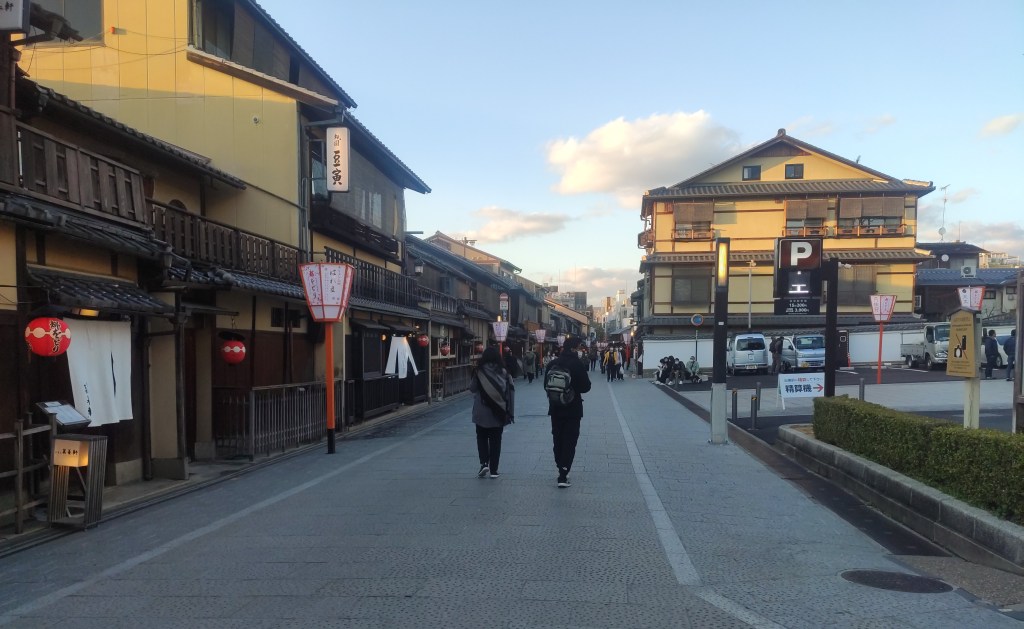
Hanamikoji Street is the main street in the historic Gion-Kobu, the geisha district of Kyoto. The street is lined with traditional buildings known as ‘machiya’, with ‘inuyarai’ in front – curved barriers providing protection from the weather.
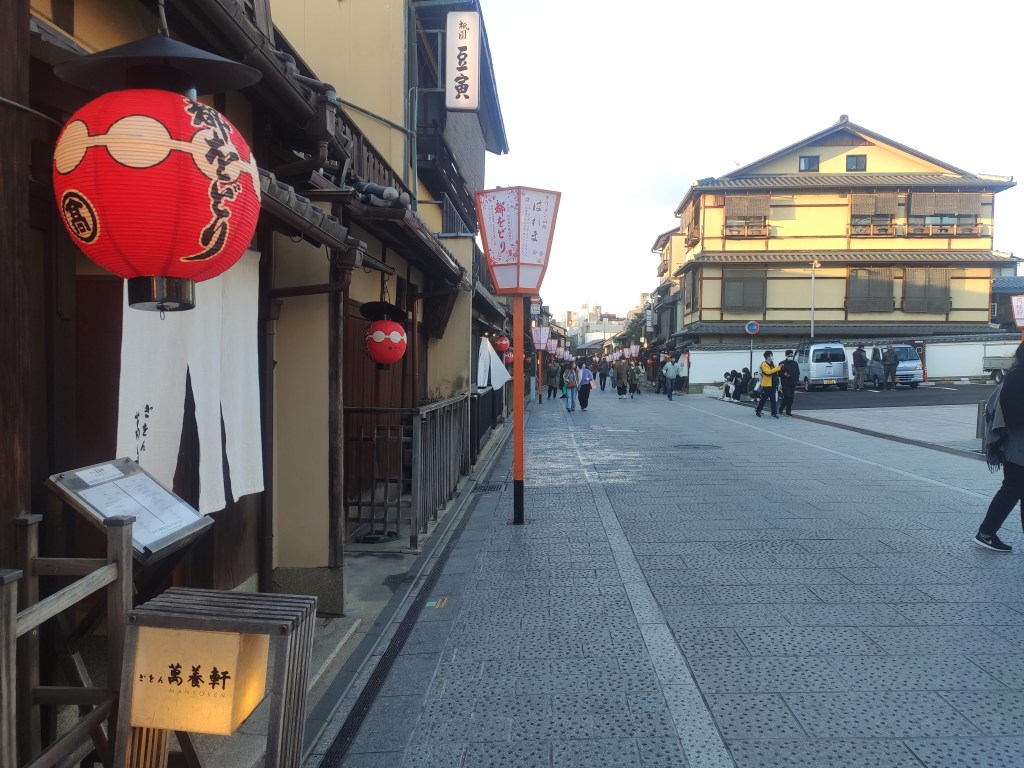
Amongst the street are tea houses, restaurants, shops and at the end of the street is Gion Corner – where tourists can experience traditional performing arts. You’ll need to book ahead to ensure you get in.
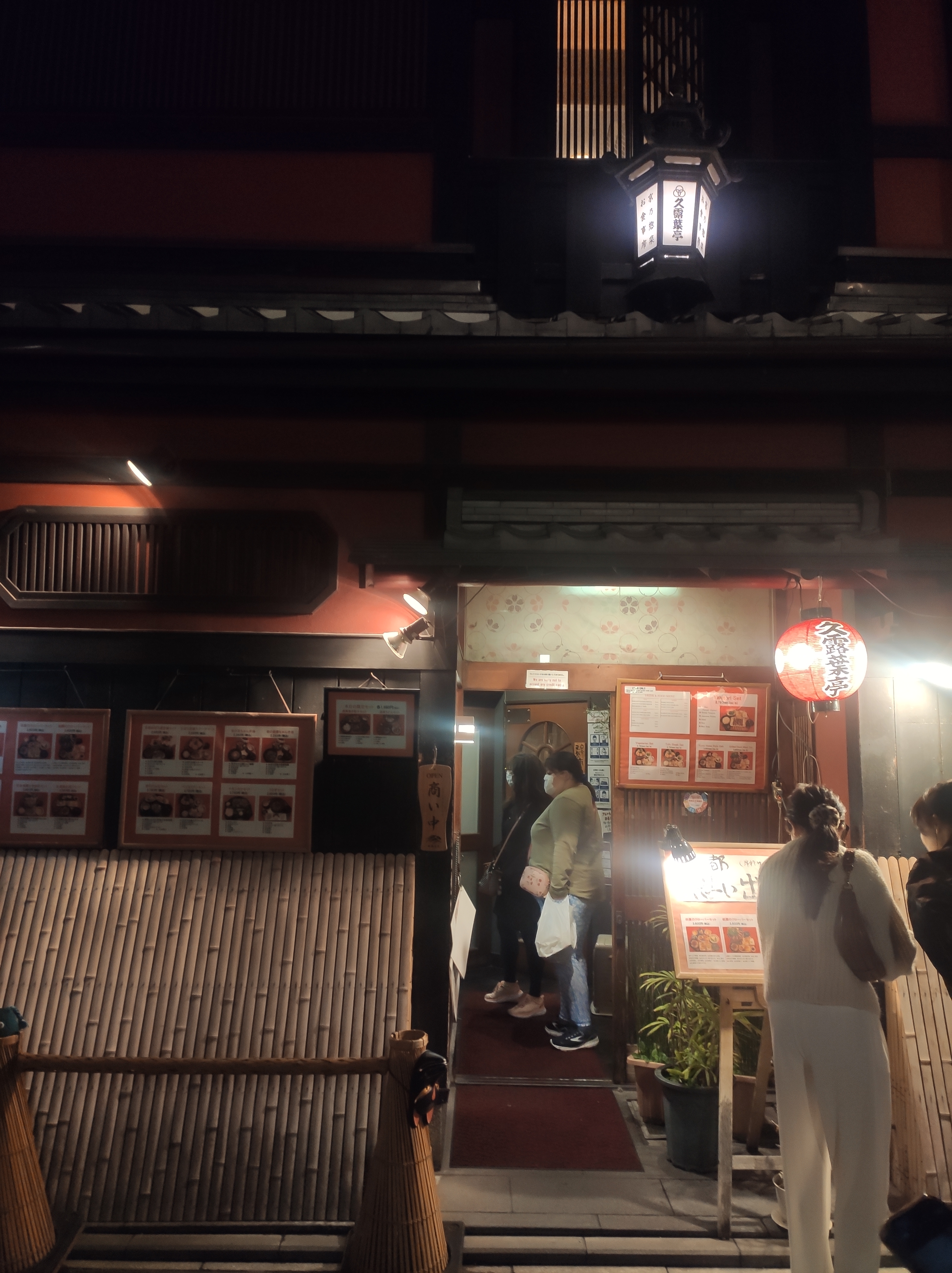
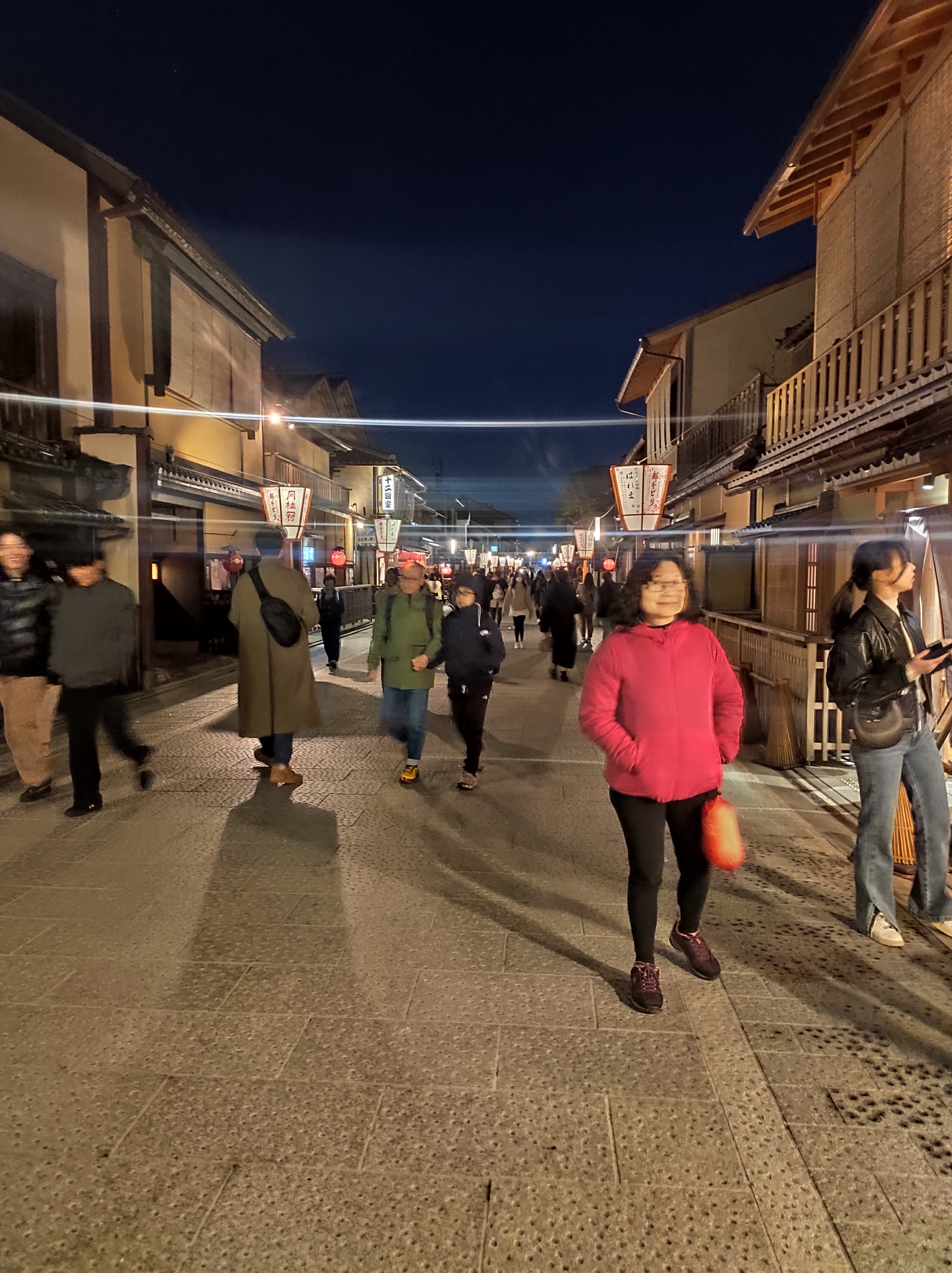
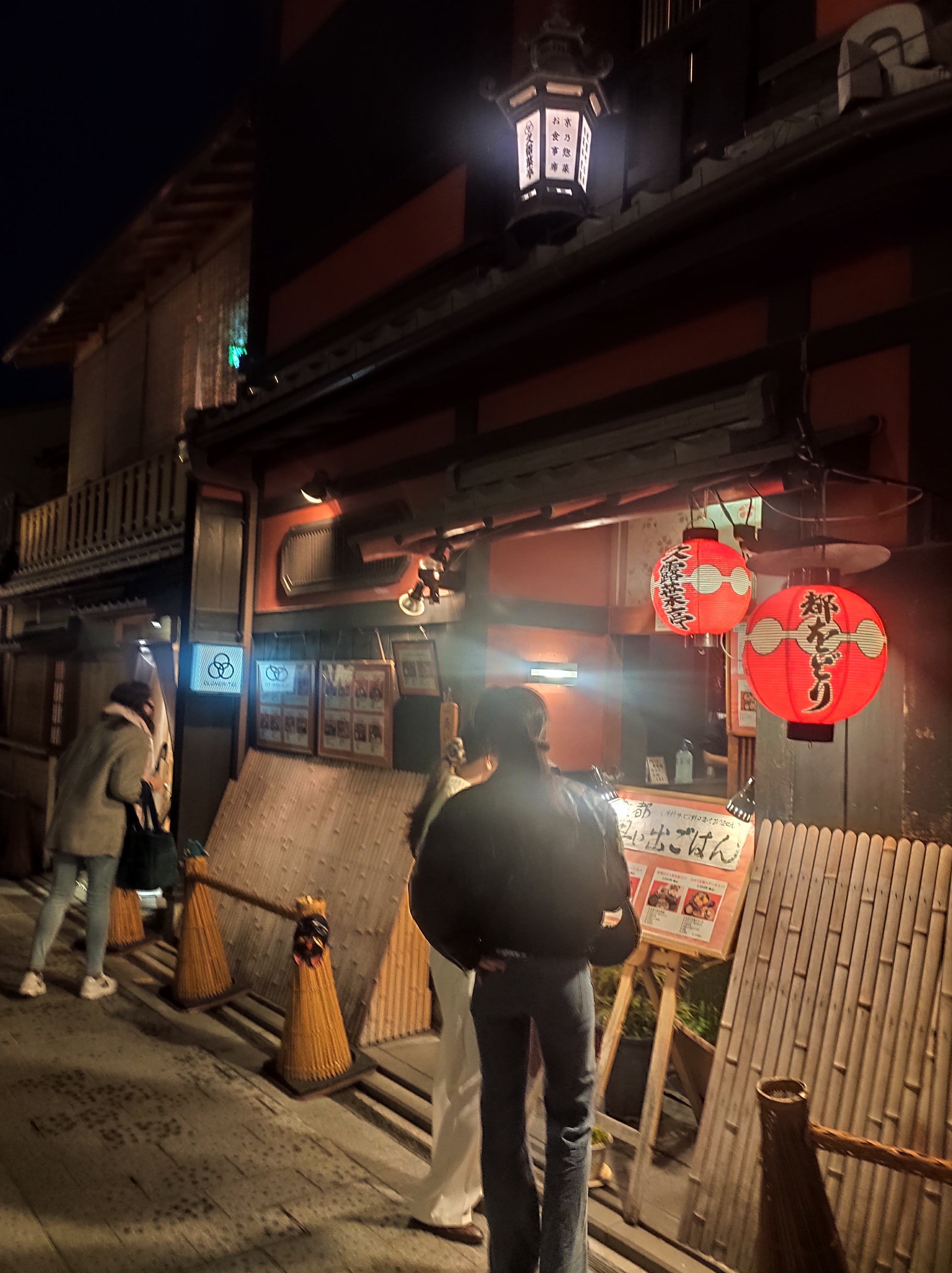
This was our first day in Japan, after our long journey from Dublin to Kyoto, we had a gentle stroll down the street, and then had a gorgeous dinner in Clover Tei. By the time we’d finished night had fallen, in the street was more beautiful still in the moonlight and glow of paper lamps.
Shijō Kawaramachi
Shijo and Kawaramachi Street, Nishikyo Ward, Kyoto
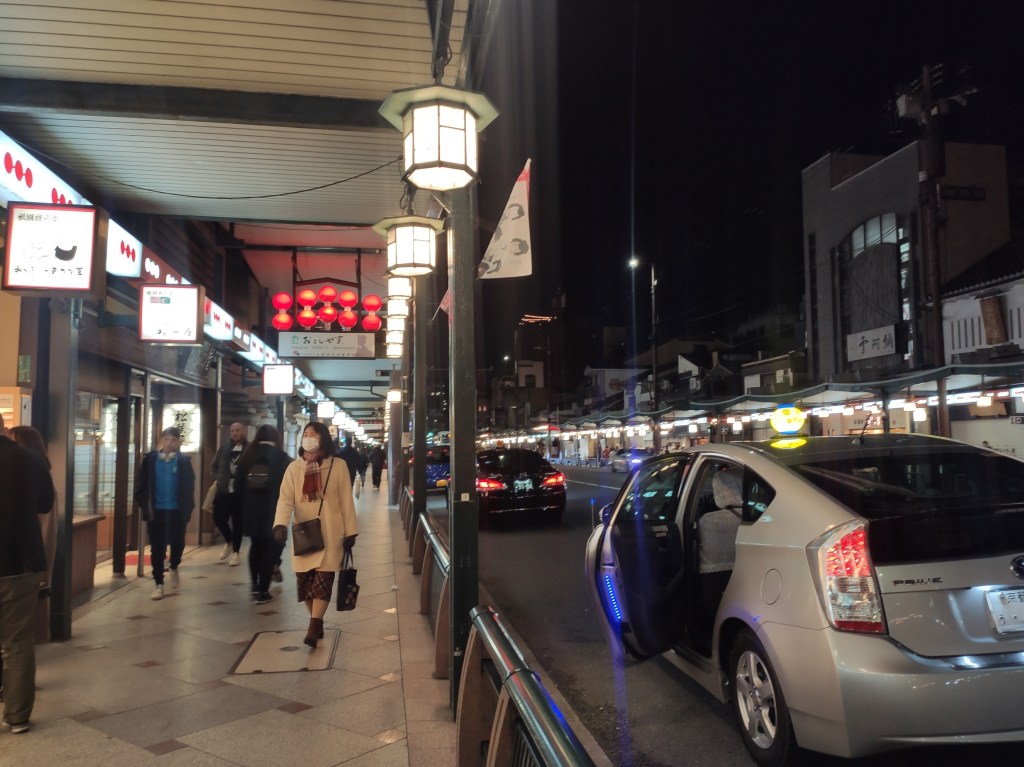
Shijō Kawaramachi is in direct contrast to the historic architecture and tradition of other areas of Kyoto. This district, in the central part of Kyoto, is known for its department stores, gift shops and modern restaurants. Here, you will find busy covered shopping streets such as Nishiko Market lined with stalls selling traditional food, arcades, bars and clothes shops.

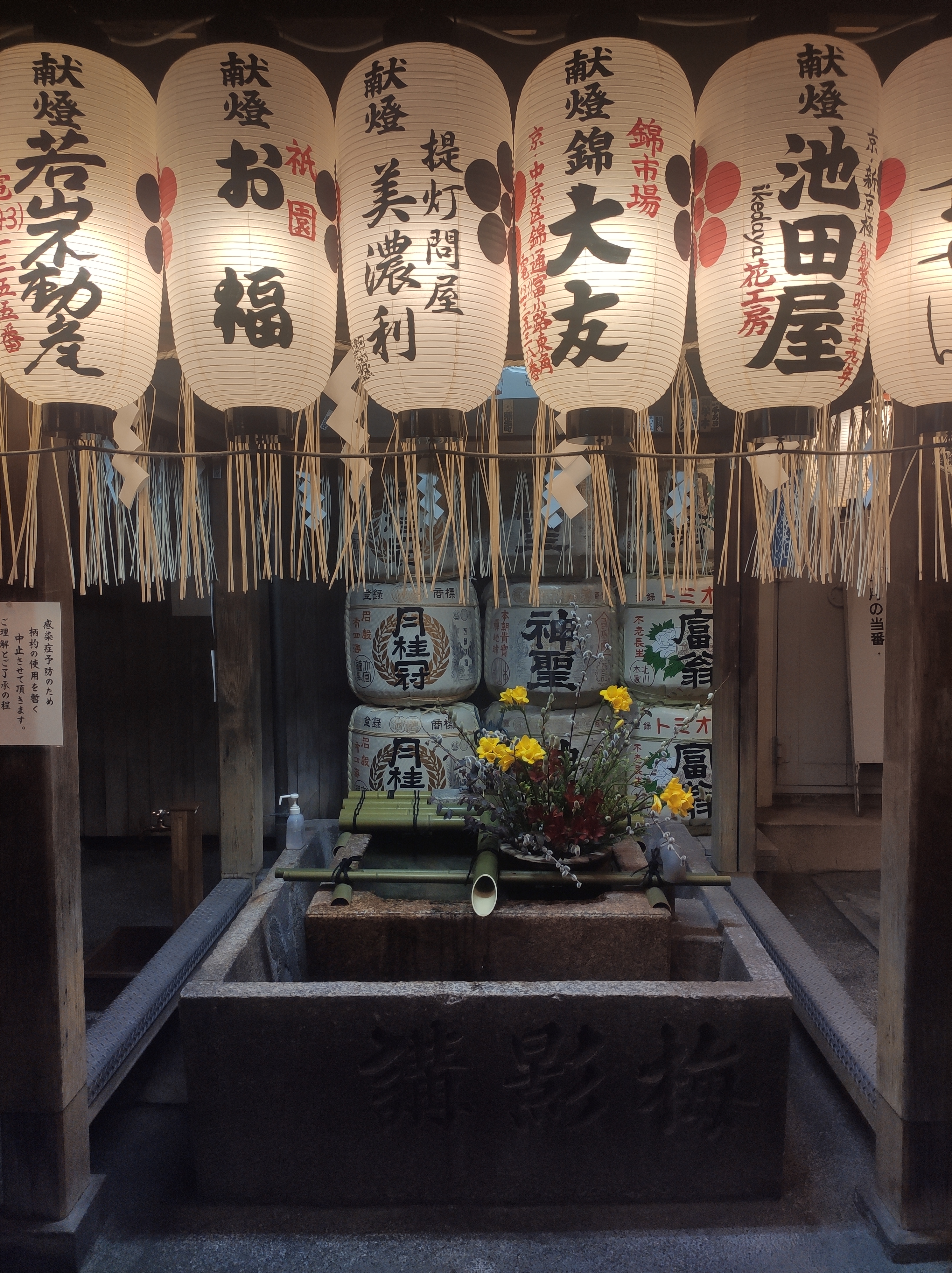
Still, jostled against the modernity, are shinto and buddhist shrines, such as this shinto Nishiki-Tenmangu Shrine, dating from 1003 but placed in its current location in 1587, which sits proudly amongst the shops in the Shinkyogoku shopping street. Though the shopping street itself dates back to 1872!
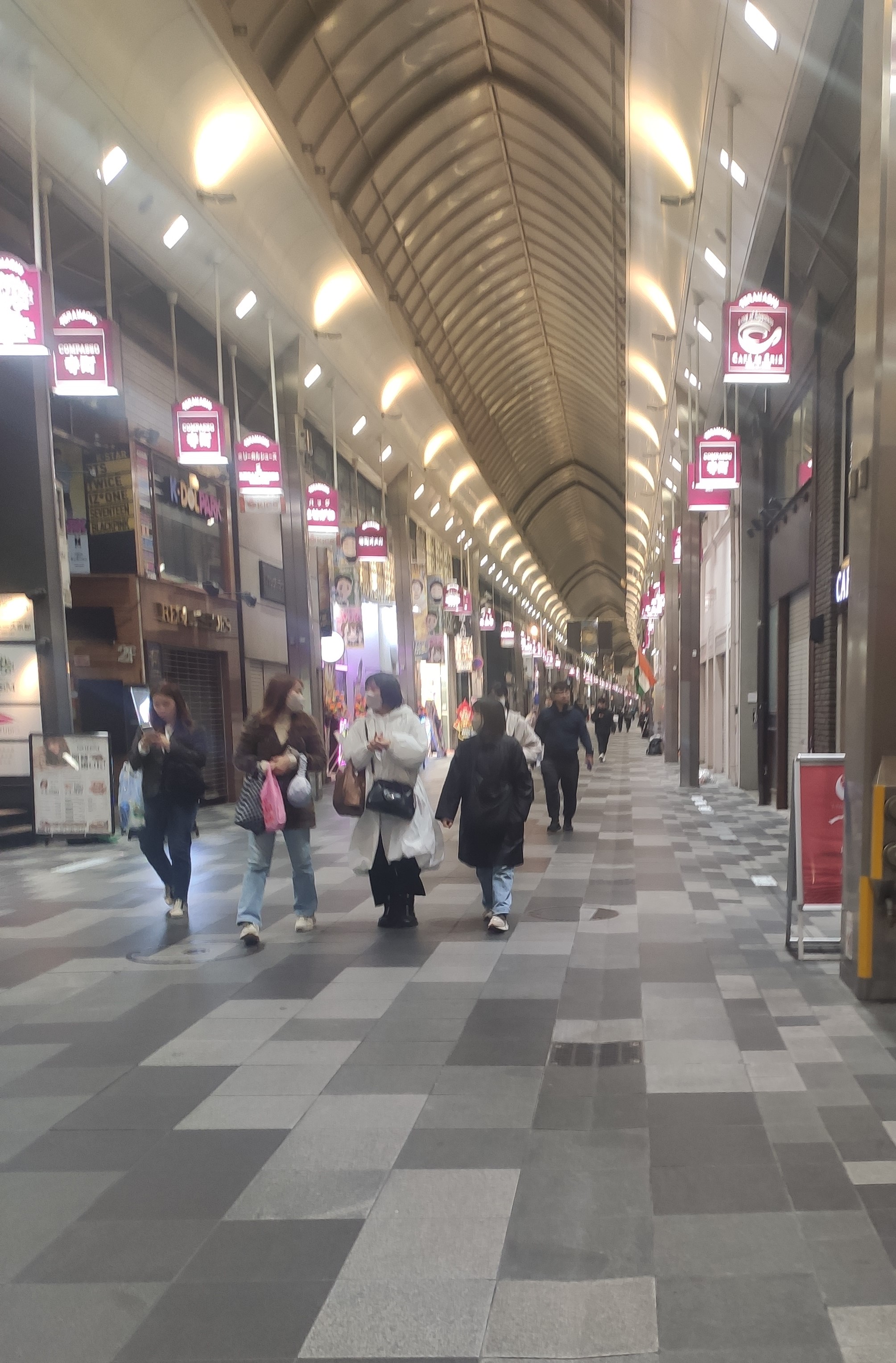
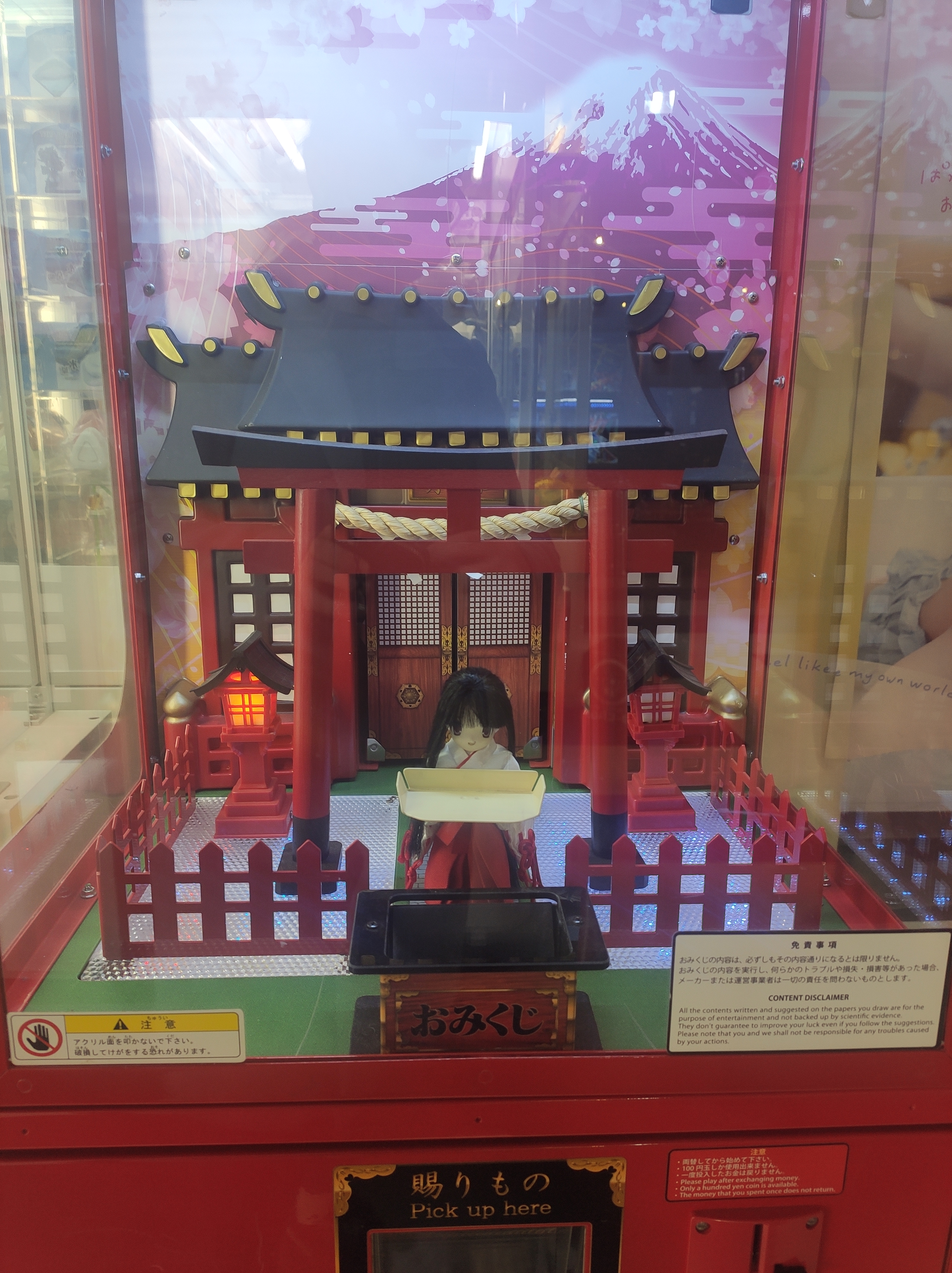

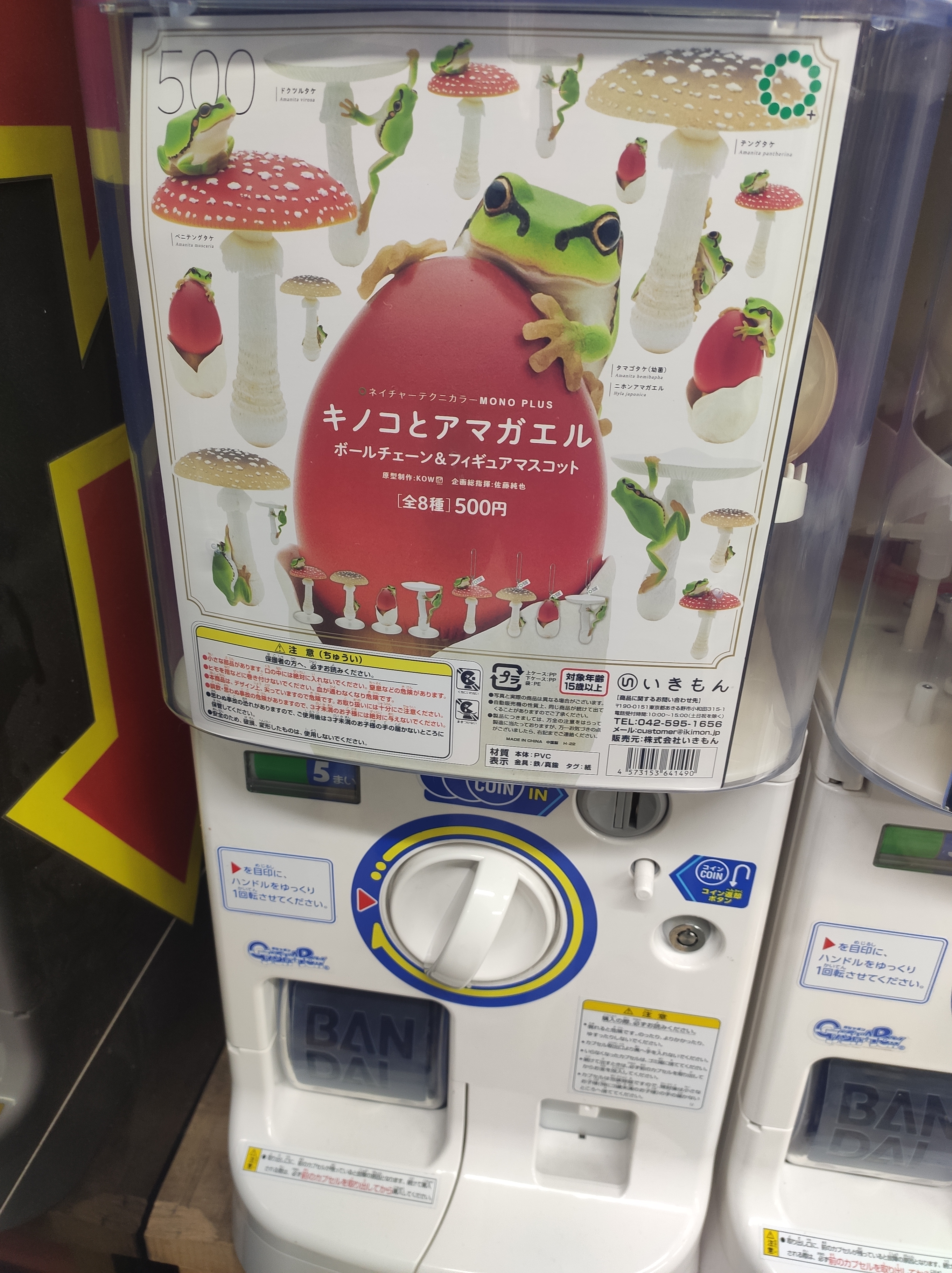
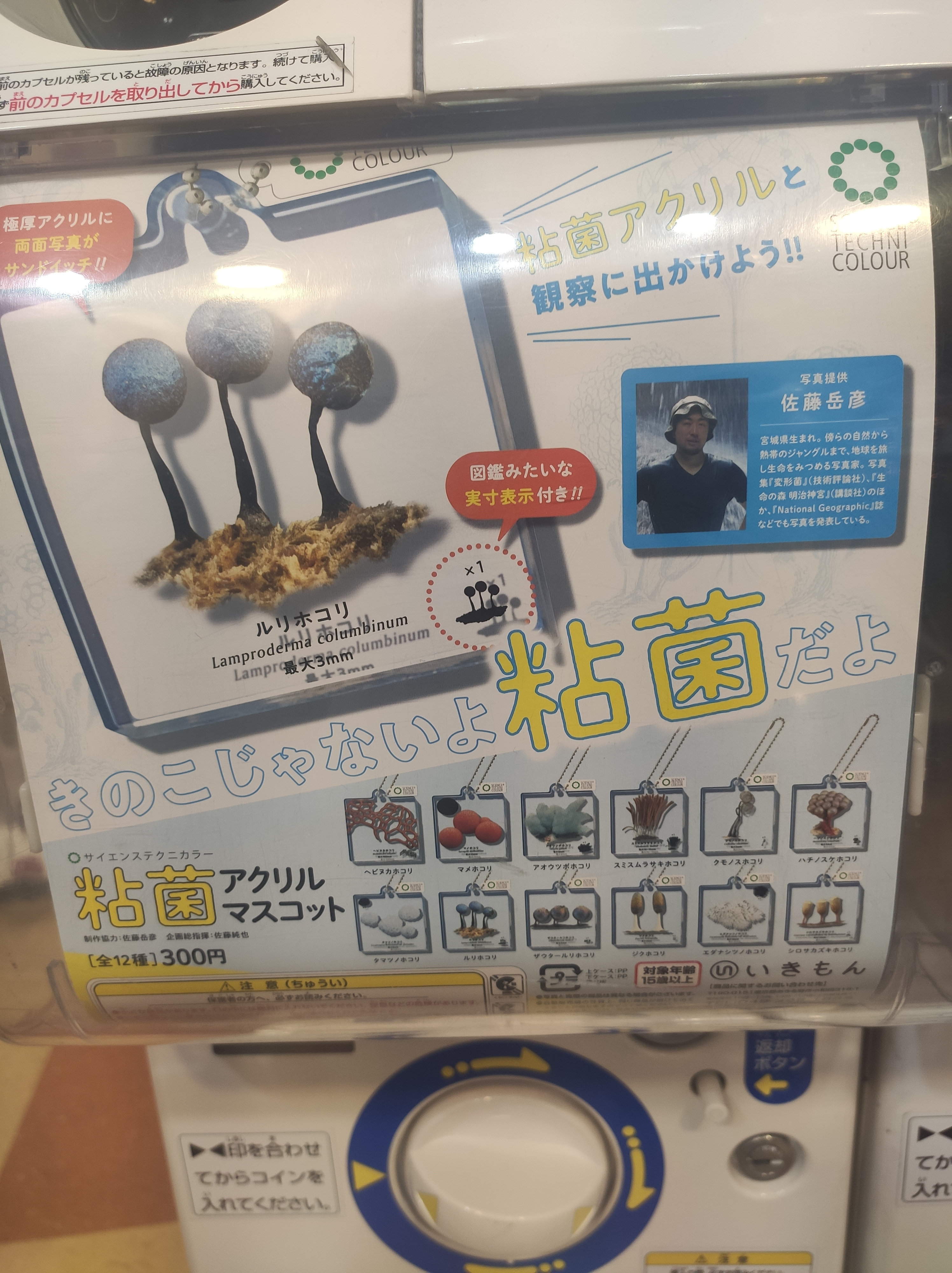
We had great fun strolling the streets, exploring the capsule machines (Gashapon) and playing in A-Cho Arcade (〒604-8043 Kyoto, Nakagyo Ward, Higashidaimonjicho, 302・303 2F&3F Aブレイクビル), where I also got my fortune from the mechanical fortune teller (there’s also a mechanical fortune teller in the shrine mentioned above).

Follow The Greedy Herbivore on Instagram and Facebook to keep up with my latest blog posts, reviews and ramblings, or follow through WordPress to receive notifications of new posts direct to your inbox.
 The Greedy Herbivore