
15th March 2023
Arashiyama Bamboo Grove

Ukyo Ward, Kyoto, 616-0007, Japan
Arashiyama, another incredible icon of Kyoto, is located in the northwest of Kyoto, beneath the ‘Storm Mountains’. To get there from Hotel Tavinos, we took the local San In JR rail line from Kyoto Station to Saga-Arashiyama Station, which was included in with our JR Pass. From the station we walked for around 15 minutes to reach the entrance to the Bamboo Grove.
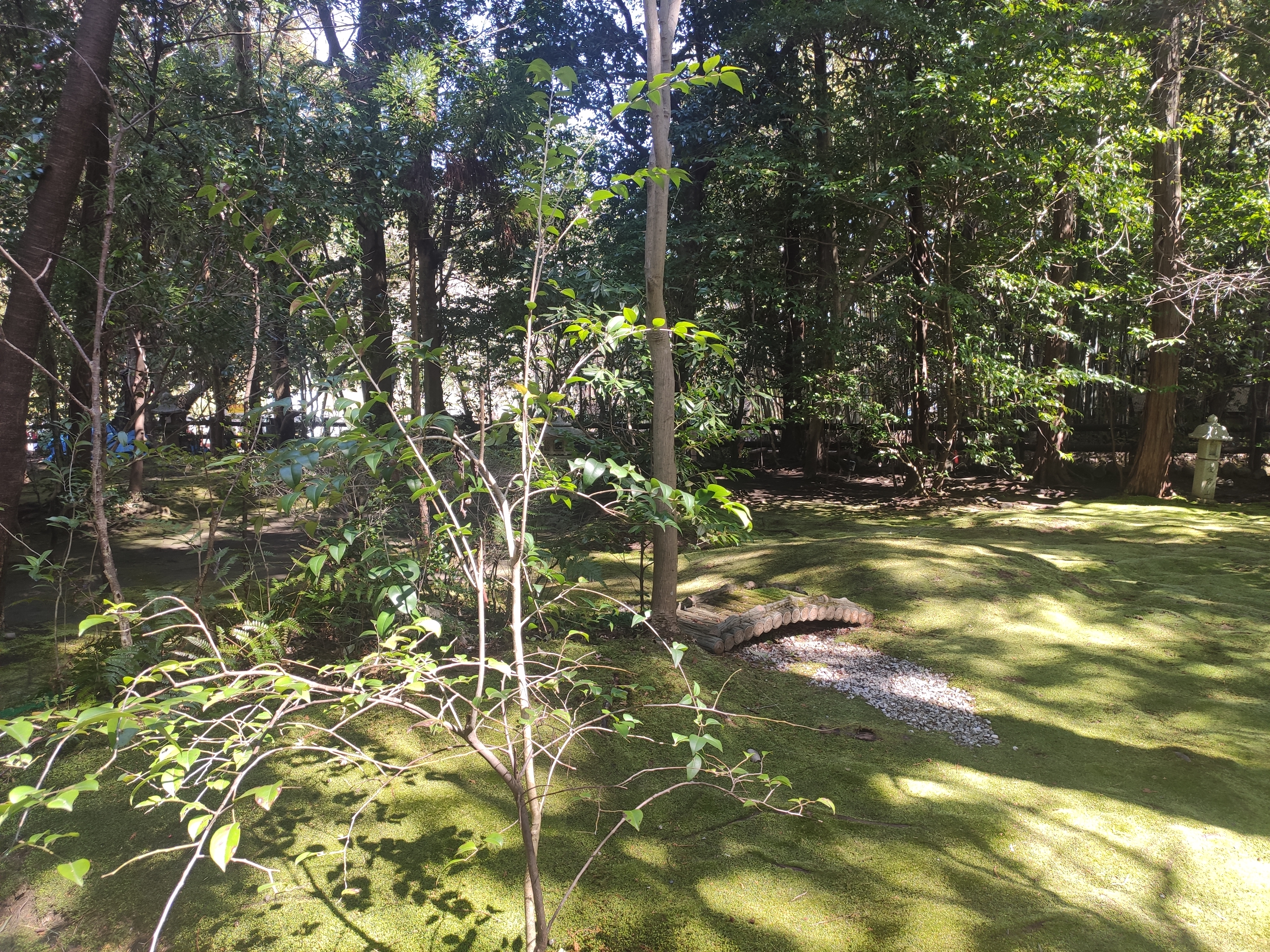
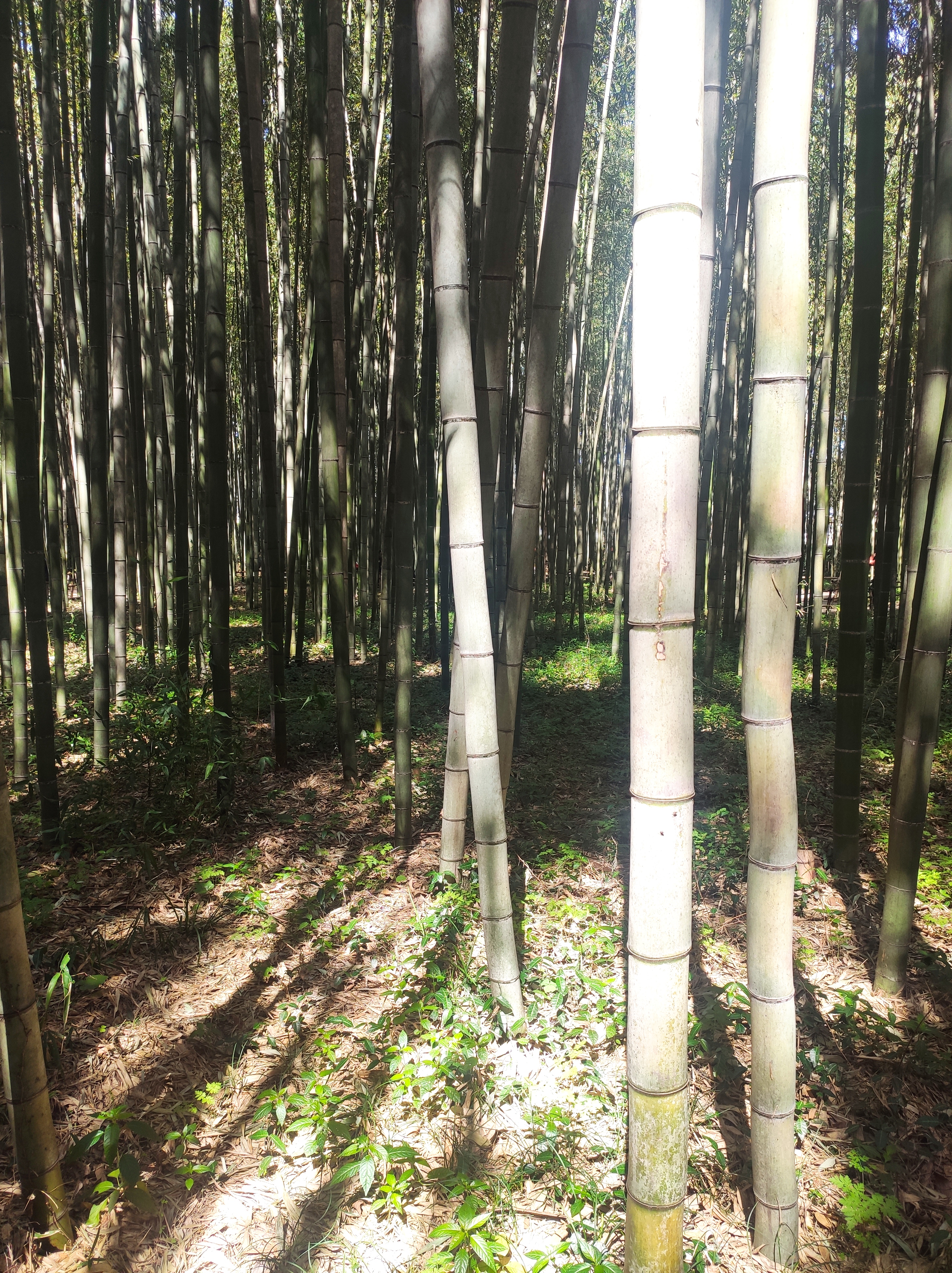
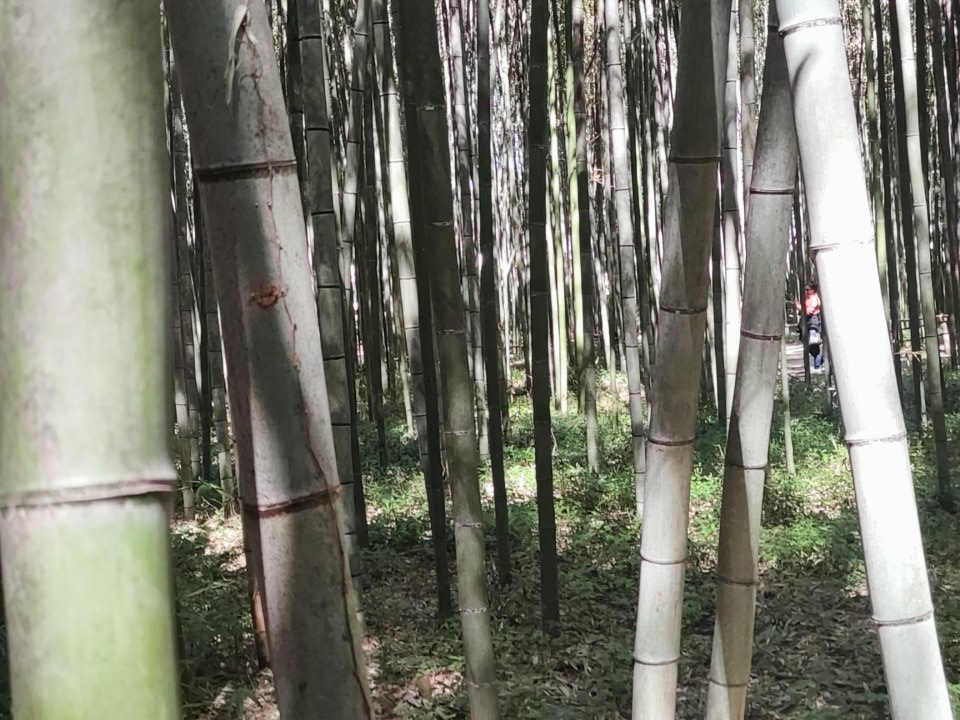
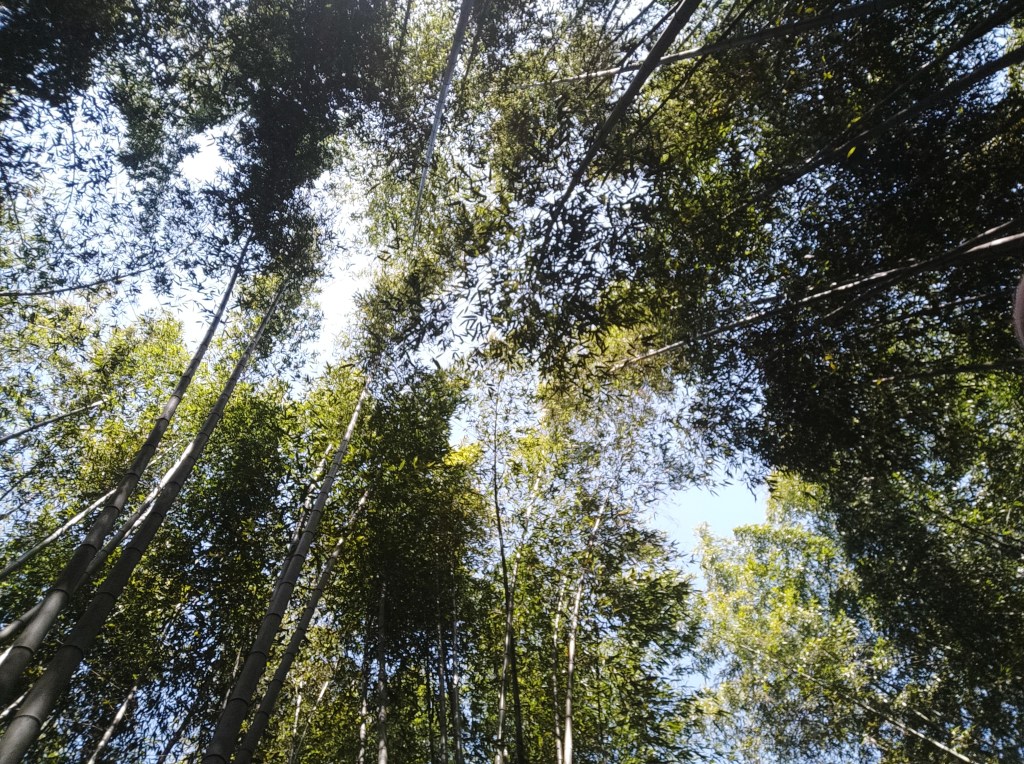
The bamboo grove was flocked with tourists, this didn’t detract from its wonder. Walking amongst the paths, the tall bamboo trees lend their shade and encapsulate, creating a cocoon of natural greens and earthy browns. The Moso Bamboo species that make up the grove are native to Taiwan and China, and grow to around 90ft tall. Although I’m not sure when the bamboo grove itself dates from, it is said that the site has been popular since the Heian Period – 794 – 1185 CE.
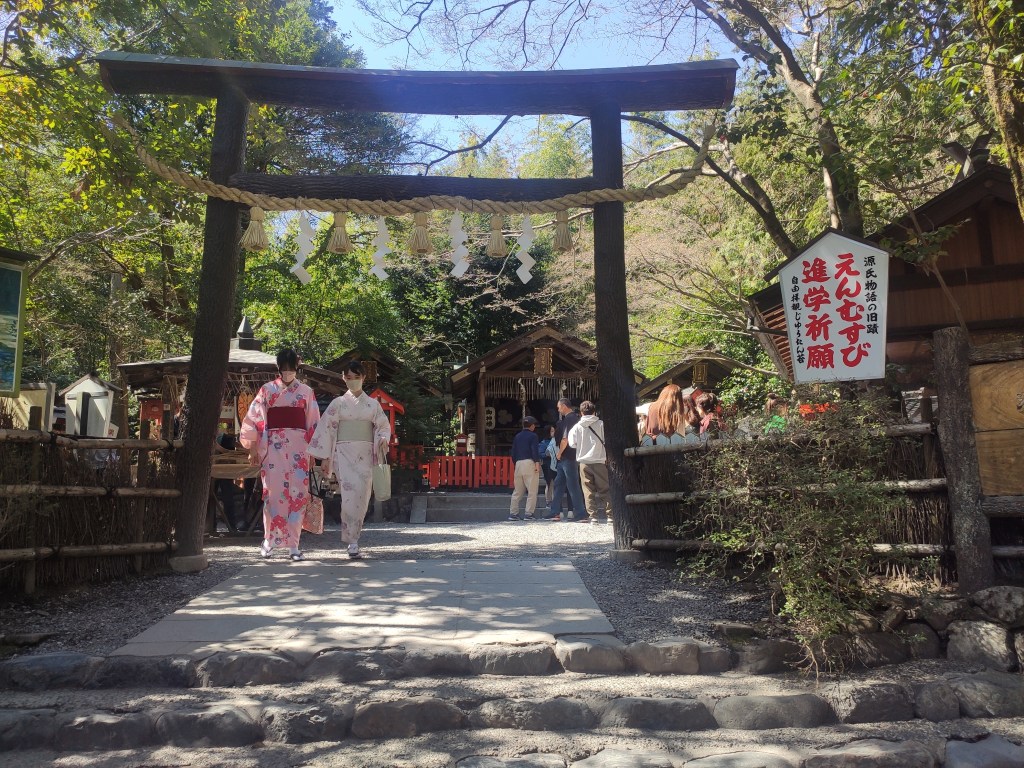
Also in the grove, sits the Nonomiya Shrine, a historic Shinto shrine now visited for seeking luck in love and marriage. The shrine used to be relocated from time to time at the behest of new emperors, and historically it was a shrine that was visited by unmarried princesses and empresses for a purification process. It is even mentioned in the ‘Tale of Genji’, written by Marasaki Shikibu, sometimes cited as the world’s oldest novel ‘ever written’, dating from before 1021, in Japan’s Heian Period. Today, it remains as a beautiful shrine, nestled in the greenery, where tourists and locals dresses in yukata and kimono visit to take photographs.


Past the main grove, we meandered along the tranquil streets to the north, coming across Kotouen, a pottery store with Tanuki (Japanese raccoon dogs) statues both big and small, and other delights. Pom Poko is one of my favourite films, so I was delighted to see these and wish I could have taken one home.
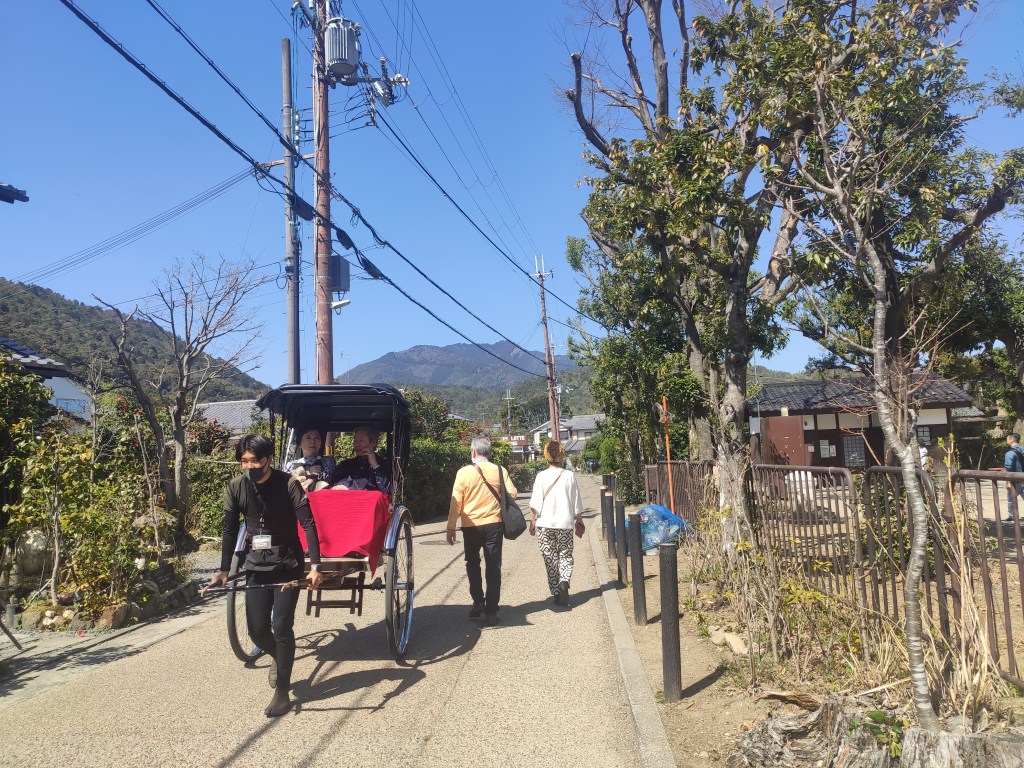
You can also explore Arashiyama on a traditional Japanese person-powered rickshaw or walking tour, or via the Sagano Romantic Train, (though the latter doesn’t operate on holiday days).
Tenryu-Ji

Japan, 〒616-8385 Kyoto, Ukyo Ward, Sagatenryuji Susukinobabacho, 68
Tickets:
Garden only: Adults ¥500 / Elementary & Middle School Students ¥300
Garden and Buildings: Adults ¥800 / Elementary & Middle School Students ¥600
Admission to the Cloud-Dragon Painting: ¥500
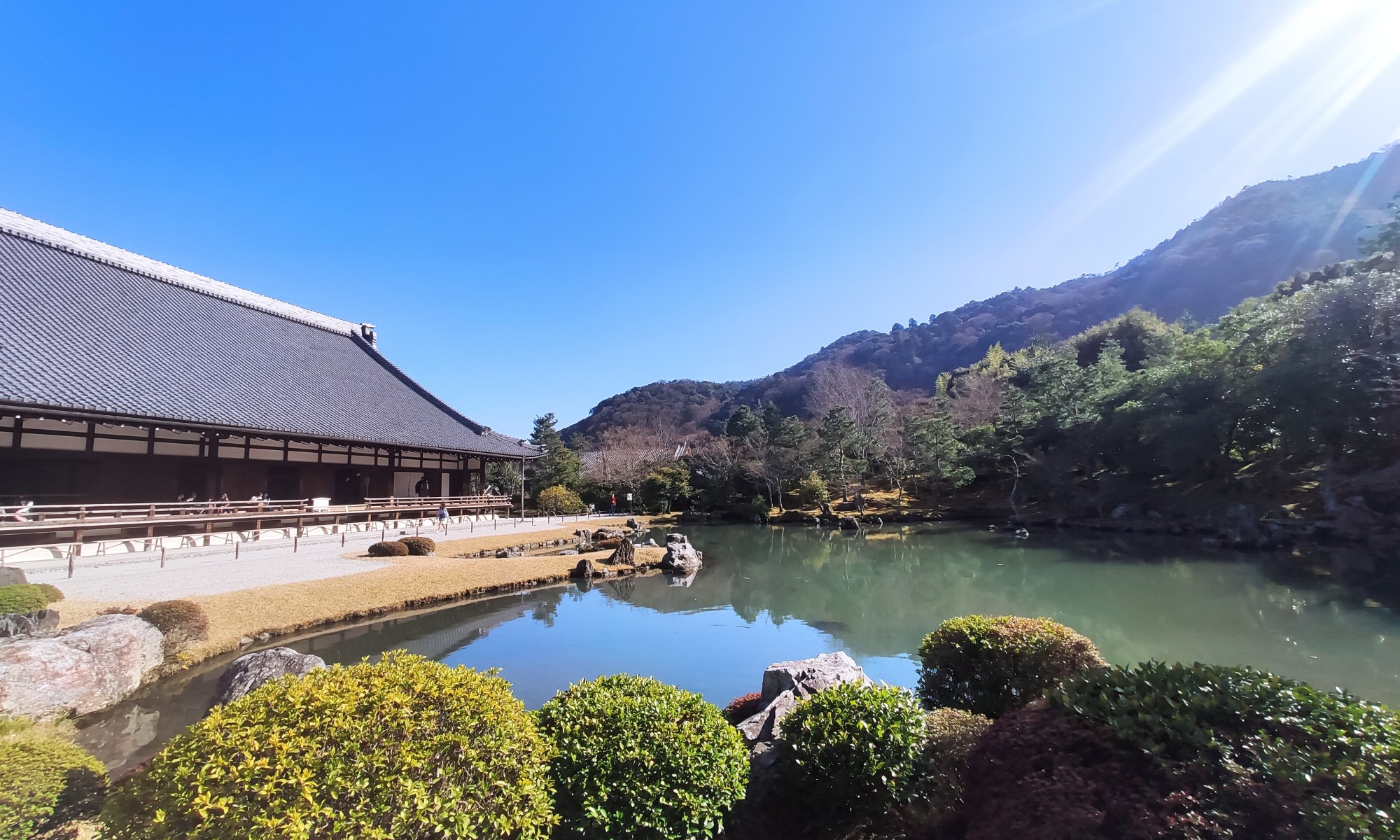
Adjacent to the Arashiyama Bamboo Grove, is Tenryu-ji, now a World Heritage Site and one of Japan’s ‘Special Places of Scenic Beauty’. It is a huge Zen Buddhist temple, built originally in 1339. It is the head temple of the Rinzai Zen sect. The temple was built to commemorate The Emperor Go-Daigo who had just passed away, and it was the former site of the emperor’s villa. Many buildings make up the site, including the Main Hall, drawing hall, kitchens, lecture hall. Many of these had been destroyed by various fires and have been rebuilt multiple times.
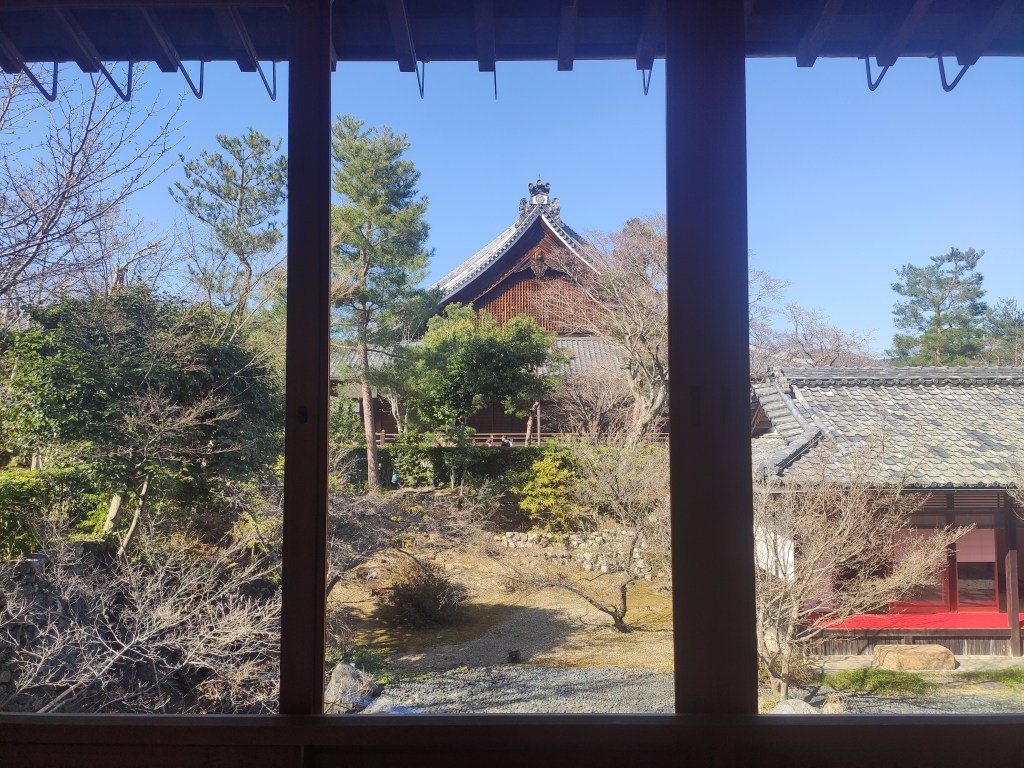
The garden, however, remains in its original form, and was designed by Tenryu-ji’s first head priest, Muso Soseki (1275 – 1351). Muso Seseki, as well as being a well regarded monk and teacher, was known for designing Zen gardens, at least 5 of which are also on the list of ‘Japan’s Places of Scenic Beauty’.

We had bought the ticket to visit the garden in order to enter the Shigetsu for our incredible Shojin-ryori meal. After our beautiful meal, we explored the beautiful garden. As it was springtime, many of the trees were just coming into bloom, and the well curated elements, designed according to Zen philosophy, makes for a truly special place.

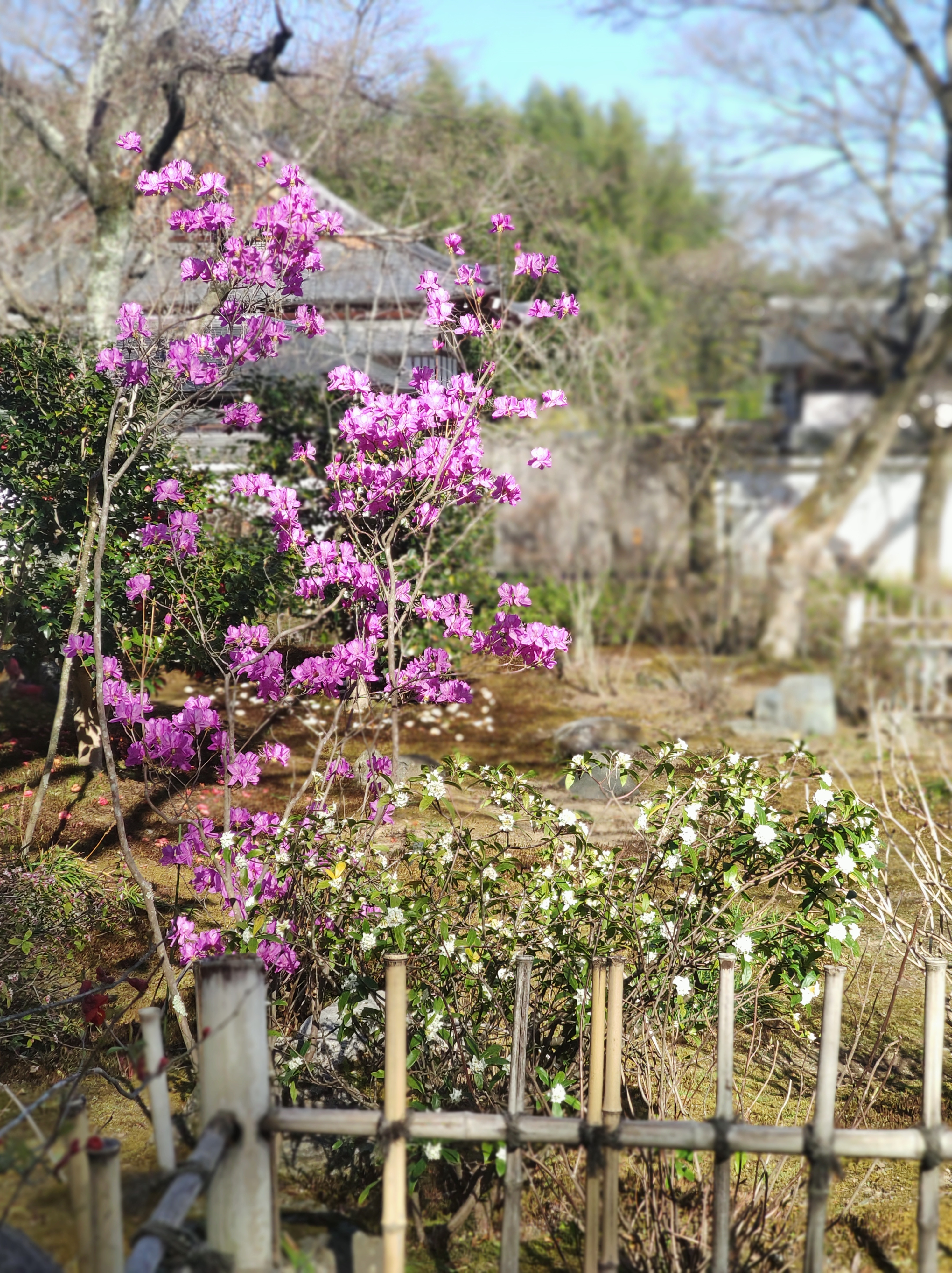
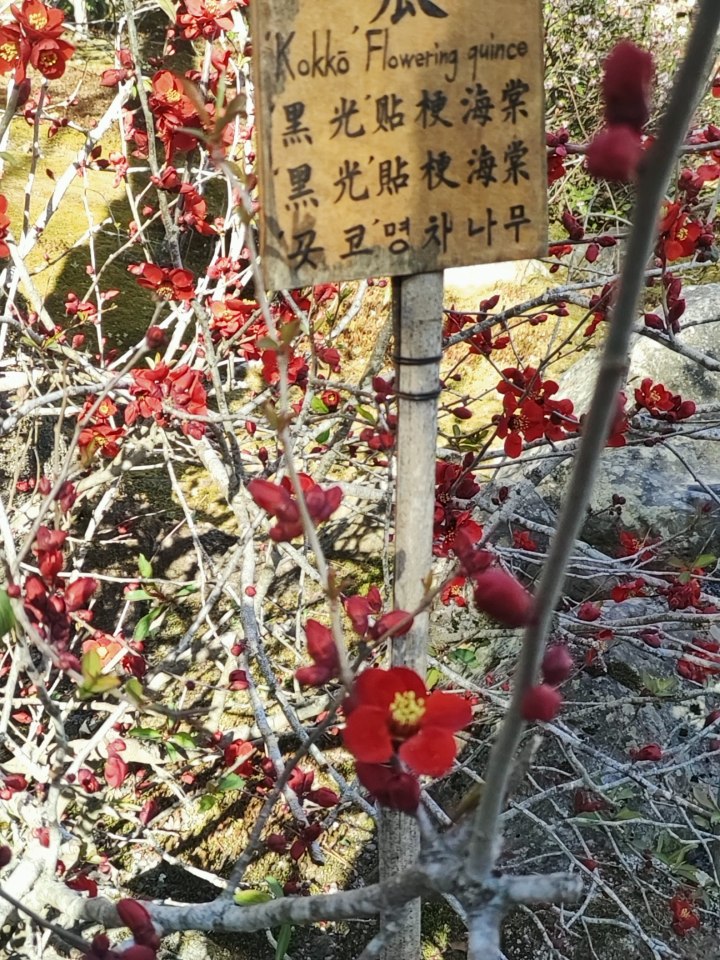

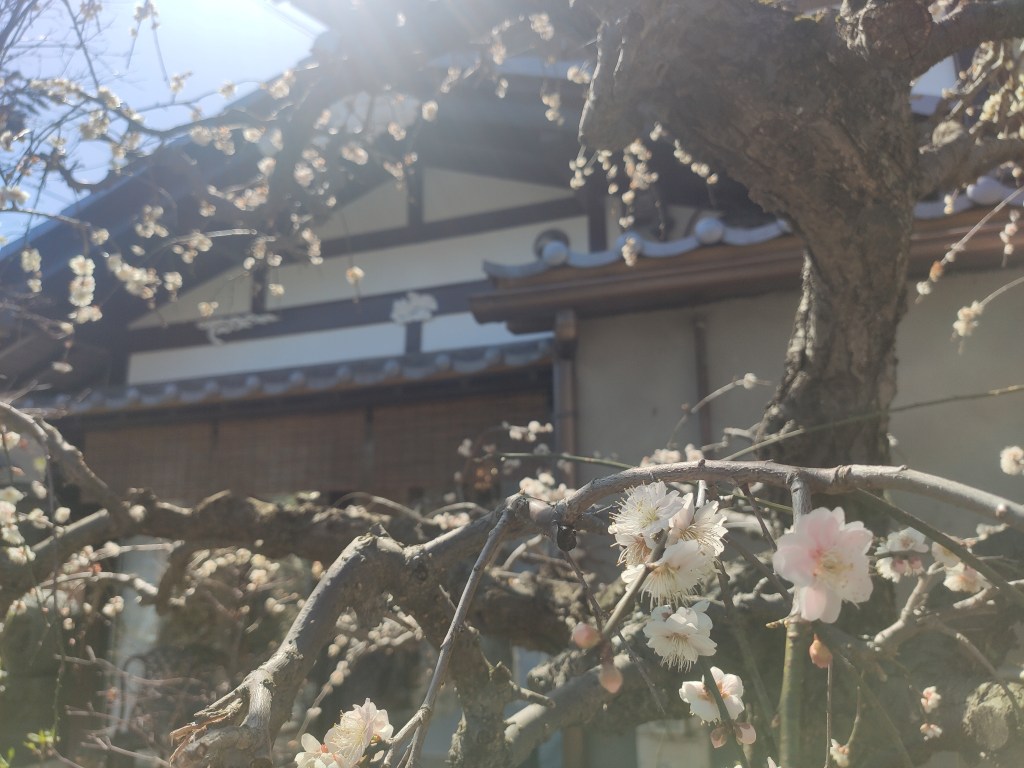
Plants and trees such as Camellia, Daphne, Azalea and Weeping Plum are dotted around, and a water way using a half cut bamboo trunk carries water across one of the small waterways and around carefully placed rocks.
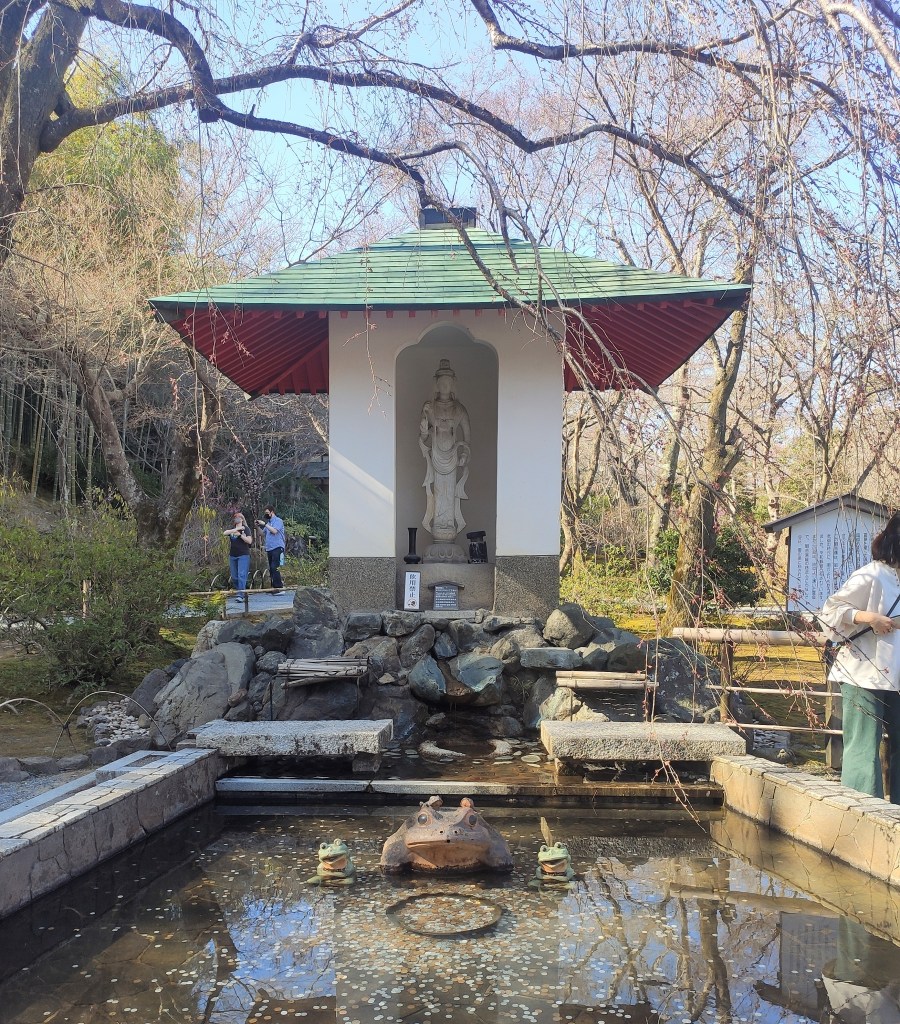
A statue, whom I think to be Avalokiteshvara, bodhisattva of compassion, stands overlooking a small pond with three frogs in it, people have thrown coins in for good luck. I have read this is a Temizuya, but I’m unsure if this is correct. A huge pond is flanked with white sand arranged in gentle waves, and Mount Arashiyama and Mount Kameyama in the distance. The contrast of the bright colours, the sky, earth and water are beautiful and filled with symbolism. There are also helpful signs near a lot of the trees and plants, stating their names in Japanese, English and other languages.
The whole garden was as serene and beautiful as it was designed to be. I have seen gardens in various places, designed according to zen, to stand in one of the original gardens by the master himself, was something unforgettable.
Follow The Greedy Herbivore on Instagram and Facebook to keep up with my latest blog posts, reviews and ramblings, or follow through WordPress to receive notifications of new posts direct to your inbox.
 The Greedy Herbivore