
17th – 19th March 2023
Sumiyoshi Taisha
2 Chome-9-89 Sumiyoshi, Sumiyoshi Ward, Osaka, 558-0045, Japan
https://www.sumiyoshitaisha.net/en/
Sumiyoshi Taisha is one of the most beautiful shrine grounds I’ve ever been to. Sumiyoshi sanjin is a name grouping the three Shinto Gods of the sea – Sokotsutsu no O no Mikoto (底筒男命), Nakatsutsu no O no Mikoto (中筒男命), and Uwatsutsu no O no Mikoto, so Sumiyoshi Taisha is a shrine dedicated to these three Gods. It is the head of around 2,300 Sumiyoshi shrines placed all around Japan. It was founded in 211 by Tamomi no Sukune, ordered to enshrine the Sumiyoshi by Empress Jingu.
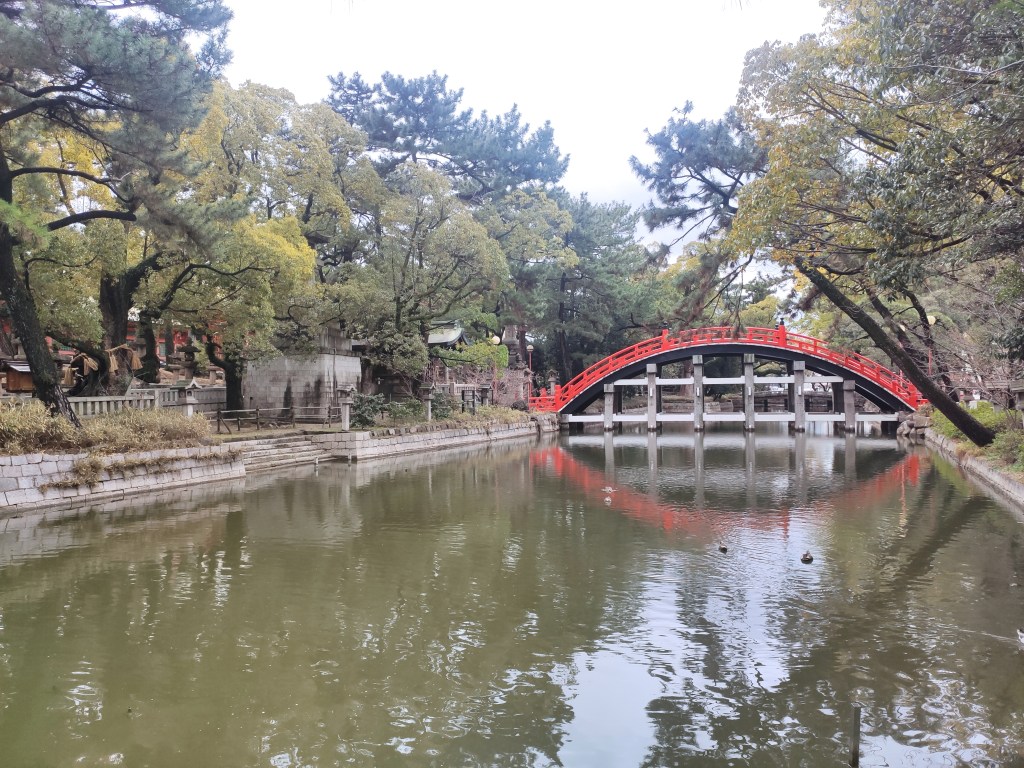
Upon entry to the grounds and just beyond the stone torii gate, you will see a beautifully formed vermillion wooden bridge, the Sorihashi arched bridge, also known as the Taikobashi bridge, which means drum, due to its reflection on the water below.
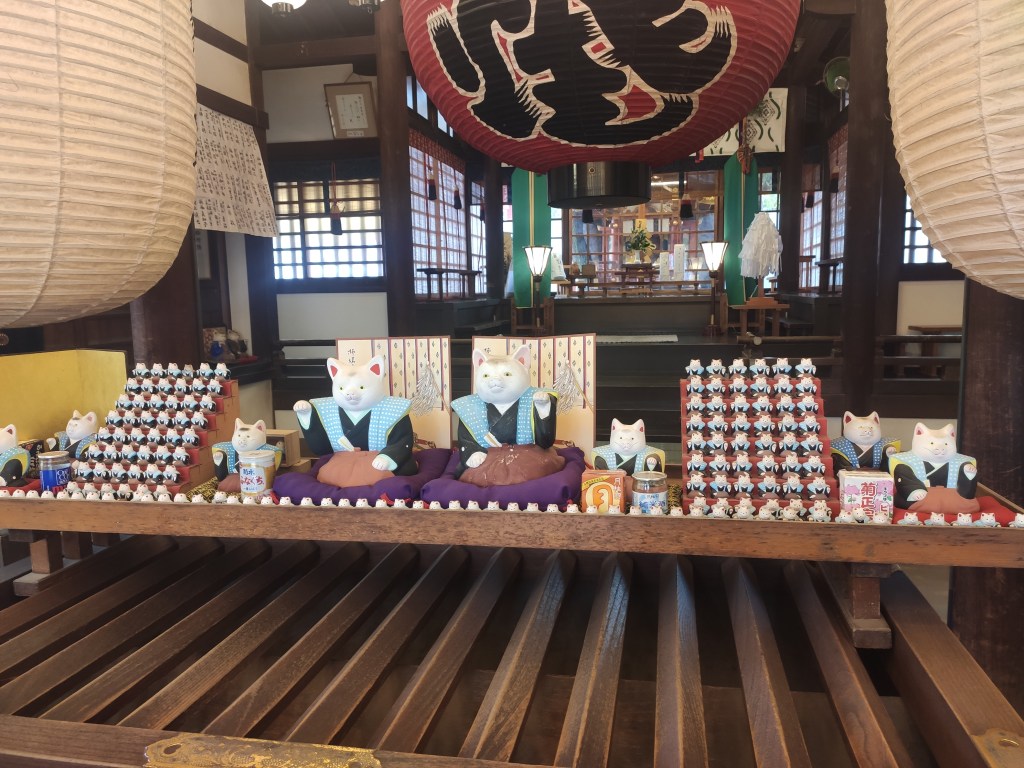
After passing through the main gate to enter the grounds there are many different meaningful shrines, buildings and pockets of beauty.
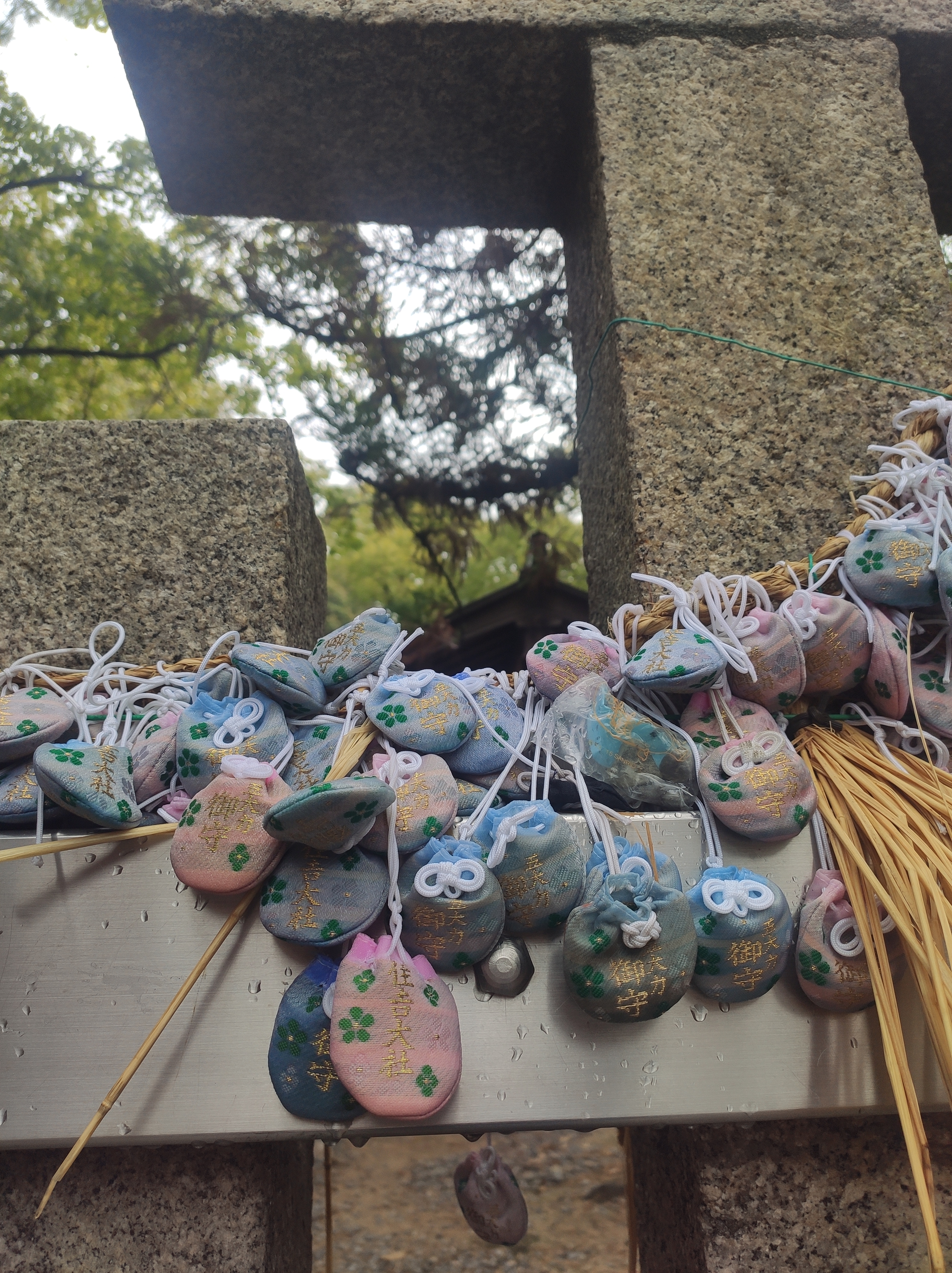


There is the Nankun-sha, where many Maneki neko cats sit to wish worshippers prosperity, money, and success; Godairiki, where you can collect stones with Go, Dai, Riki on them to have your prayers answered; ponds with turtles and where I saw my first ever real life kingfisher; tanekashi-sha where you can receive a divine blessing in conceiving children. There is a huge amount of meaning, symbolism and beauty in Sumiyoshi Taisha, and it was one of my favourite places I visited in Japan.
Shitennō-ji Temple
1 Chome-11-18 Shitennoji, Tennoji Ward, Osaka, 543-0051, Japan
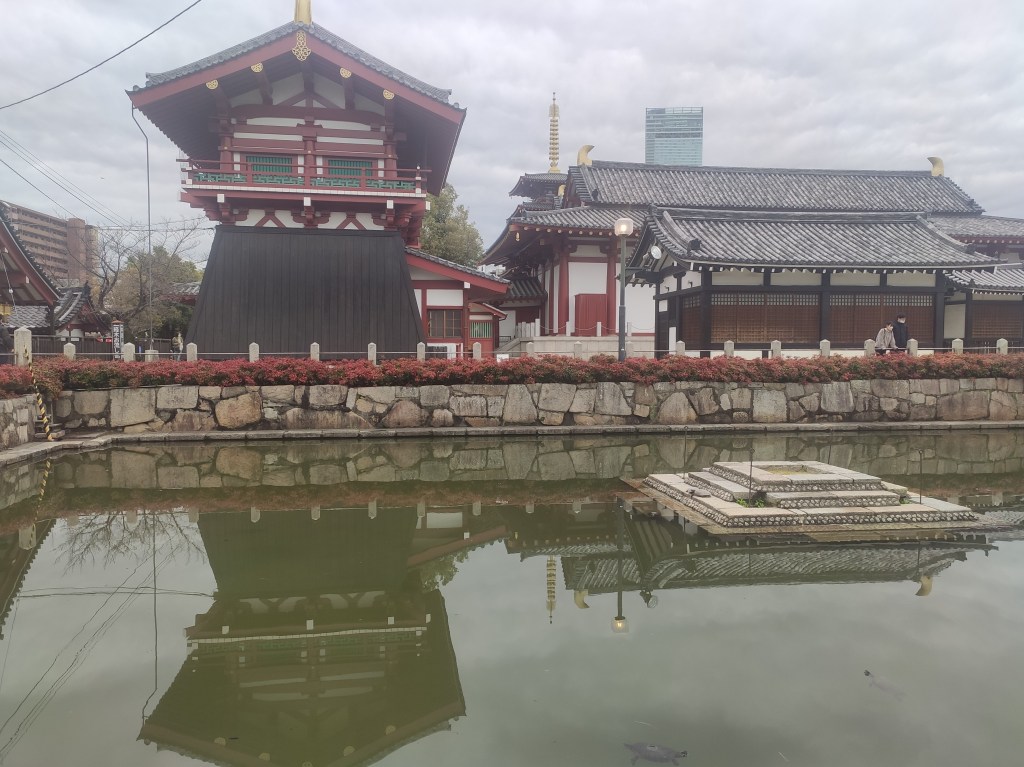
¥300 Inner Precinct
¥300 Garden
¥500 Treasure House
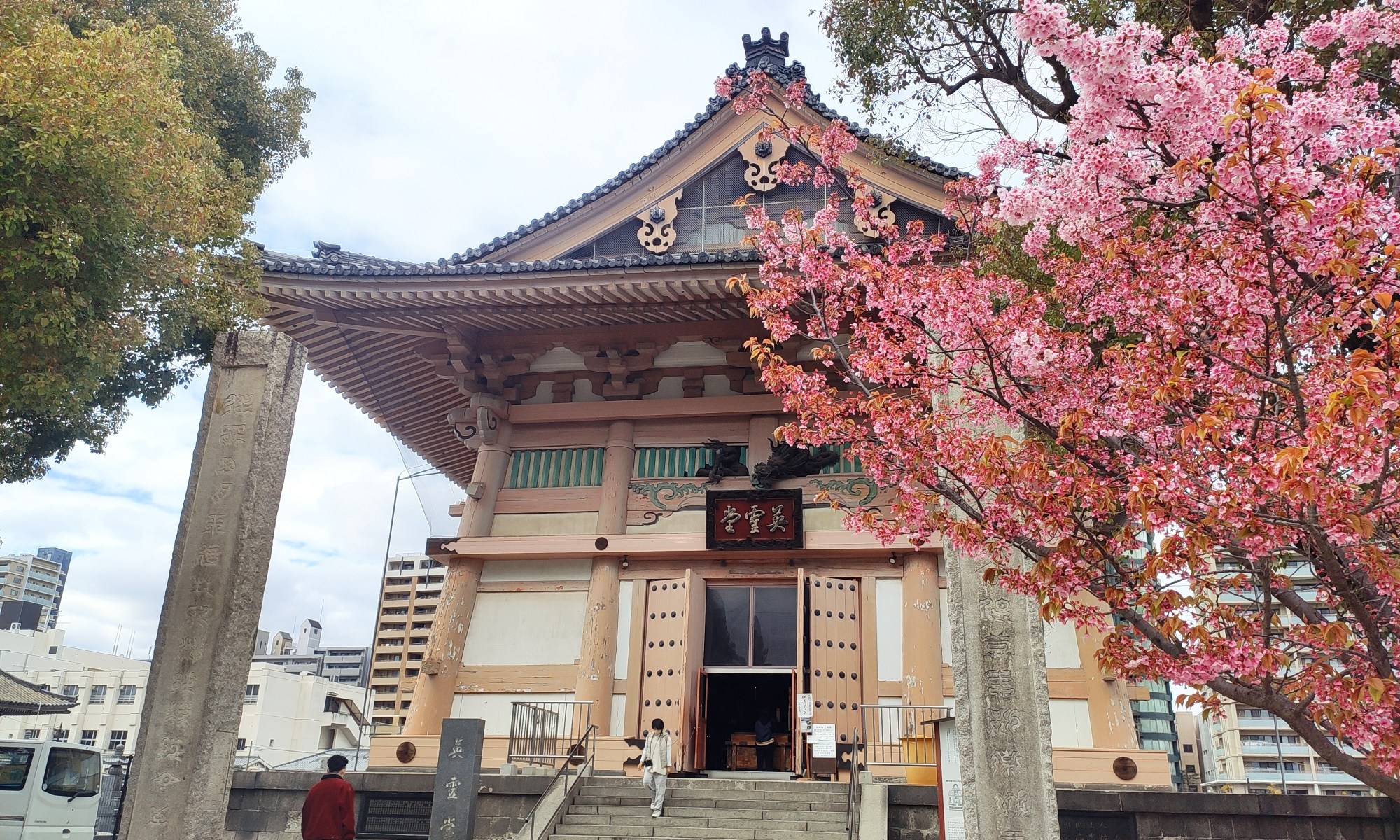
Founded in 593 Shitennō-ji is considered to be Japan’s first Buddhist temple. It was commissioned by Prince Shōtoku (574 – 622 AD) who was known for his Buddhist faith, supporting the introduction of Buddhism to Japan, and promoting Buddhism nationally. The temple buildings have been rebuilt and repaired over the centuries. It is a beautiful complex with shrines, halls, ponds.


At the Deva Gate, you are greeted by a blue and a red Niō – warriors – Naraen Kongō and Misshaku Kongō. Their mouths are in the form of the first and last letter of the Sanskrit alphabet, symbolising the birth and death of all things.
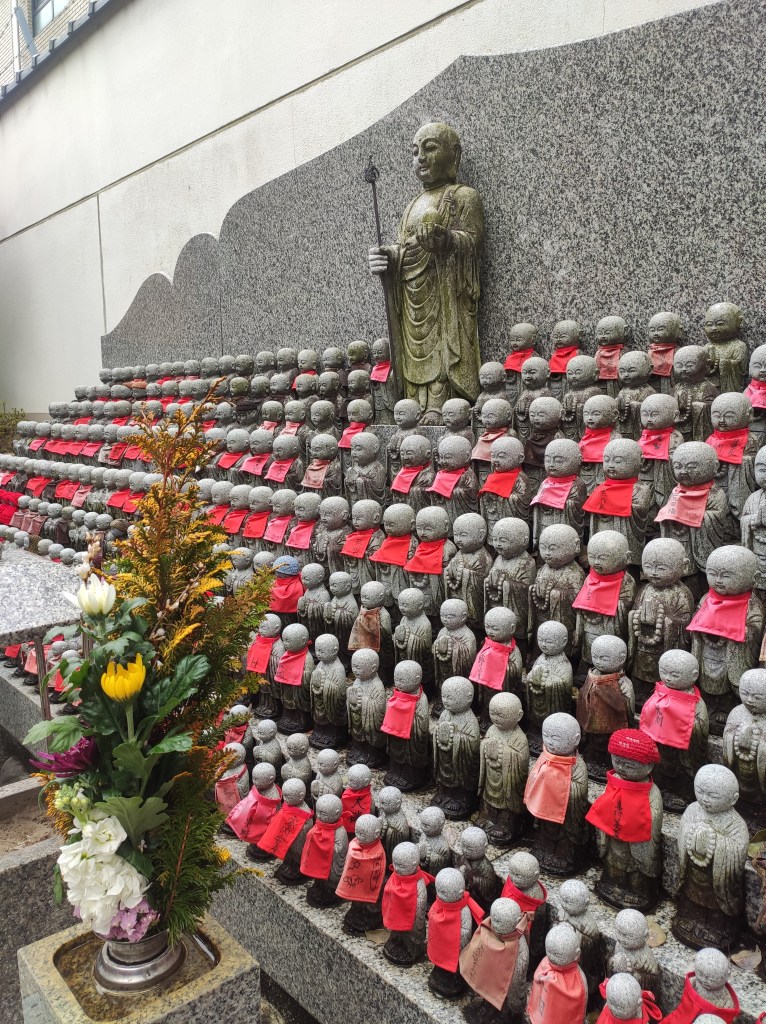
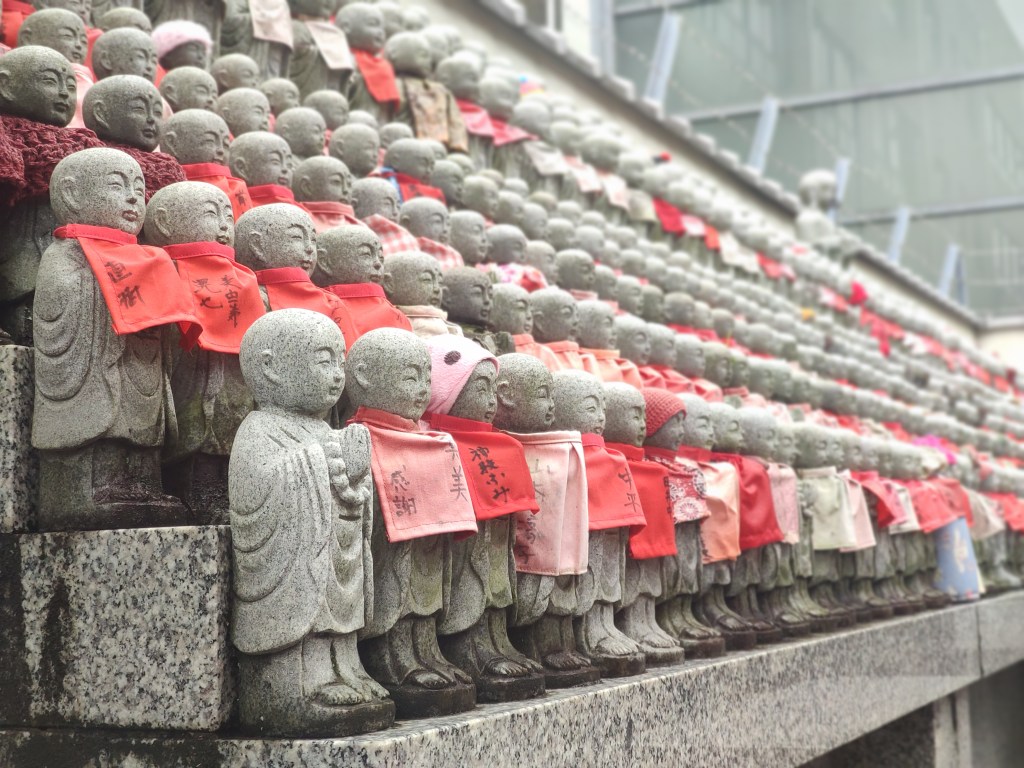
One of the main attractions for me, for an incredibly personal reason, was, that I wanted to visit the Jizō-san shrine. Jizō-san, also known as Kṣitigarbha, protects children, including the souls of children who have passed and unborn babies.


They are often seen with hand knitted red bibs and hats, red being to ward off evil. It was very moving to stand in and amongst the hundreds of statues and representations of O-Jizō-San, of obvious varying ages, and considering the devotion and offerings.
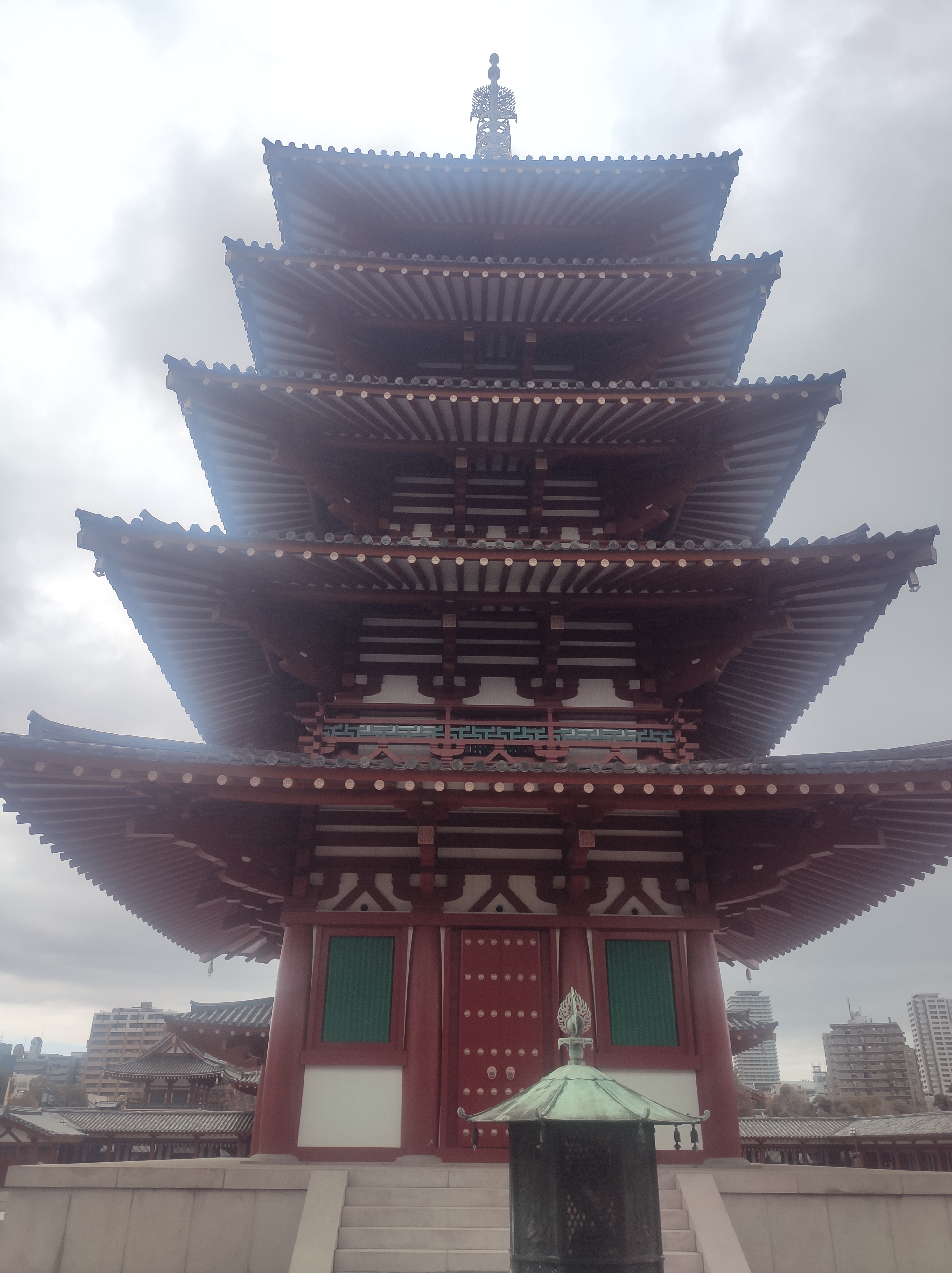

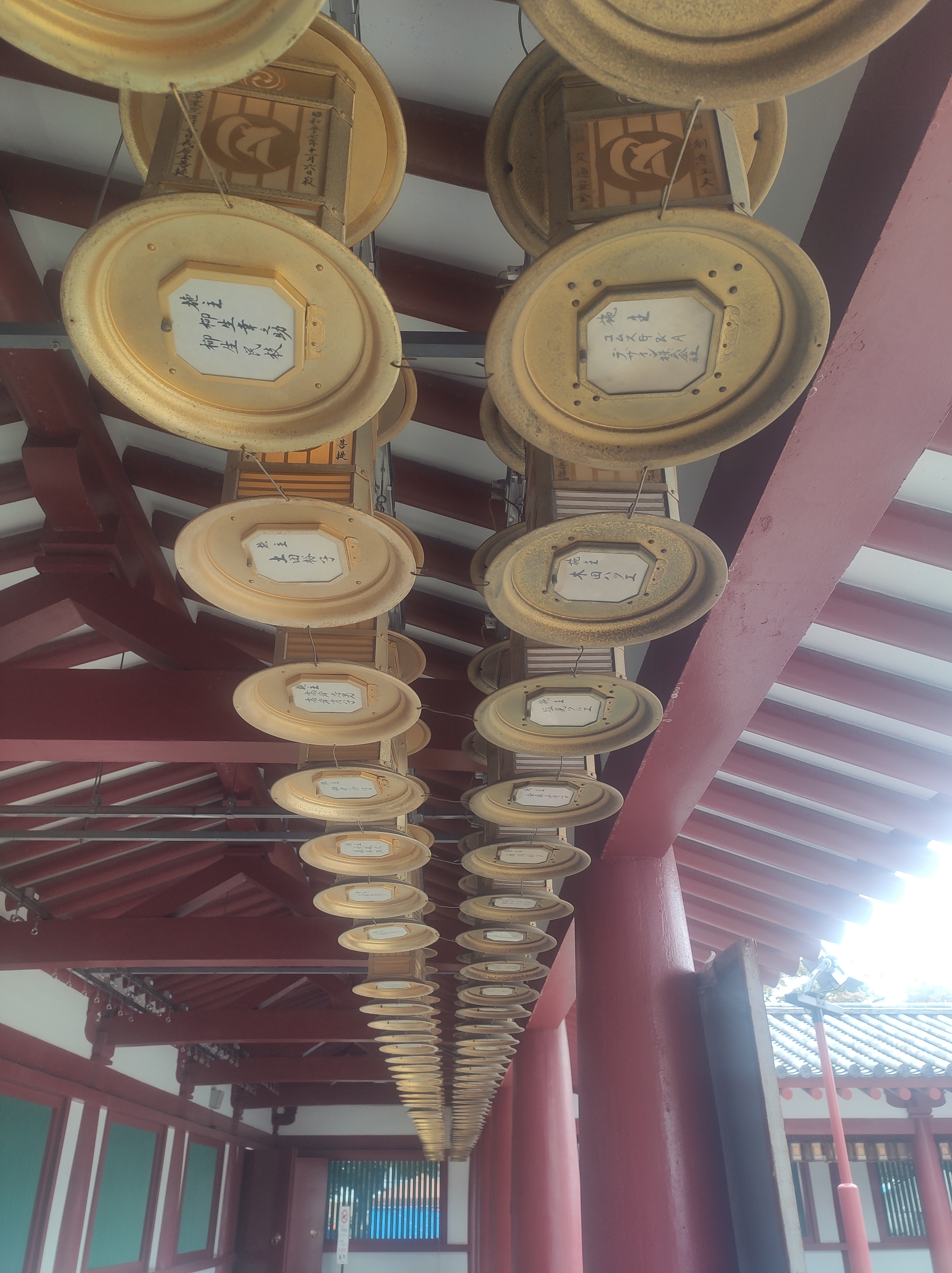

It was a great experience to wander around such heritage of the Shitennoji Temple and seeing the various buildings, and so many beautiful details of architecture and symbolism.
Follow The Greedy Herbivore on Instagram and Facebook to keep up with my latest blog posts, reviews and ramblings, or follow through WordPress to receive notifications of new posts direct to your inbox.
 The Greedy Herbivore