
20th – 25th March
Where We Stayed:
Hotel New Tohoku

Taito-ku, Higashiueno 3-14-2, Taito Ward, Tokyo, 110-0015, Japan
台東区東上野3-14-2, 台東区, 東京都
Approx €57 per night for a double room
Hotel New Tohoku is a situated a 4 minute walk from Ueno station, in a quiet street, and within easy walking distance of Ueno Park and the main shopping districts in Ueno, including Ameyoko.
The room was small and cosy. There was an en-suite, and robes and slippers provided, with laundry facilities too. There was also a small desk in the corner, with a kettle and green tea provided. It was really good value for the location and the staff were really friendly too.
Ueno Park
Ueno Park, Uenokoen, Taito City, Tokyo 110-0007, Japan

Ueno Park is easily accessible from Ueno Station – 5 minutes’ walk away with a signposted exit from the station. Ueno Park sits serenely amongst the surrounding modern skyscrapers, with a huge pond, shrine and picturesque cherry trees. It is one of Tokyo’s oldest parks, and opened the public in 1873, prior to that the park was owned by the Kaneiji Temple, before its fall in the Boshin Civil War.

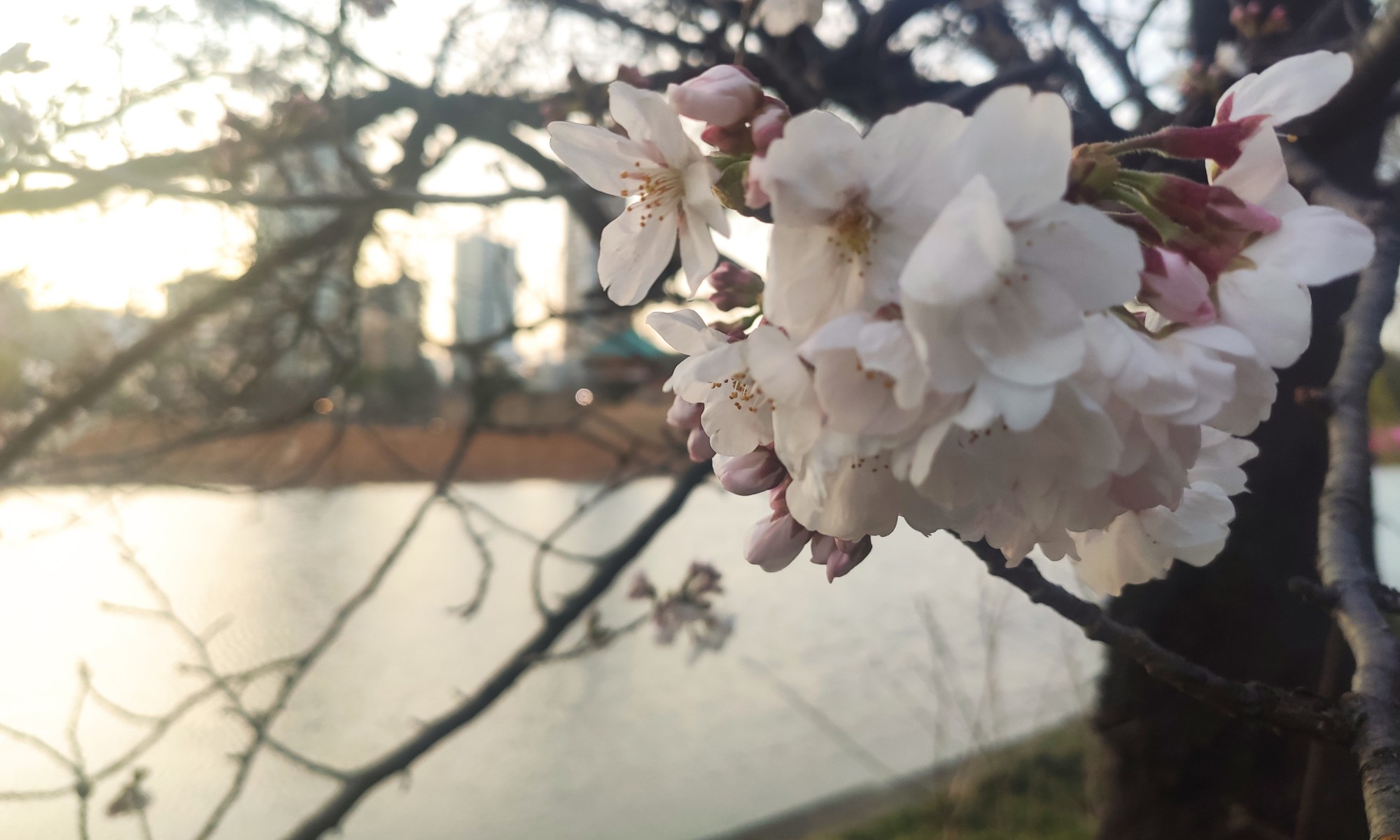
The huge pond – Shinobazu Pond, the home of iconic blooming lotus in summer, is vast. The lotus were in a stage of renewal when we visited, a reminder of many analogies of the lotus and their Buddhist symbolism. Also, a nudge that Japan has lots to see in all seasons. We were lucky as our spontaneous trip to Japan coincided with Sakura season.
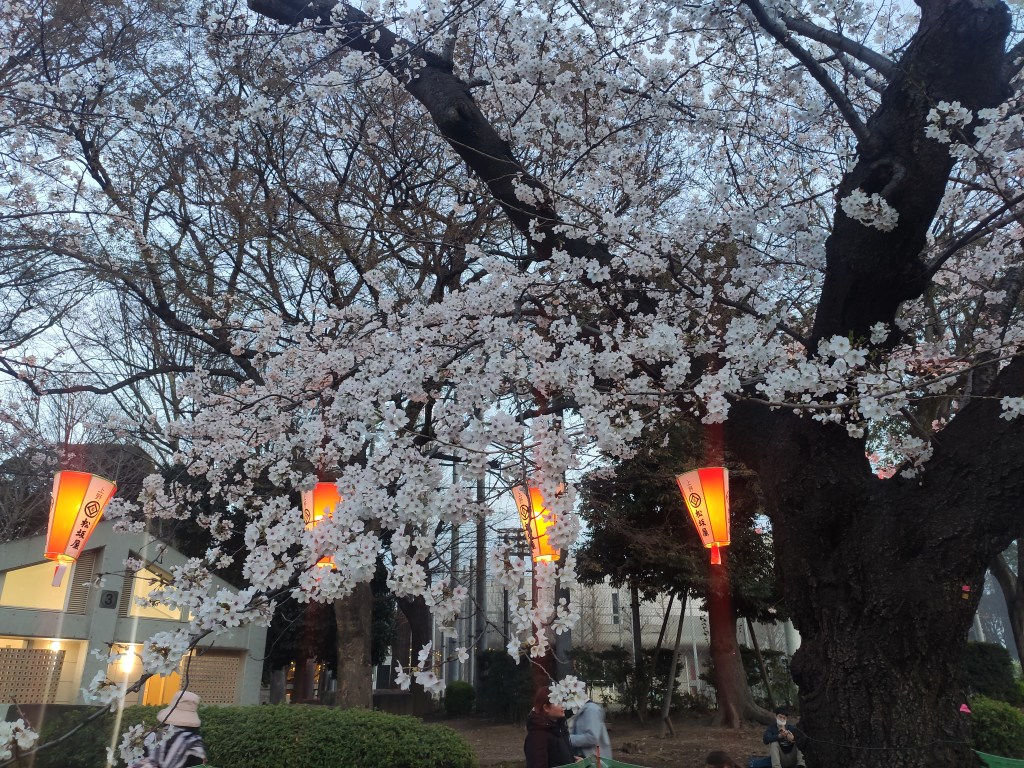
Gradually, through March we had seen in different areas the cherry blossoms starting to bloom. By the time we were in Tokyo, the trees in Ueno Park, strung up with lanterns in the dusky evening, was one of the most beautiful things I’ve ever seen. There were throngs of people and the park got busier as the evening wore on, but that didn’t take away from the experience.

We happened to be there on the Vernal Equinox (20th March, though this changes every year), which is a national holiday in Japan, so there were lots of people around and a celebration with food stalls and people making offerings in Shinobazu-no-ike Bentendo, the Buddhist temple on an island in the Shinobazu pond. The temple was part of the former Kaneiji complex, and is dedicated to Benzaiten, one of Japan’s 7 lucky Gods, Benzaiten, she is associated with water and things that flow, and is the only female of the 7.

There is so much more in the park, including several museums, another shrine, and a memorial to Saigo Takamori. There is also a zoo, which we, obviously, avoided. Lots to do here, but even a stroll around the park and the pond was stunning and I’m sure has left us with long last memories.

Ameyoko & Surrounds, Ueno
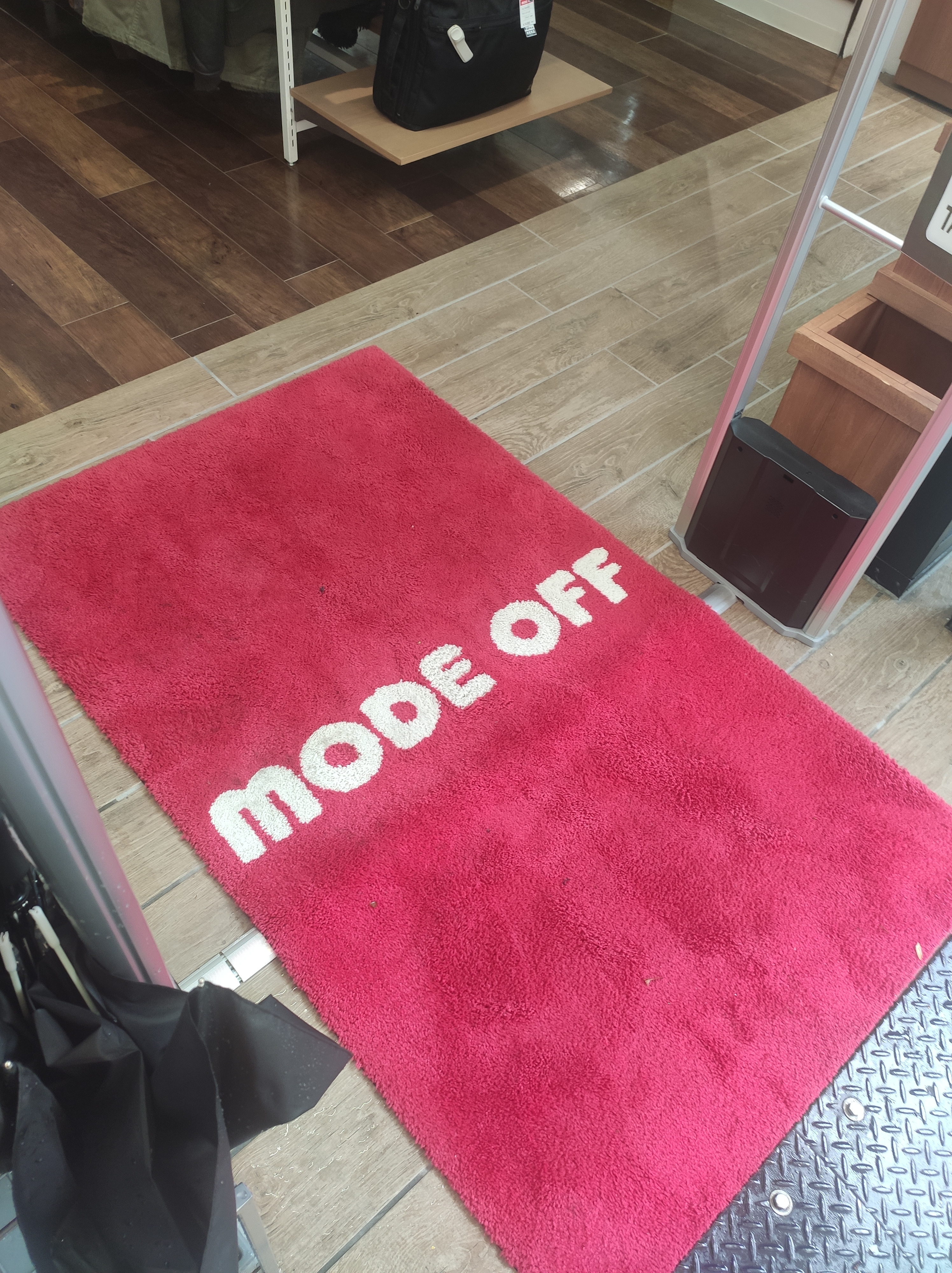
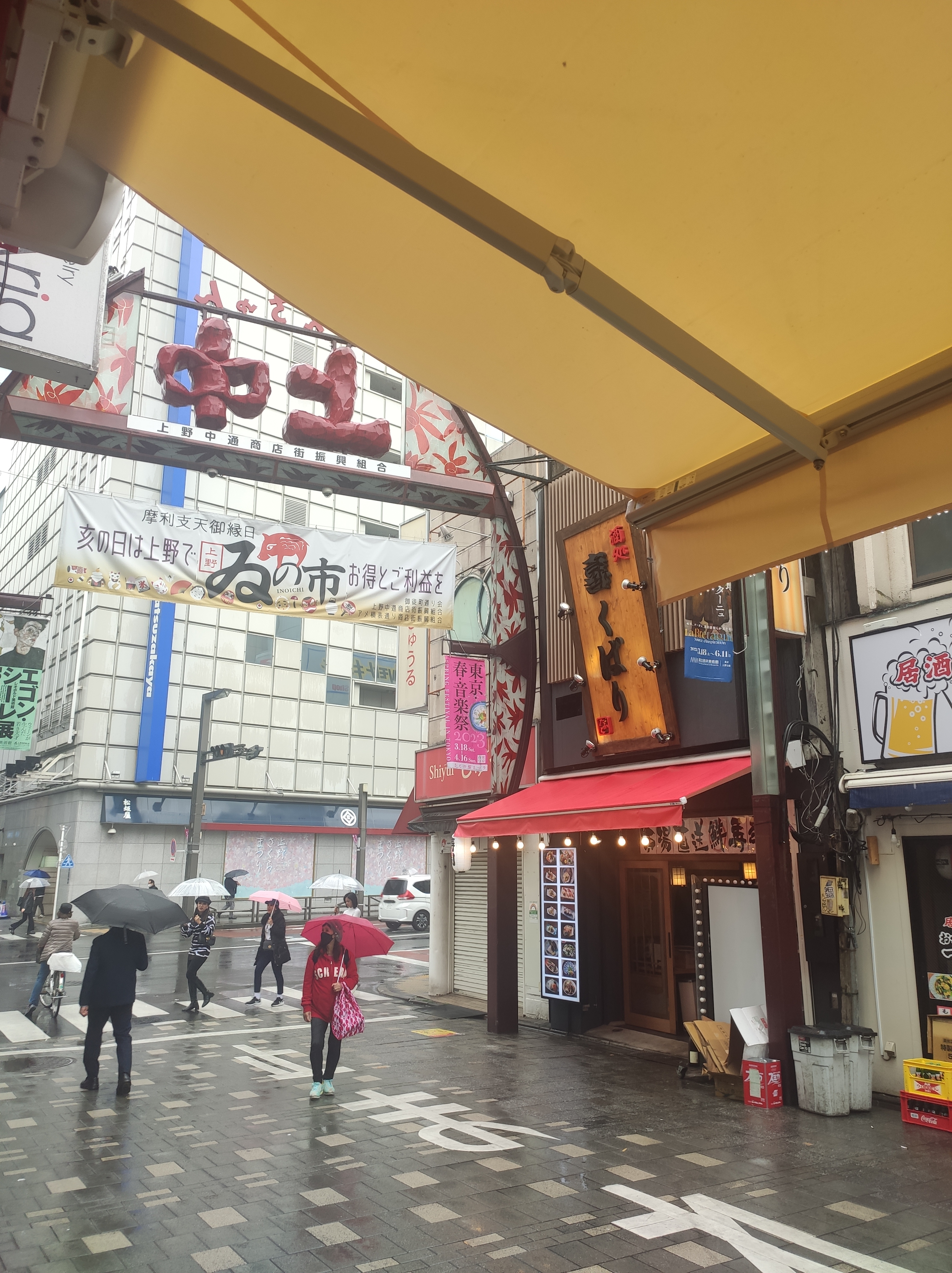
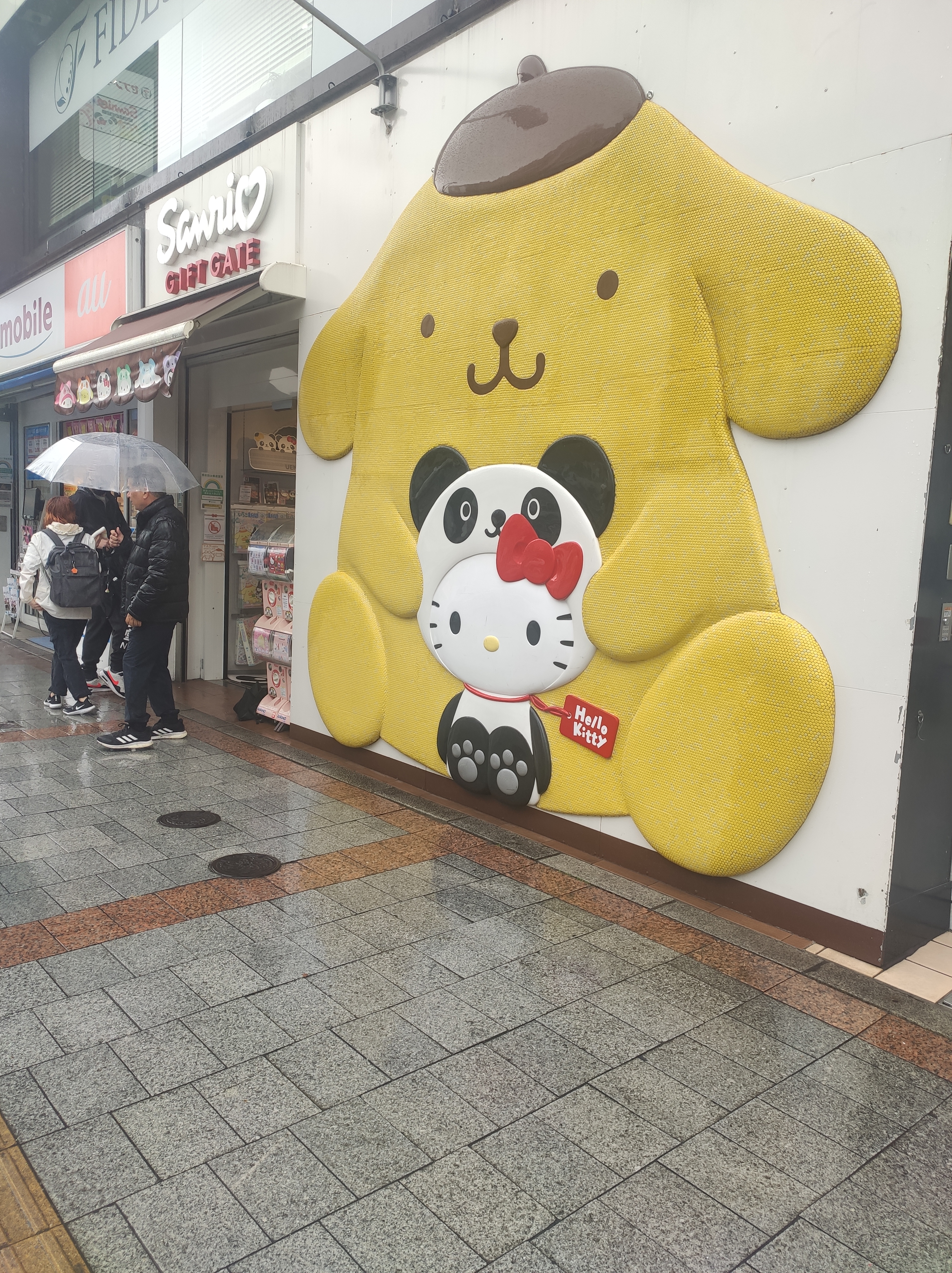
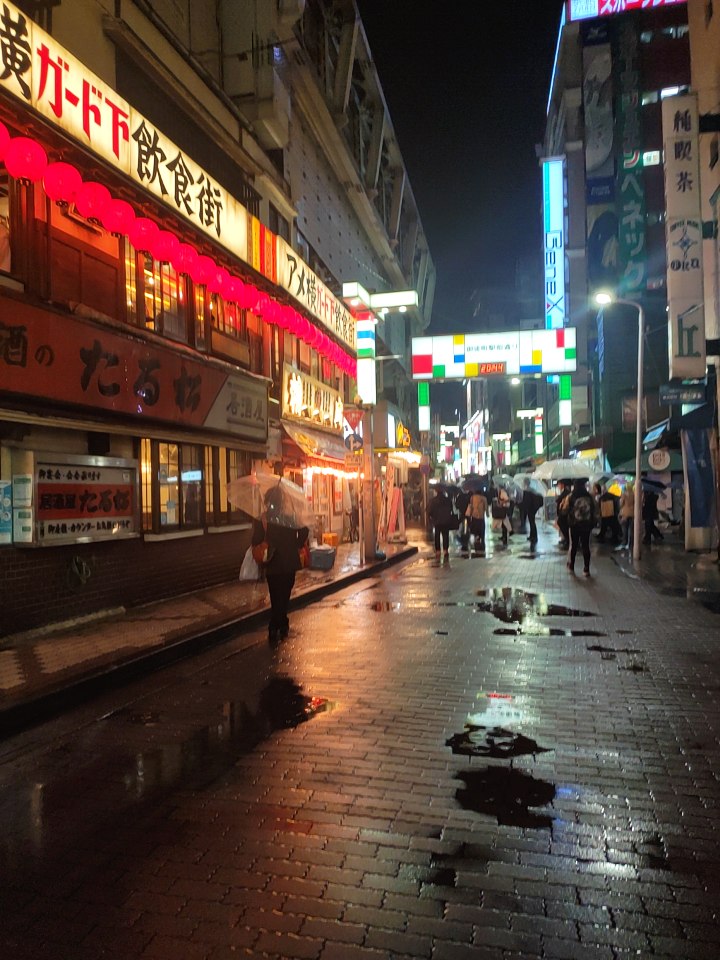
With an interesting history dating back to WWII, Ameyoko shopping district is packed full of interesting shops, including some great second hands shops. Our favourite was Mode Off, as well as tourist shops, and Americana shops. There are many, many different shops and here you can probably get just about everything – from food, to clothing, to shoes and electronics. Not too far away I also found a great Sanrio gift shop, perfect for gifts for my fabulous nieces.
Shibuya Crossing
Shibuya City, Tokyo, Japan

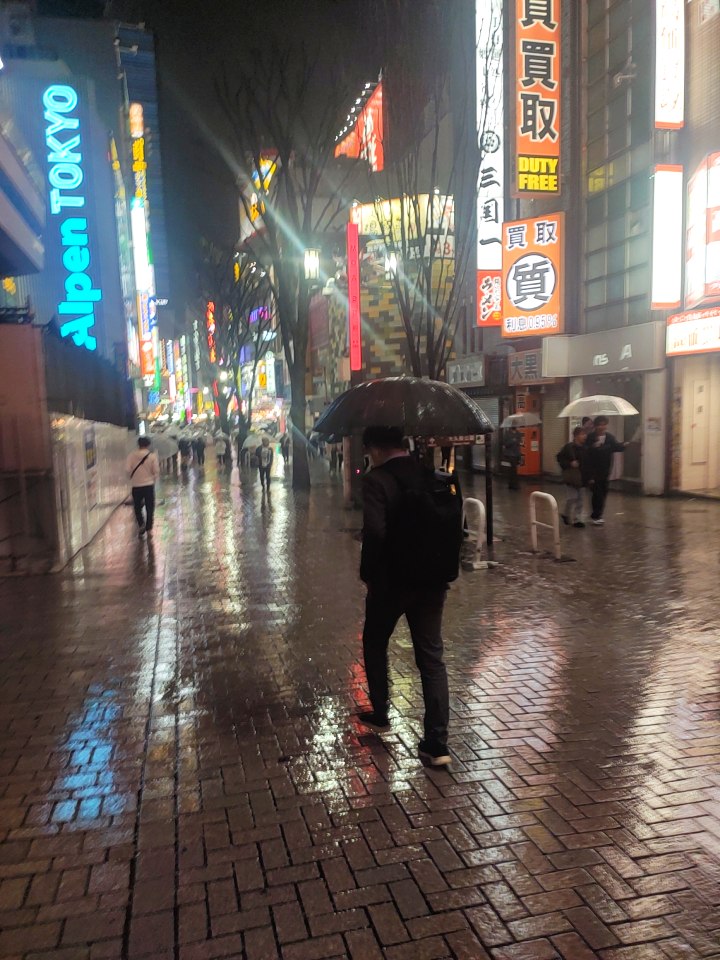
There aren’t many places I’d go and visit a pedestrian crossing, but Shibuya Crossing is iconic and known to be one of the world’s busiest. Known for its size and the huge amount of people crossing at once – at its busiest times it’s said that there are 1000 to 3000 people crossing at once (I get nervous when there’s more than 3 people crossing a street with me in Dublin). It is a lot of people! To create the atmosphere of the metropolis, the crossing is surrounded by huge buildings with many neon signs advertising all and sundry.

There are also two interesting sculptures. One is a statue of Hachikō, the Japanese Akita who would accompany his owner (Eizaburo Ueno) to Shibuya station each morning and meet him in the afternoon each evening. In 1925, Eizaburo died suddenly of a hemorrhage, never to return to Hachiko. For ten years Hachiko continued to walk to and from the station waiting for Eizaburo Ueno to return, despite being adopted by another family. Although a sad story, Hachiko’s tale symbolises loyalty and perseverance. The statue was erected in 1934.
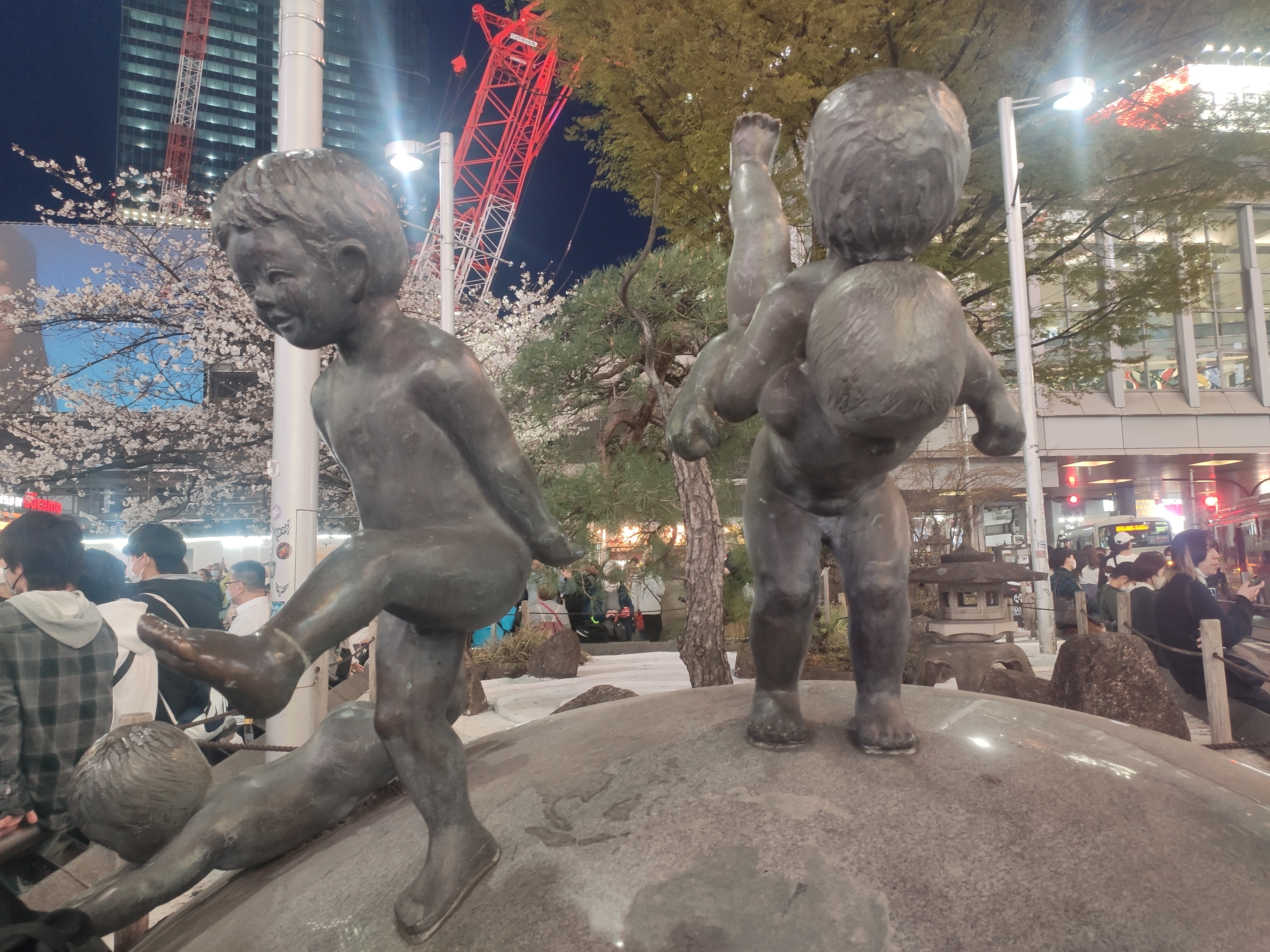
The other is an intriguing statue of children playing on a globe, which I cannot seem to find any information about. If anyone out there reading this knows anything about it, please let me know! Also in the area are many restaurants and shops, including my favourite sushi conveyor belt restaurant – Katsumidori Sushi.
Senso-ji

2 Chome-3-1 Asakusa, Taito City, Tokyo 111-0032, Japan
https://www.senso-ji.jp/english/
From the modern to the ancient, Senso-ji is imbued with history. From Ueno, we hopped on the Ginza metro line to Asakusa Station to visit this incredible temple complex. Senso-ji is known to be the oldest temple in Tokyo and was built in 645 AD. It is dedicated to the Bodhisattva Avalokitesvara, the Bodhisattva of compassion.
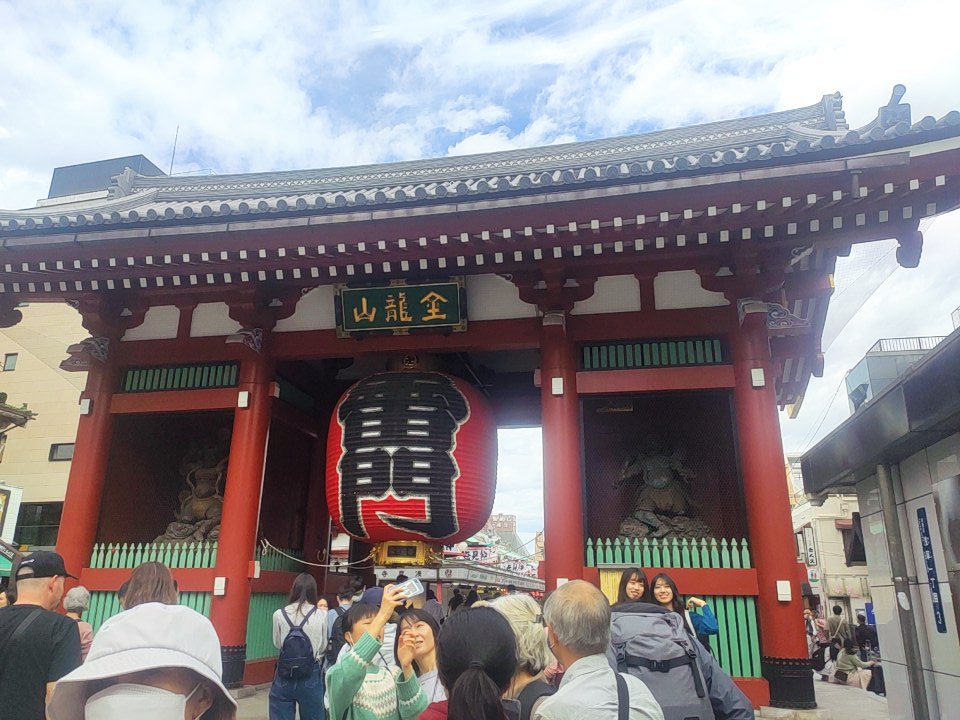
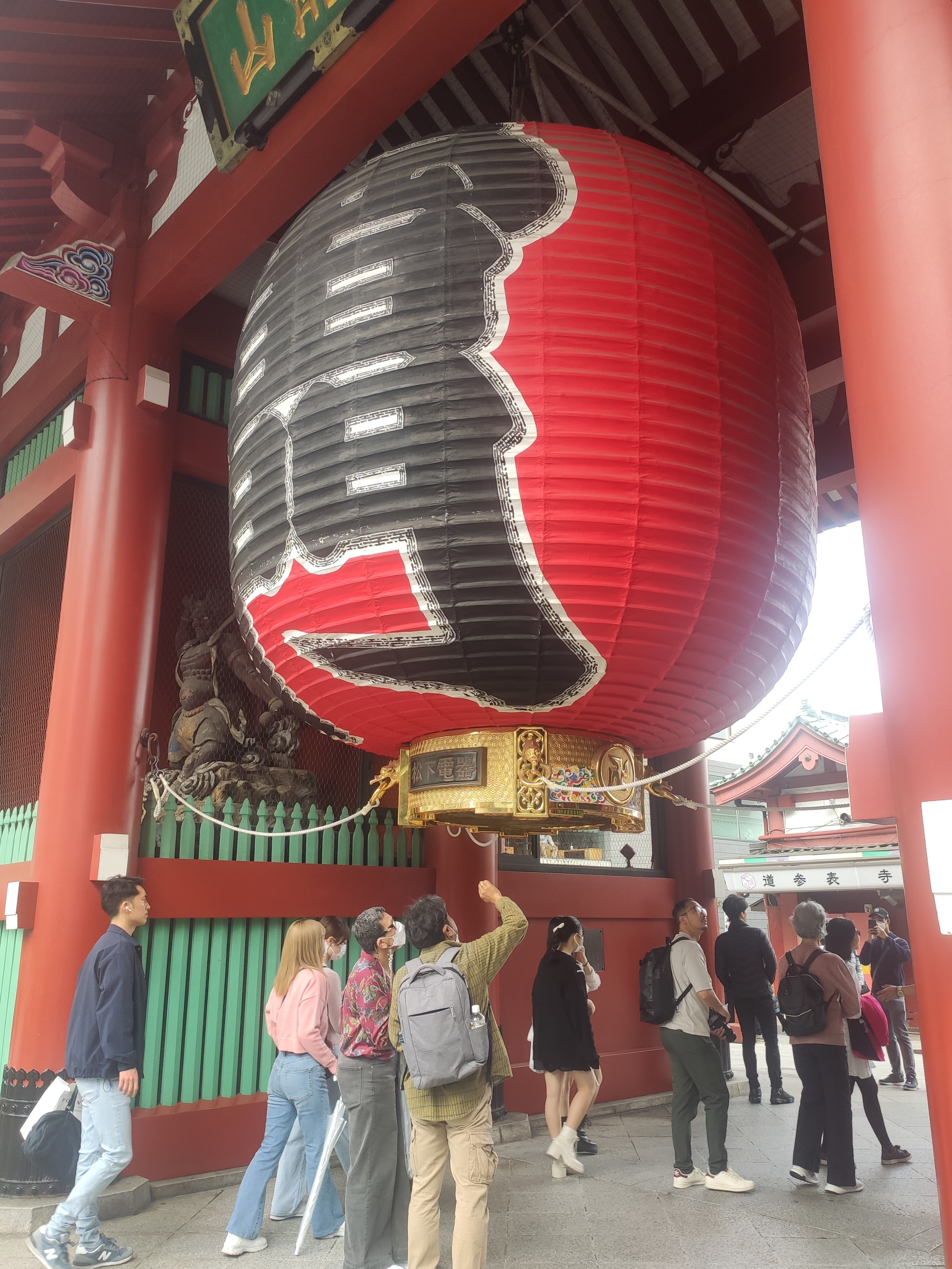
Upon arrival of the complex, you are greeted by the Kaminari-mon Gate, with a huge lantern flanked by the gods of thunder and wind who stand guard against natural disasters.

Stepping through this gate is brings you into the bustle and magic of Nakamise-dori Street. A pedestrianised street lined with shops and stalls, with souvenirs and traditional Japanese goods and sweets. An event in itself and it took us quite some time to get down the street, it was absolutely heaving. With cherry blossom boughs overhead, it was nice to take the time.

Eventually we made it down to the Hozo-mon or Nio-mon Gate, another huge gateway with a huge lantern, this one originally built in 942 AD, with rebuilding happening in 1649 and 1964. Here at each side are the traditional warrior kings known as ‘Niō’, adding protection to the temple.
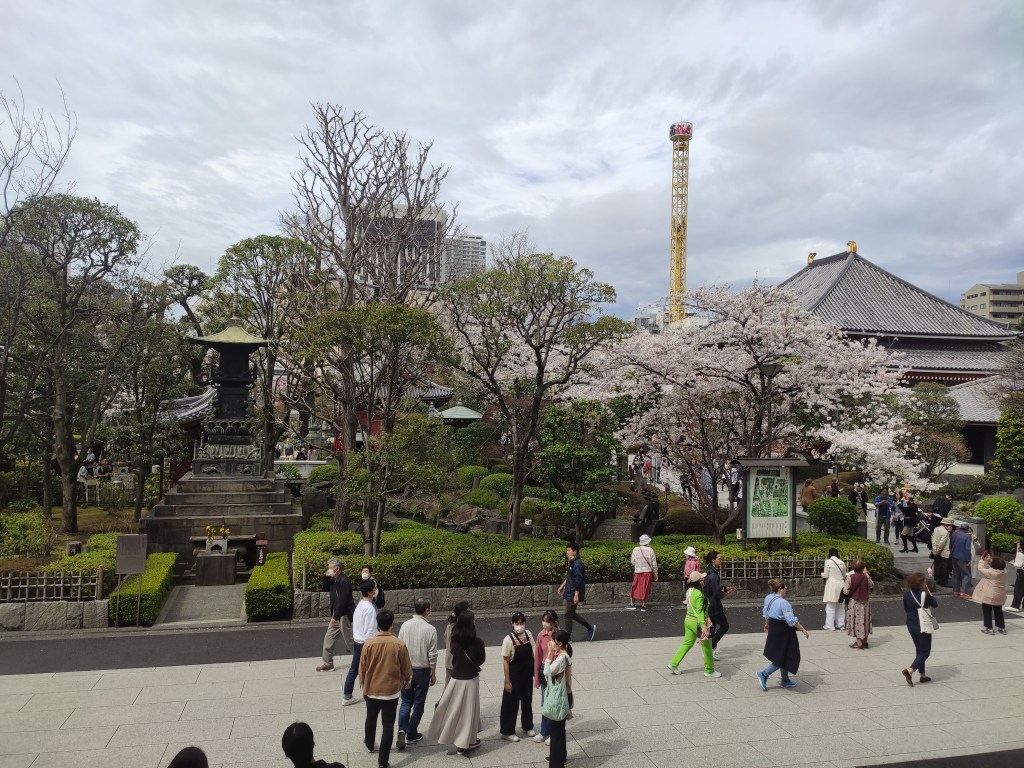
The closer to the temple one gets, the less busy and more peaceful the surrounds, with a beautiful garden with cherry blossom trees, ponds, and many symbolic statues around the beautiful grounds.

The Main Hall was destroyed in the Great Tokyo Air Raid in 1945 and rebuilt in 1958. Its steep roof is unique, and the hall holds the Boddhisattva Kannon, the image of Avalokitesvara in a miniature temple. Offerings can be made in the outer sanctum and the top of the stone steps.

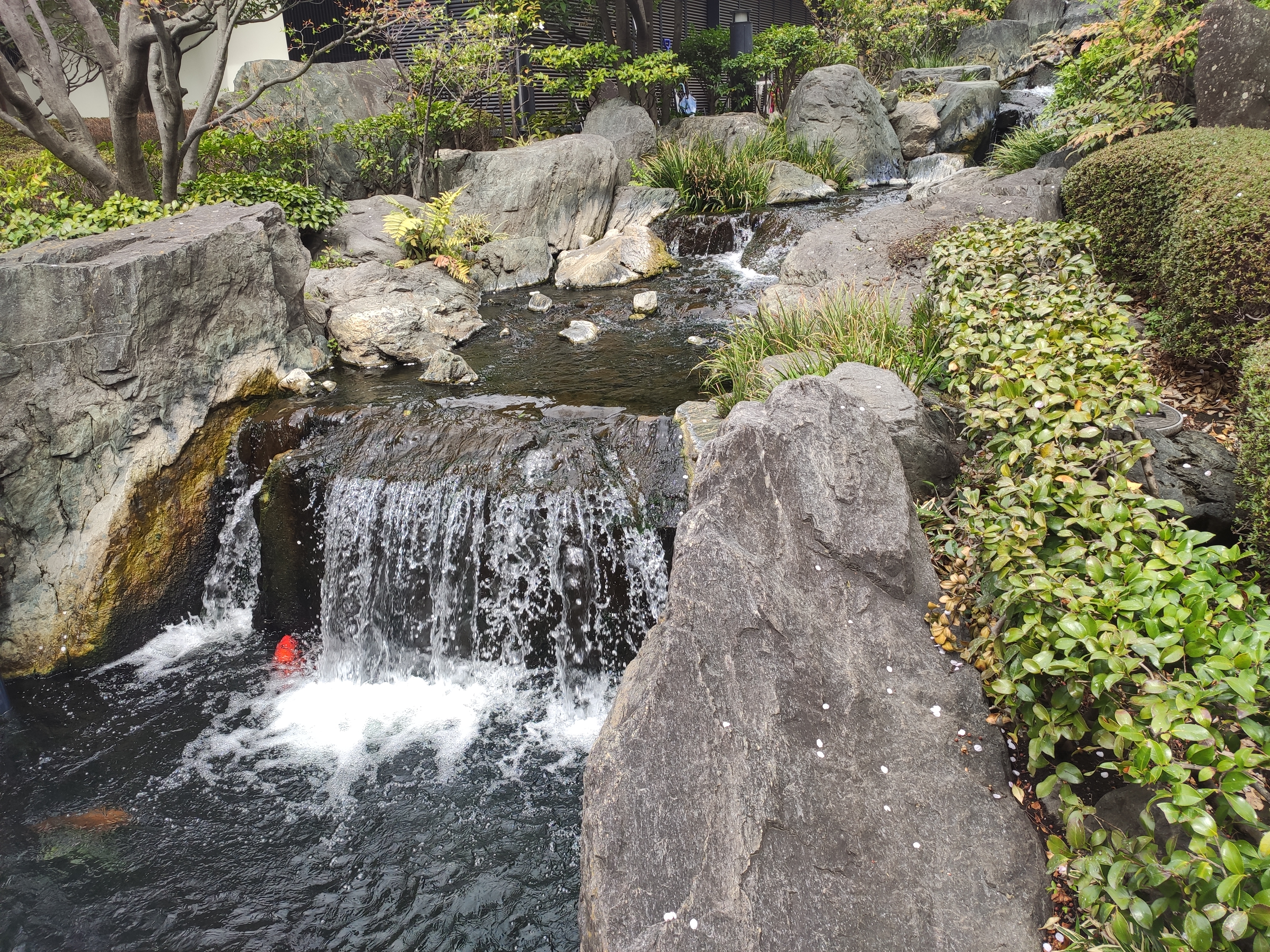
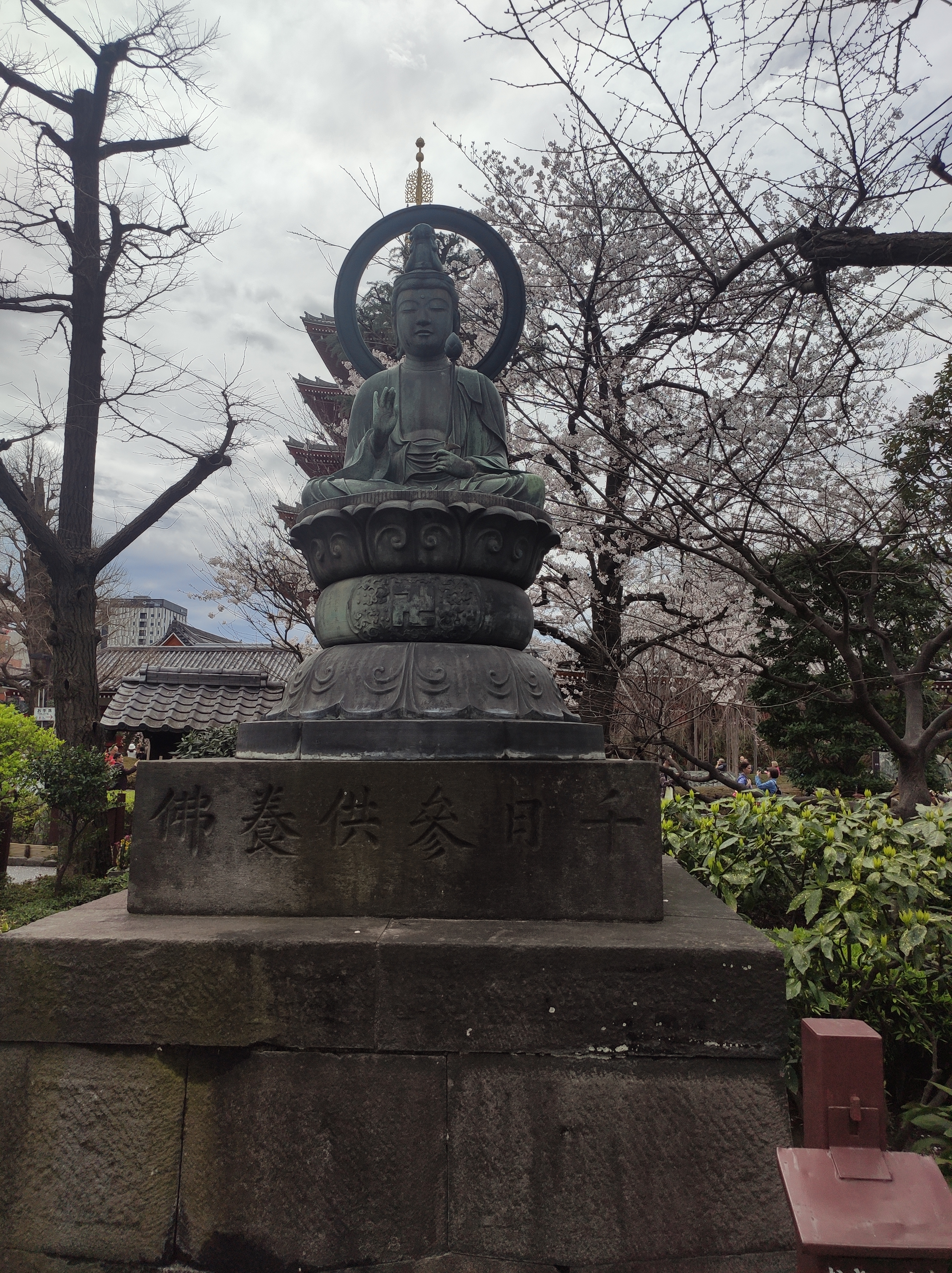

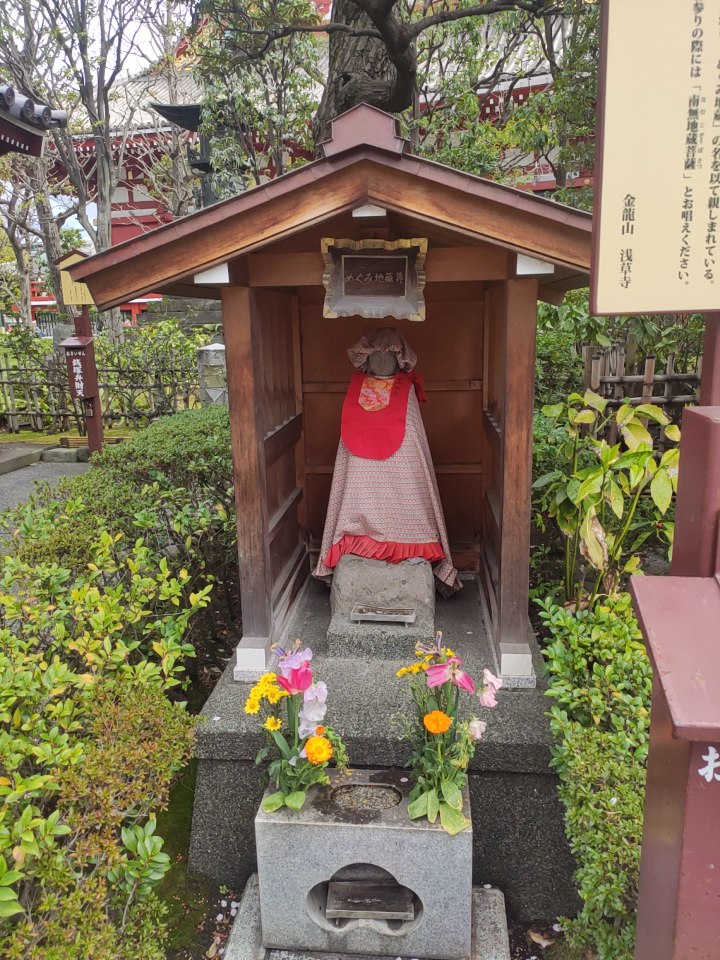
This bustling historic temple complex, imbued with history detailed on its official website, is fascinating and a feast for the eyes and the soul, and a beautiful site of contemplation.
Follow The Greedy Herbivore on Instagram and Facebook to keep up with my latest blog posts, reviews and ramblings, or follow through WordPress to receive notifications of new posts direct to your inbox.
 The Greedy Herbivore
Gorgeous photos! It’s always been my dream to catch the cherry blossoms.
LikeLike
It was truly magical, highly recommend the experience 🌸
LikeLike